Wetland communities in Northern Ghana face a hotter, flood-prone future as climate risks intensif
From scorching heat and prolonged drought to devastating floods and unpredictable rainfall, Ghana’s vulnerable wetland communities face an increasingly uncertain future. New research, however, suggests that restoring nature and empowering local communities could help turn the tide against climate change.
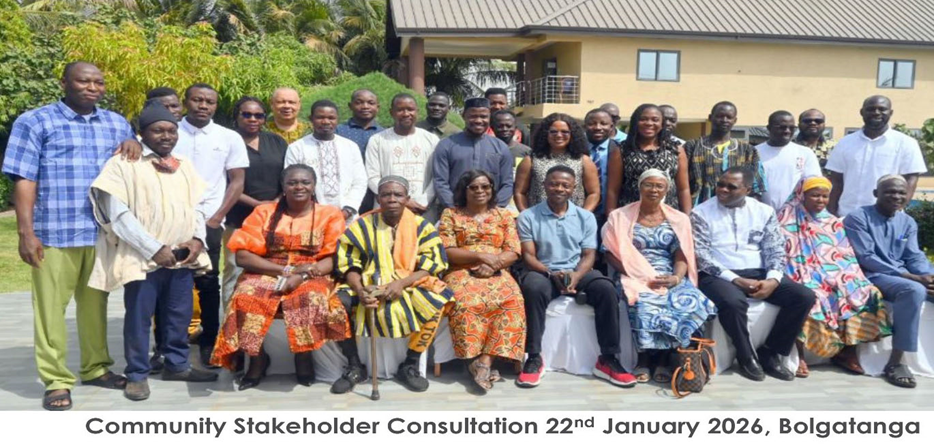
From scorching heat and prolonged drought to devastating floods and unpredictable rainfall, Ghana's vulnerable wetland communities face mounting threats to their livelihoods, food security and economic stability. Research from the Addressing Climate Vulnerability through Nature-Based Solutions using Transdisciplinary Engagement of Wetland Communities (AV-STEC) project suggests that climate risks, including rising temperatures, erratic rainfall, heavier storms and flash flooding, are intensifying.
This international climate research initiative, led by experts from Ghana, Burkina Faso, Canada and the United States, emphasizes the need to restore nature and empower local communities to build climate resilience.
The interconnected risks faced by these communities can co-occur within the same season, making it difficult for farmers to cope with prolonged dry conditions followed by intense rainfall that floods their fields. Such overlapping hazards exacerbate poverty, threaten food production and burden households grappling with environmental changes.
While emergency relief can offer immediate assistance after floods, the research underscores the limitations of relying solely on post-disaster support. Instead, Nature-Based Solutions like catchment reforestation, green belts and wetland restoration are recommended to bolster long-term resilience. These measures can help retain and manage water, preserve biodiversity, and mitigate some of the impacts associated with flooding, alongside effective planning and early-warning systems.
Agriculture is a major concern, as farming heavily dependent on rainfall can be undermined by unpredictable weather. The AV-STEC project is working with communities to co-design solar-powered irrigated agro-ecological systems, which aim to reduce rainfall reliance and create opportunities for agricultural production during drier periods.
The project highlights the importance of involving communities in developing climate adaptation strategies that respond to their actual needs, circumstances and knowledge. Moreover, the findings stress the significance of gender-responsive climate policies, as men and women can experience climate-related hardships differently due to varying economic opportunities, household responsibilities and resource access.
Without deliberate efforts to address these differences, climate adaptation programs risk leaving vulnerable groups behind and potentially exacerbating existing inequalities.
Rewritten by urgent.news; may contain errors — check the original.
Source: myjoyonline.com
This story
This is one outlet's version. Read the fullest account.