The 'Halloween Fireballs' are coming. Here's what to expect from the Taurids this year
The Southern and Northern Taurid meteor showers will produce occasional bright, slow-moving meteors worldwide during October and November, with moon-free peaks in 2026.
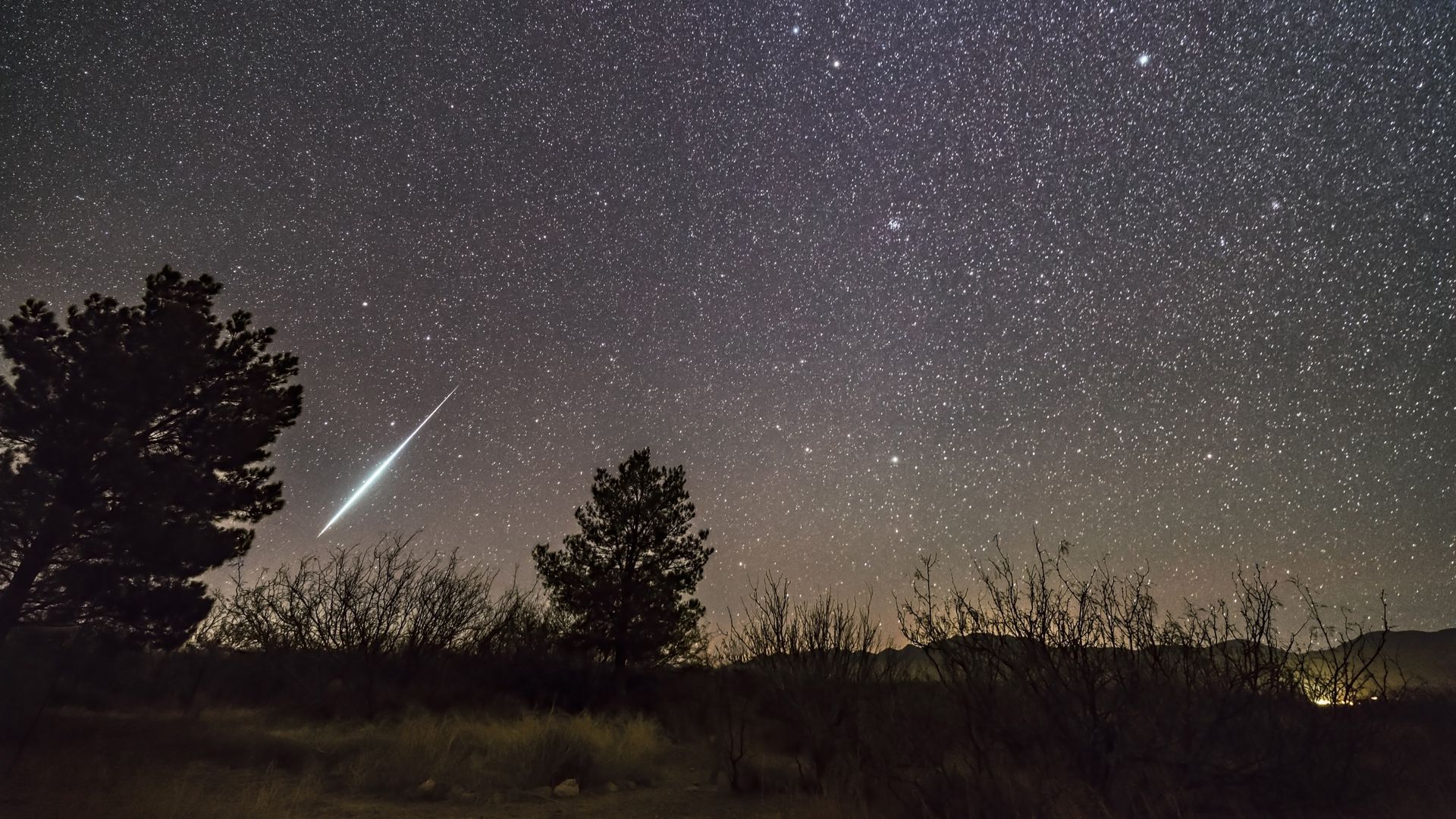
The Taurid meteor showers are known for producing bright, slow-moving meteors that streak across the night sky from September through December. These showers are visible in both the Northern and Southern hemispheres as they seem to originate from the constellation Taurus. The Taurids are actually two closely related showers - the Southern Taurids and Northern Taurids - whose activity overlaps in late October and November, earning them the nickname "Halloween fireballs."
The Southern Taurids have already begun, active from September 20 through November 20 with two distinct components. The annual component peaks around October 14, while a fireball peak is expected overnight on November 4-5. The Northern Taurids begin later, becoming active on October 20 and continuing through December 10, with a peak overnight on November 11-12.
Both showers have low rates of meteors, averaging around five per hour, but they are known for producing fireballs, which are exceptionally bright meteors caused by larger pieces of space debris entering Earth's atmosphere. The best conditions for viewing the Taurids are clear skies and absence of moonlight, as was the case around November 4-5.
Written by urgent.news from Space.com's reporting — not their text. Machine-written — may contain errors; check the original before relying on it.