US turns to low-cost Blackbeard hypersonic missiles to overwhelm Chinese defences
The US Navy aims to field a relatively low-cost hypersonic missile on its carrier-based fighters, a weapon that could pose a new challenge to the air defences protecting Chinese warships and coastal military installations, experts said. California-based defence company Castelion’s Blackbeard is designed to fly at more than five times the speed of sound and strike ships and land targets. Unlike…
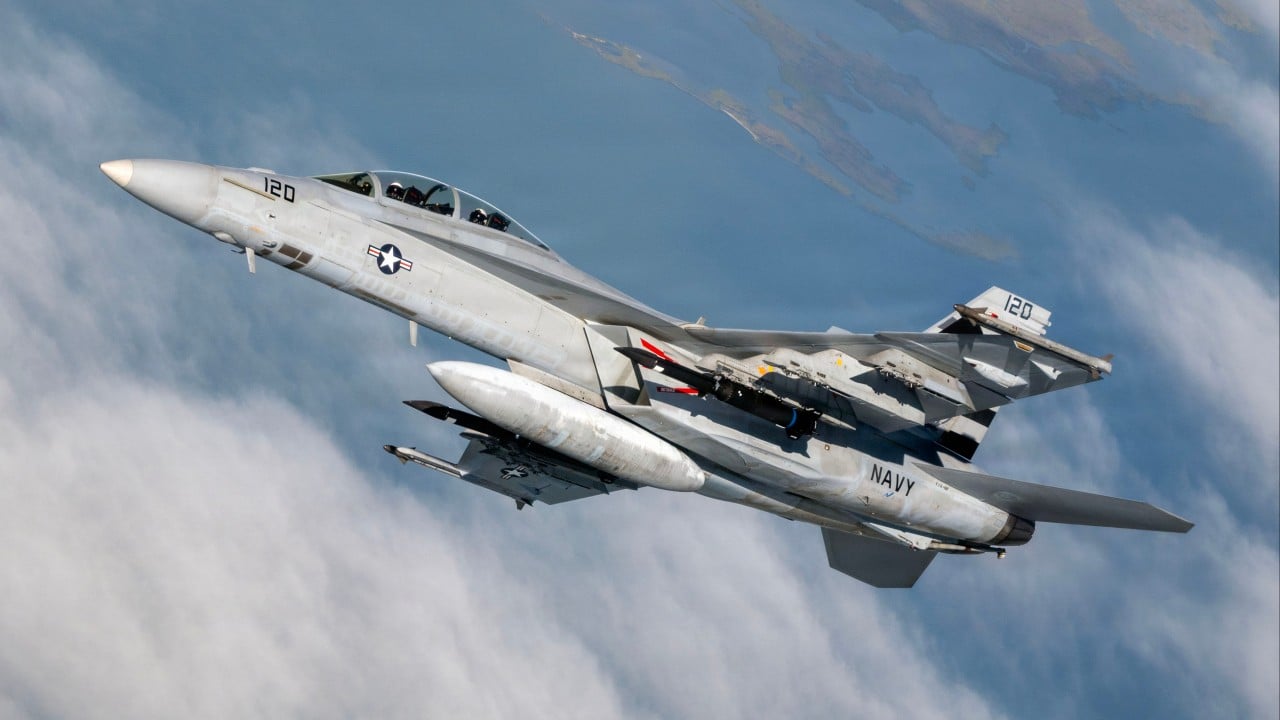
The US Navy is considering deploying a cost-effective hypersonic missile, the Blackbeard, from its carrier-based fighters. This weapon, developed by California-based Castelion, can fly at over five times the speed of sound and targets ships or land-based installations. The Pentagon has authorized a procurement of over 12,000 Blackbeard missiles over five years, with an estimated cost of about $385,000 per unit in the 2028-31 financial years.
This is significantly lower than the cost of Lockheed Martin's Long-Range Anti-Ship Missile (LRASM), which is estimated at around $3.25 million per unit. The Blackbeard's lower cost could enable the US to stockpile larger quantities, enabling repeated attacks on Chinese warships and forcing Chinese forces to expend more interceptors.
The missile's potential to threaten Chinese coastal missile batteries and air-defense systems remains uncertain, as experts debate whether carrier-based aircraft can reach these targets. The US Navy has placed an initial order for 50 pre-production missiles and is seeking early operational capability this year, though budget projections and a Castelion announcement suggest a 2027 launch.
The push for larger inventories comes amid concerns about the rapid depletion of long-range precision weapons in a conflict involving Taiwan. In war games, US forces exhausted their simulated LRASM stocks within the first week of a hypothetical attack on Taiwan. Meanwhile, Chinese military researchers have considered countermeasures, including attacking US forces before they launch weapons, jamming satellite navigation signals, and coordinating drones and air-defense systems. However, the effectiveness of these countermeasures remains unclear.
Written by urgent.news from South China Morning Post's reporting — not their text. Machine-written — may contain errors; check the original before relying on it.
This story
This is one outlet's version. Read the fullest account.