Trump’s Russia diesel deal sparks bipartisan backlash: Why the move is under fire
Trump’s move to ease sanctions on Russian diesel imports to curb soaring US fuel prices has triggered bipartisan backlash, raising questions over Washington’s efforts to pressure Moscow over the Ukraine war and whether the deal will offer meaningful relief to American consumers.
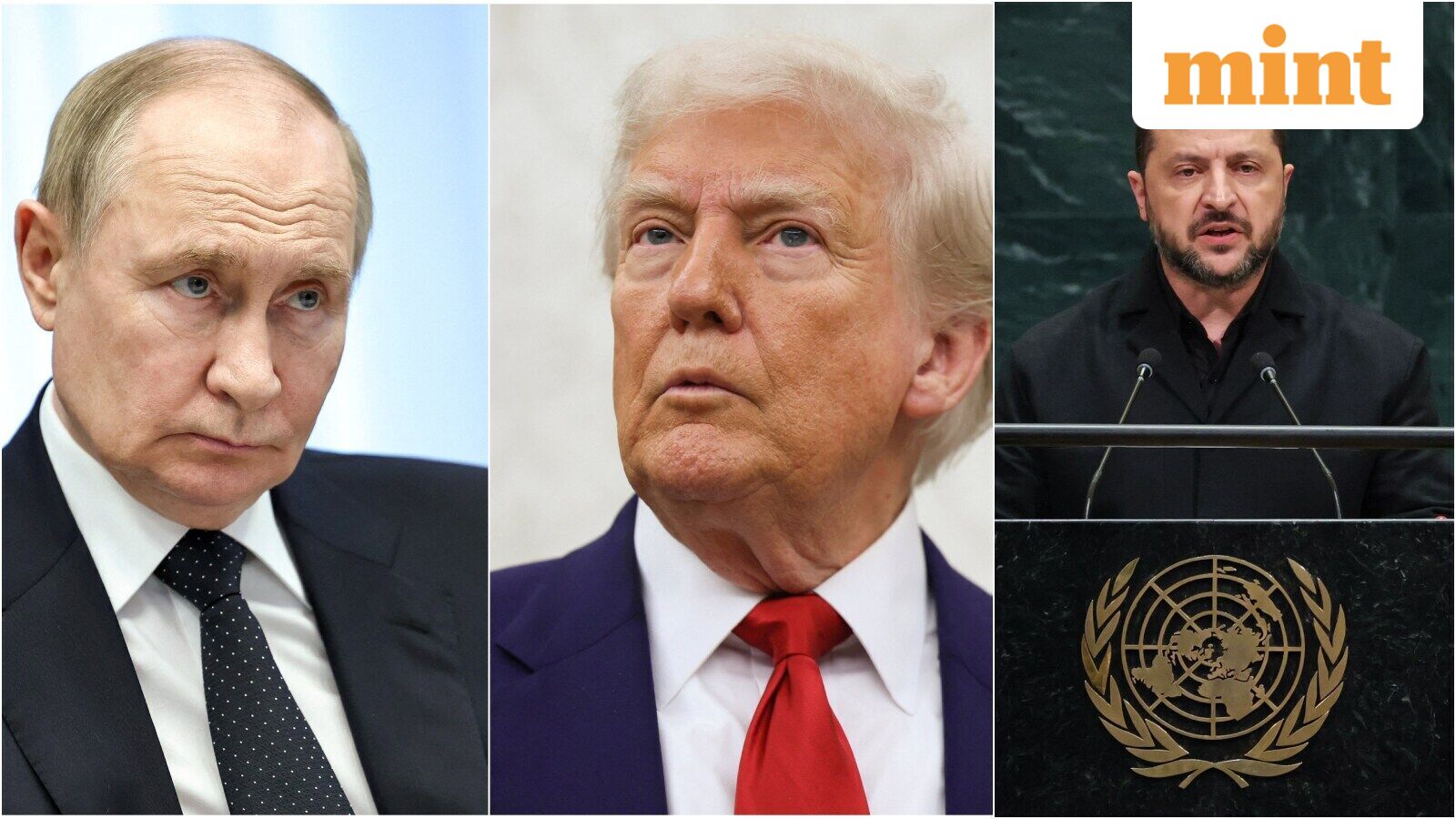
U.S. President Donald Trump's decision to ease sanctions on Russian diesel imports to combat rising fuel prices has faced criticism from both Republican and Democratic lawmakers. The move, backed by a conversation between Trump and Russian President Vladimir Putin, aims to bolster fuel availability amid global disruptions. However, it has drawn objections from Ukraine's President Volodymyr Zelenskyy and lawmakers who argue that increased Russian energy revenues could sustain the war effort.
The controversy unfolds as U.S. fuel prices surge, influenced by disruptions related to the Iran war, energy infrastructure attacks, and tighter supplies of refined petroleum products. Trump defended the move on social media, emphasizing that the European Union paid Russia 250 billion dollars for energy. The situation highlights the tension between immediate domestic economic goals and the administration's long-term strategy of limiting Russian revenues in response to its invasion of Ukraine.
Written by urgent.news from Live Mint's reporting — not their text. Machine-written — may contain errors; check the original before relying on it.