The Real Footprint of Trump’s Data Center Boom
What the sprawling buildout means for energy, water, and land.
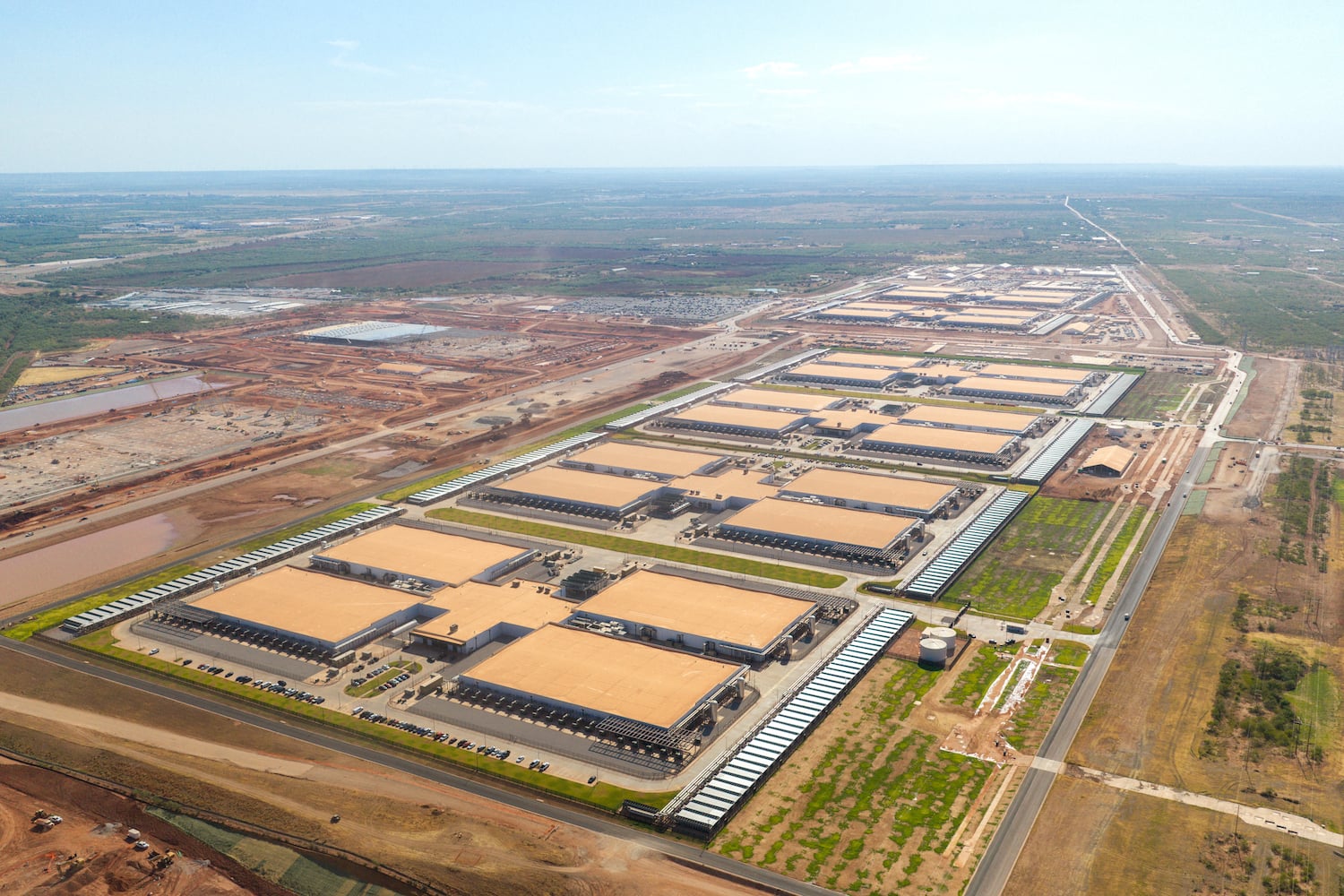
The controversy surrounding President Donald Trump's data center expansion is causing unrest among American communities as they prepare for the midterm elections. Approximately two-thirds of Americans oppose the construction of data centers in their neighborhoods, leading to protests and calls for moratoriums in at least 15 states.
Data centers, particularly the large-scale "hyperscale" facilities used by tech giants like Amazon, Microsoft, and Google, consume significant amounts of water, electricity, and land, raising concerns about energy bills and environmental impacts.
A recent report by Pew Research Center indicates that there are now over 1,500 data centers under development and 3,000 already operating in the United States. Trump has been a strong advocate for data centers, claiming that they are essential for the country's success and prosperity. According to Lawrence Berkeley National Laboratory, data centers currently account for 4.7 percent of total U.S. electricity consumption, which is expected to rise to nearly 12 percent by 2030 and potentially become one-fifth of U.S. electricity consumption by 2035.
The rapid growth of data centers is primarily concentrated in specific regions, such as Virginia, Texas, and California, but this trend is expected to spread across the country. This expansion has put a strain on local infrastructure and infrastructure capacity, as seen in Texas, where the Electric Reliability Council of Texas (ERCOT) is facing a significant influx of interconnection requests, over five times the state's record peak electricity demand.
The question remains whether this surge in data center construction will ultimately benefit or burden consumers. While some argue that it could lead to lower energy bills if the power system has excess capacity, others believe that the current infrastructure may not be sufficient to support such rapid growth. As tensions rise, some argue that the cost of this boom should be shouldered by corporations rather than consumers.
Regulators are also working to address community concerns and manage the challenges posed by this data center boom.
Written by urgent.news from Foreign Policy's reporting — not their text. Machine-written — may contain errors; check the original before relying on it.