The influencer economy relies on advertisers borrowing the influencer’s credibility
https://www.dawn.com/news/2036550
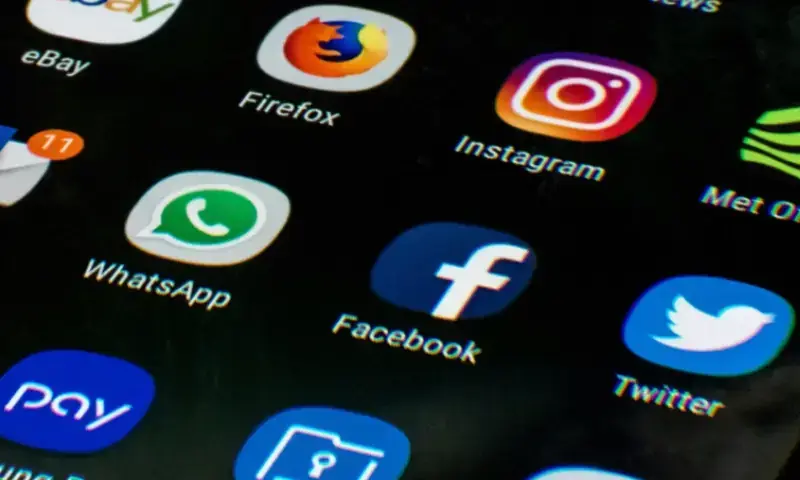
The advertising landscape in Pakistan is undergoing a significant transformation. Traditionally, marketing involved a company enlisting an agency, producing ads, and distributing them via television, billboards, or newspapers. However, with the rise of social media, Pakistan now boasts approximately 80 million adult social media users, with TikTok alone reaching 80 million adults, YouTube 54 million, and Instagram 22 million.
This shift has birthed the influencer economy, with key figures like Jannat Mirza, Ducky Bhai, Rajab Butt, and Hania Aamir boasting millions of followers on various platforms. These influencers are not just content creators; they are businesses employing videographers, editors, and sales teams. Their credibility and personal relationship with their audience enables companies to borrow their trust.
Influencers can be compensated through fixed payments for posts, free products, or performance-based models, where they earn a commission for every product sold through a unique link. This shift allows for more measurable and accountable advertising. For small businesses, partnering with influencers who align with their target audience can be more cost-effective than competing with multinational advertisements.
The focus is shifting from follower count to the relevance of the audience. Live commerce, popular in China, is also gaining traction in Pakistan, where influencers demonstrate products live, answer queries, and facilitate immediate purchases. However, challenges remain, such as ensuring transparency and authenticity in influencer marketing.
Companies need to disclose when an influencer's endorsement is paid, especially when promoting financial or health products. Additionally, there is a risk of fake influence, where follower counts may be artificial. To address these issues, the industry must transition from measuring influencer marketing primarily by follower numbers to evaluating it through metrics like customer acquisition cost, engagement, conversion, and repeat purchases.
This evolution will likely see the emergence of influencer agencies, talent managers, analytics firms, and technology platforms, connecting brands with creators. Traditional advertising methods will persist, but the power to own an audience will become increasingly valuable. With a smartphone, anyone can build a larger following than many traditional media outlets, marking the potential for a new retail channel: the individual influencer.
Written by urgent.news from Dawn Business's reporting — not their text. Machine-written — may contain errors; check the original before relying on it.