The India-Pakistan Cold War
The current stalemate should be viewed not as a pause between negotiation rounds, but rather as part of a deliberate strategy of disengagement.
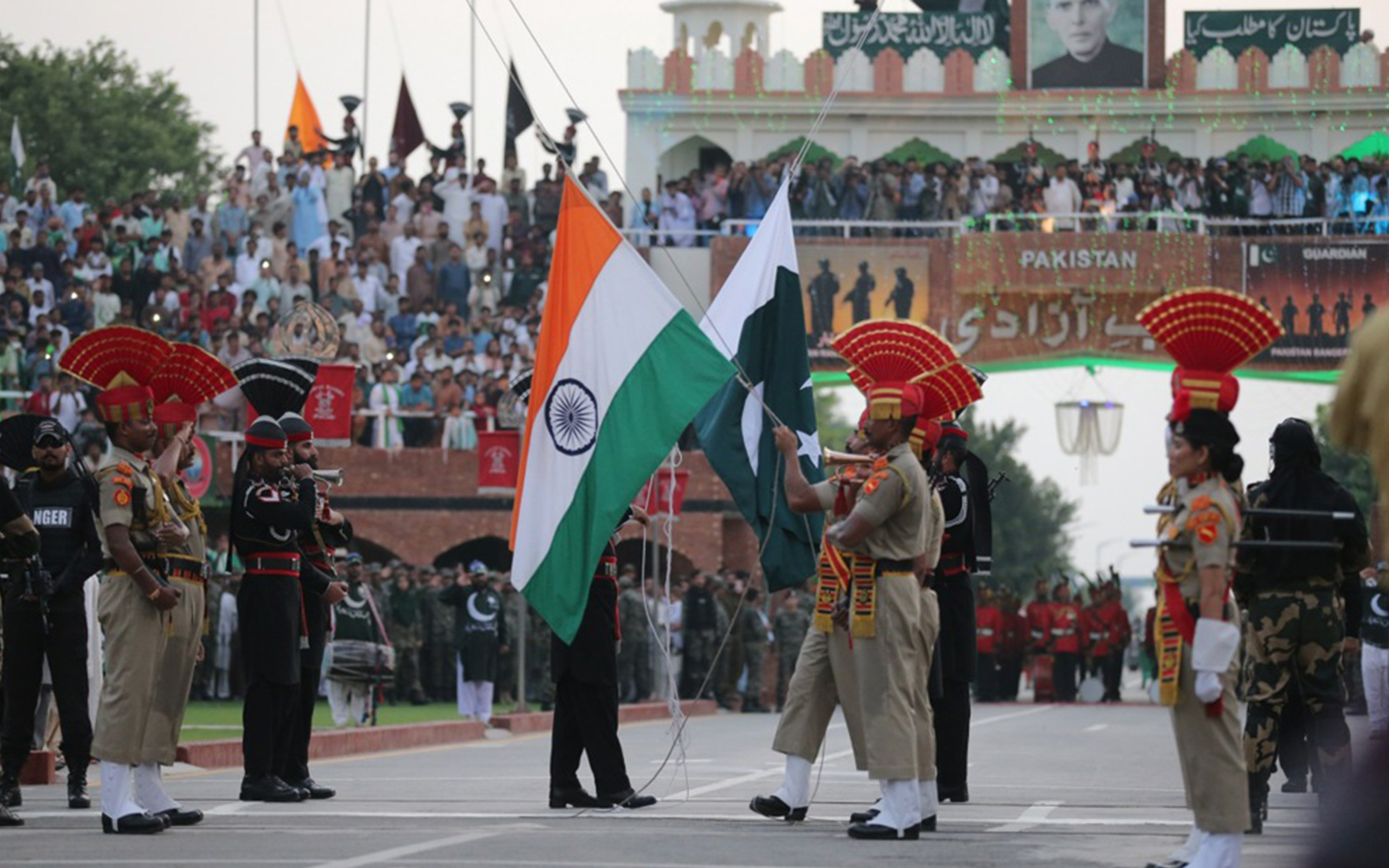
In the post-2016 era, India and Pakistan have entered a new phase in their relationship, a stark departure from the cyclical pattern of military clashes followed by negotiations. This shift signifies a significant change in Indian foreign policy, which has fundamentally altered the subcontinent's security dynamics. The impasse stems from past diplomatic failures, with Pakistan's military leaning towards asymmetric warfare, or terrorism, following unsuccessful conventional wars in 1947, 1965, and 1971.
The latter, which resulted in the creation of Bangladesh, prompted Pakistan to adopt this strategy. From 1989 to 1993, terrorist attacks in India were met with Pakistani boasting about "bleeding India to death by a thousand cuts". Despite Indian leaders' belief in the potential for structured dialogue to change Pakistan's strategy, this approach was repeatedly undermined by Pakistani military or terrorist provocations.
Notable incidents include the 1999 Kargil War and the 2008 Mumbai attacks, which demonstrated a profound institutional disconnect within Pakistan. Pakistan's civilian governments lacked the authority to honor their negotiating commitments, while its military-intelligence apparatus viewed peace with India as a threat to its domestic hegemony.
India's patience has finally run out, with Prime Minister Narendra Modi now embracing a new strategy. India is no longer willing to coexist with terror, insisting on Pakistan's dismantling of state-supported terrorist networks before resuming negotiations. This shift is complemented by a change in India's military doctrine, acknowledging the need to accept escalation risks to impose tangible costs on Pakistan for state-sponsored terror.
The current stalemate poses significant risks to regional stability, with even basic bilateral matters now viewed through a hyper-politicized national-security lens. While the prospects for a diplomatic breakthrough remain bleak, the US, despite its strategic interests in India, has not encouraged India to reconsider its stance.
The India-Pakistan conflict's underlying foundations remain firmly entrenched, and a diplomatic breakthrough seems increasingly unlikely unless Pakistan undergoes a political transformation or a significant event forces a change in regional priorities.
Written by urgent.news from Free Malaysia Today's reporting — not their text. Machine-written — may contain errors; check the original before relying on it.
This story
This is one outlet's version. Read the fullest account.
- The India-Pakistan Cold War freemalaysiatoday.com