The India-Pakistan Cold War
The current stalemate should be viewed not as a pause between negotiation rounds, but rather as part of a deliberate strategy of disengagement.
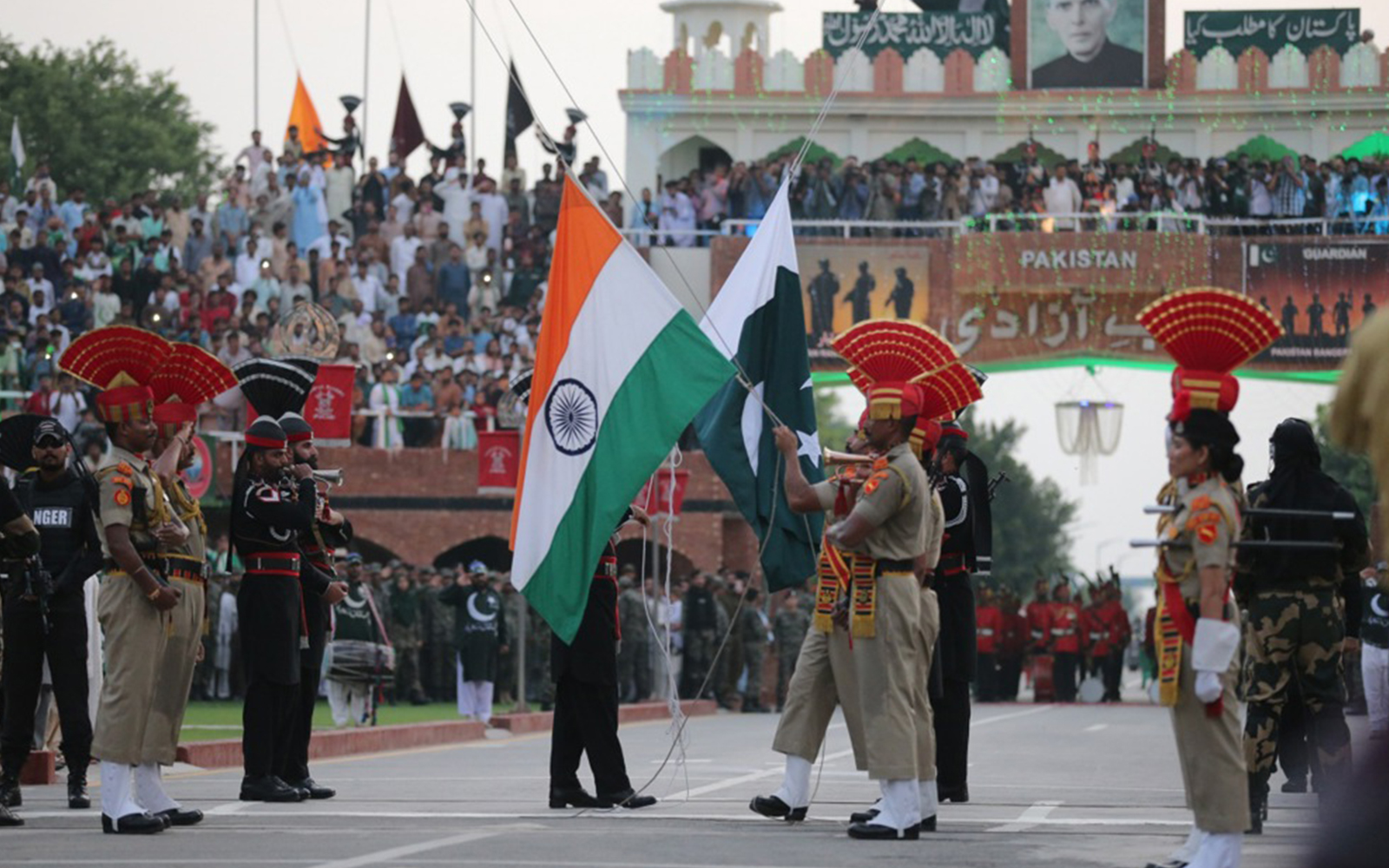
South Asia's history has been marked by a recurring cycle of conflict management, where brief military clashes would be followed by periods of de-escalation and resumed peace talks, culminating in another bout of conflict. However, a shift in Indian foreign policy has now broken this pattern. Since 2016, there have been no high-level dialogues between India and Pakistan, indicating a significant change in the security architecture of the subcontinent.
The roots of this stalemate can be traced back to failures in past diplomacy, with Pakistan initiating wars in 1947, 1965, and 1971, which ultimately resulted in the breakup of Pakistan and the creation of Bangladesh. These experiences, coupled with the success of US-backed mujahideen in Afghanistan, led to Pakistan adopting a new strategy based on asymmetrical warfare, or terrorism.
From 1989 to 1993, Pakistan's military officers boasted about "bleeding India to death by a thousand cuts." Despite Indian leaders believing that structured dialogue could persuade Pakistan to abandon this strategy, it was met with military or terrorist provocations from Pakistan. Notable incidents include the Kargil War in 1999 and the Mumbai terrorist attacks in 2008.
These events highlight a profound institutional disconnect within Pakistan, where civilian governments lack the authority or longevity to fulfill commitments made at the negotiating table, and the military-intelligence apparatus views peace with India as an existential threat. India, under Prime Minister Narendra Modi, has now abandoned its doctrine of strategic restraint and is seeking to rewrite the rules of deterrence in South Asia.
This shift is accompanied by a fundamental change in India's military doctrine, with India willing to accept escalation risks to impose tangible costs on Pakistan for state-sponsored terror. The current stalemate poses significant risks to regional and global stability due to the absence of a diplomatic safety valve between nuclear-armed neighbors.
However, the prospects for a diplomatic breakthrough remain bleak, as Pakistan's military leadership still relies on hostility towards India for domestic political legitimacy, while India's growing economic and conventional-military advantages give it little reason to compromise on its core security interests.
Written by urgent.news from Free Malaysia Today's reporting — not their text. Machine-written — may contain errors; check the original before relying on it.
Also reported by 1 other outlet
- The India-Pakistan Cold War freemalaysiatoday.com