The Fitbit Edge is for folks who don’t want to go totally screenless
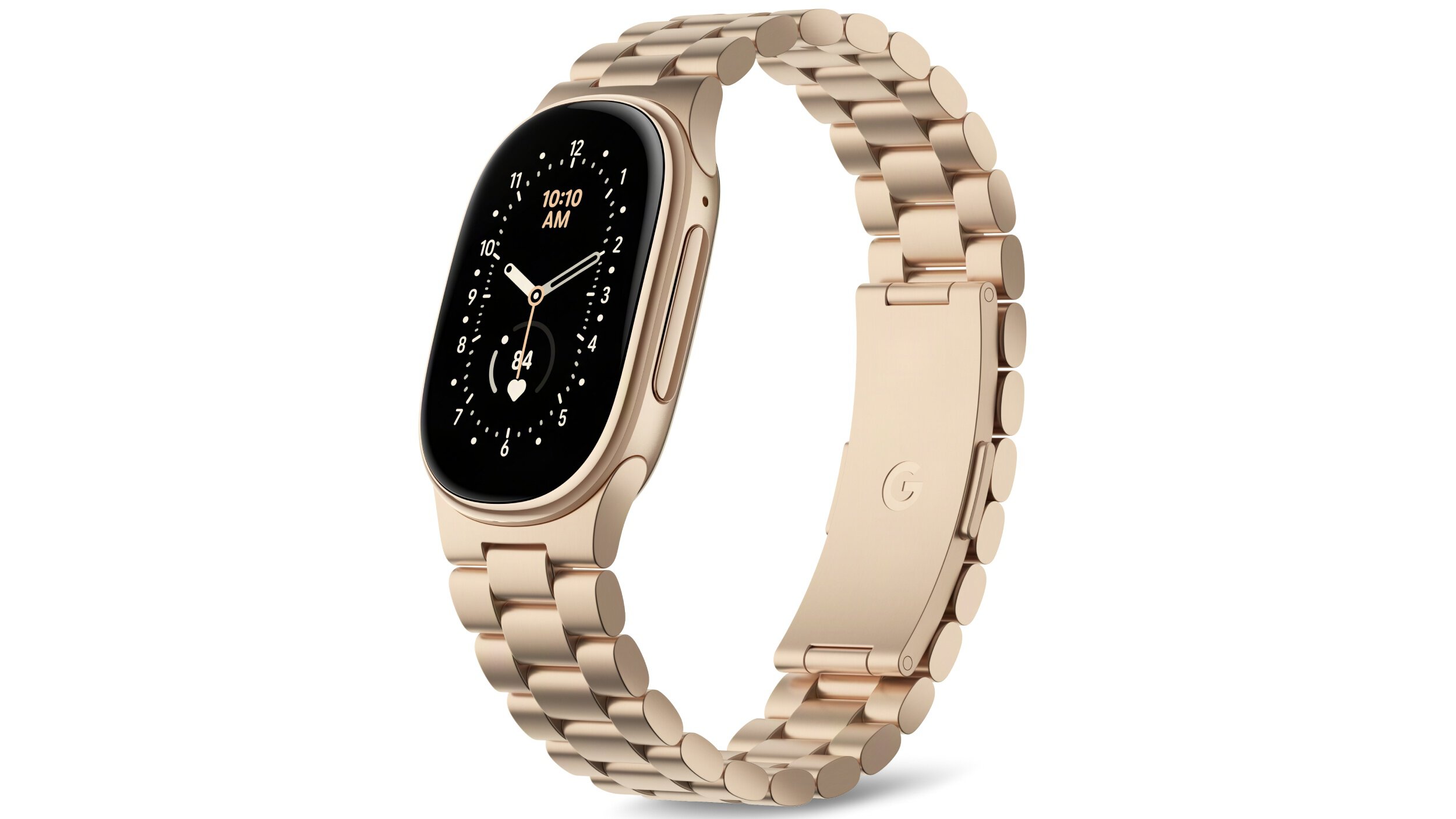
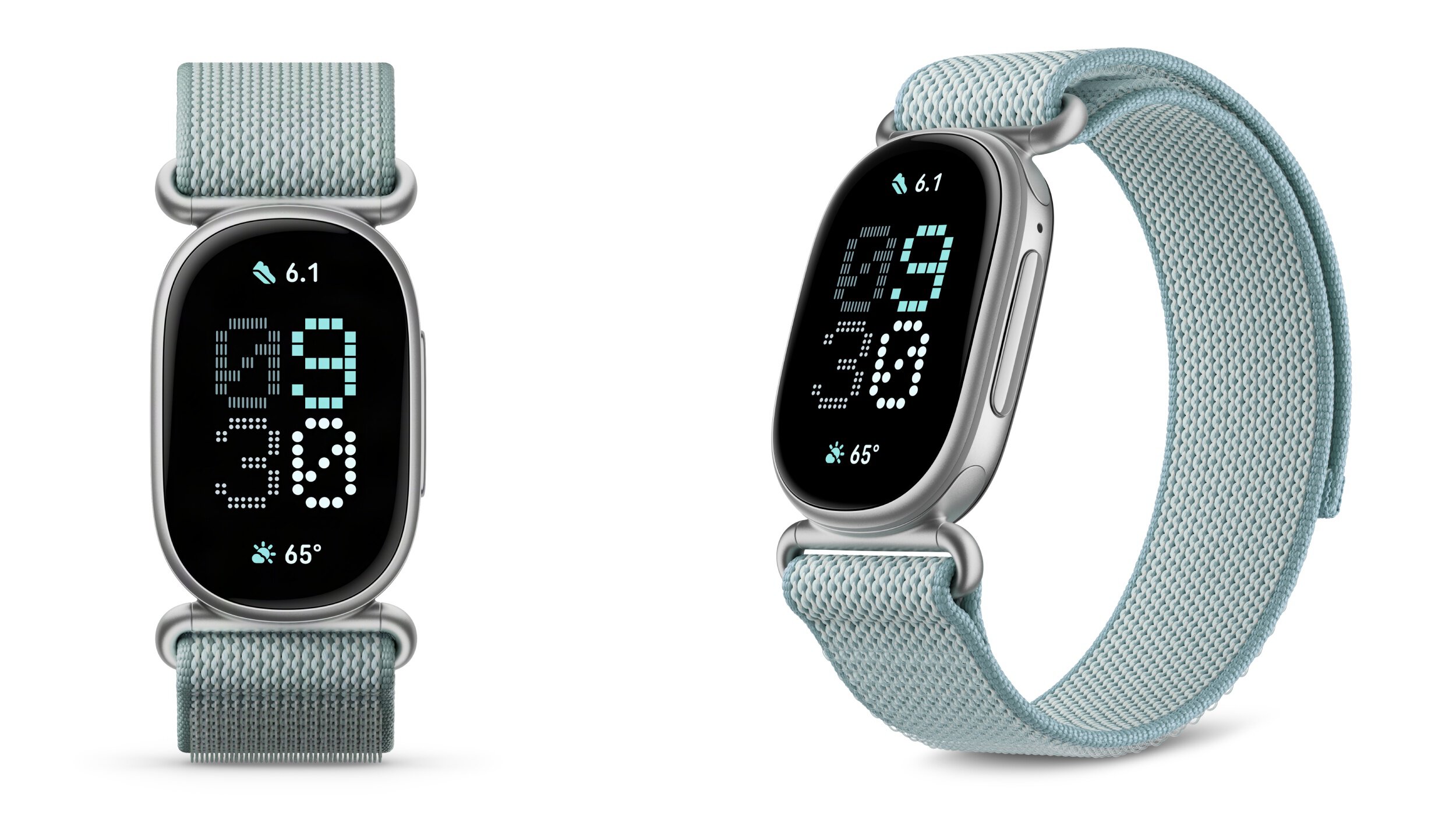
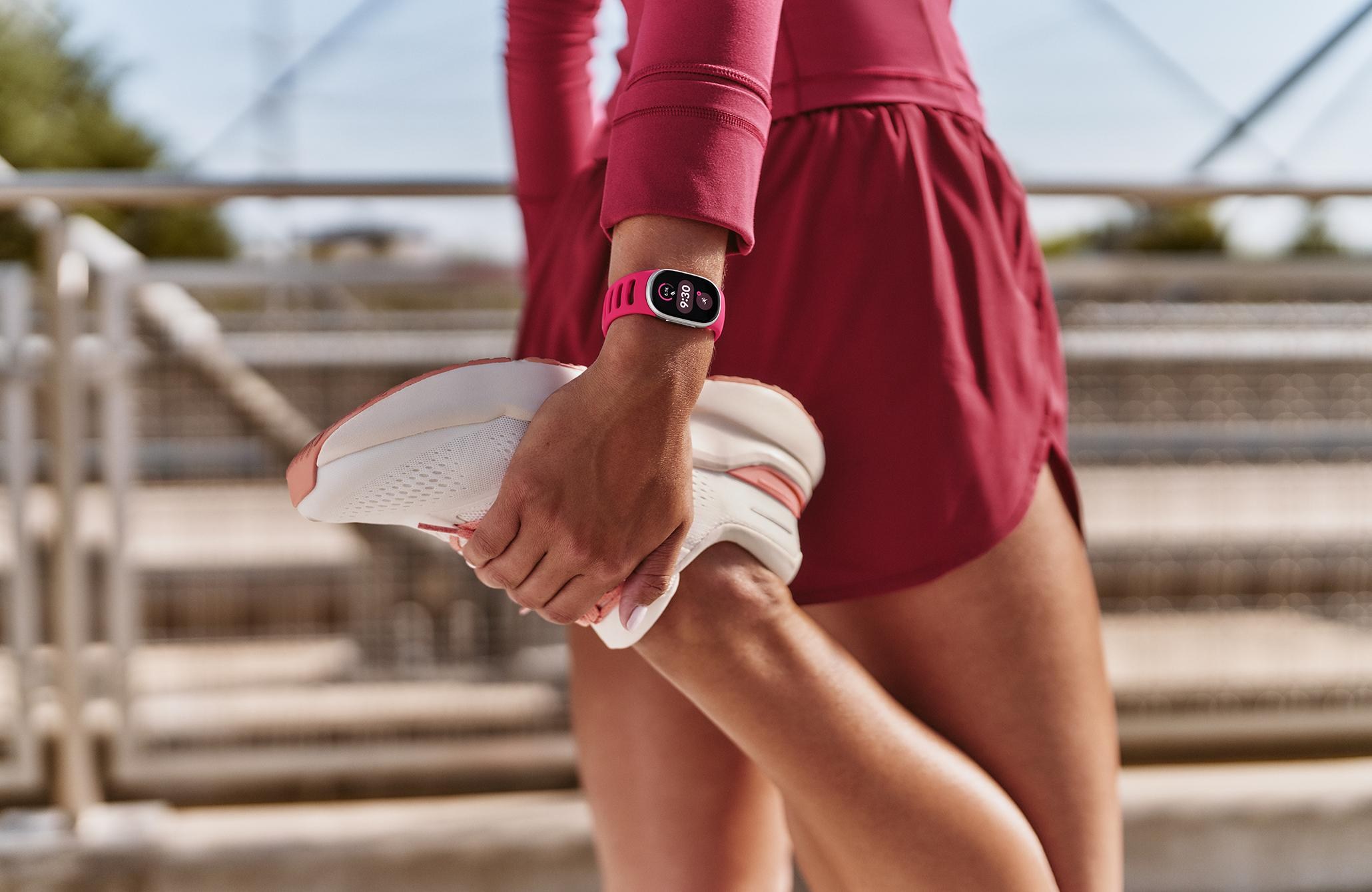
The Fitbit Edge may not be Google's best-kept fitness-tracking secret, but as of today, its existence is official. The tracker sits smack-dab between the recently launched Fitbit Air and the more powerful Google Pixel Watch 5 in the company's current wearable lineup. Basically, if you have smartwatch fatigue but don't want to give up notifications, […]
The Fitbit Air and Oura Ring 5 have become the top-selling screenless sleep trackers. Despite both being sleek and accurate, the Fitbit Air is the only one I wear to bed every night. These sleep trackers offer detailed tracking without the bulk of a smartwatch. The Fitbit Air is a tracking band with a super slim profile, while the Oura 5 is a smart ring that looks like ordinary jewelry.
In terms of price and availability, the Fitbit Air is more affordable, starting at just $99.99 and offering a free tier with all standard tracking metrics. Google Health Premium subscription at $9.99/month provides additional features like Google's Health Coach, workout and mindfulness library. On the other hand, the Oura Ring 5 is premium tech, with prices starting at $399 and a required monthly subscription of $5.99.
The Oura Ring's design is sleek and lightweight, but it requires a sizing kit for the perfect fit. The Fitbit Air's battery lasts up to 7 days, while the Oura Ring 5 can last 6-9 days. Both devices provide standard sleep tracking features such as sleep onset, wake-up, sleep stages, and disturbances. The Fitbit Air and Oura Ring 5 both collect data like heart rate, movement, and temperature, and generate an overall sleep score.
Written by urgent.news from Tom's Guide's reporting — not their text. Machine-written — may contain errors; check the original before relying on it.
This story
This is one outlet's version. Read the fullest account.