Urgent.News

What's breaking now, across thousands of outlets.

Tech

The Fitbit Air and Oura Ring 5 are best selling screenless sleep trackers — but there's only one I wear to bed every night

I tested the Fitbit Air and Oura Ring 5 to see which is best for sleeping tracking. After comparing the results, this is the sleep tracker that I'd recommend.
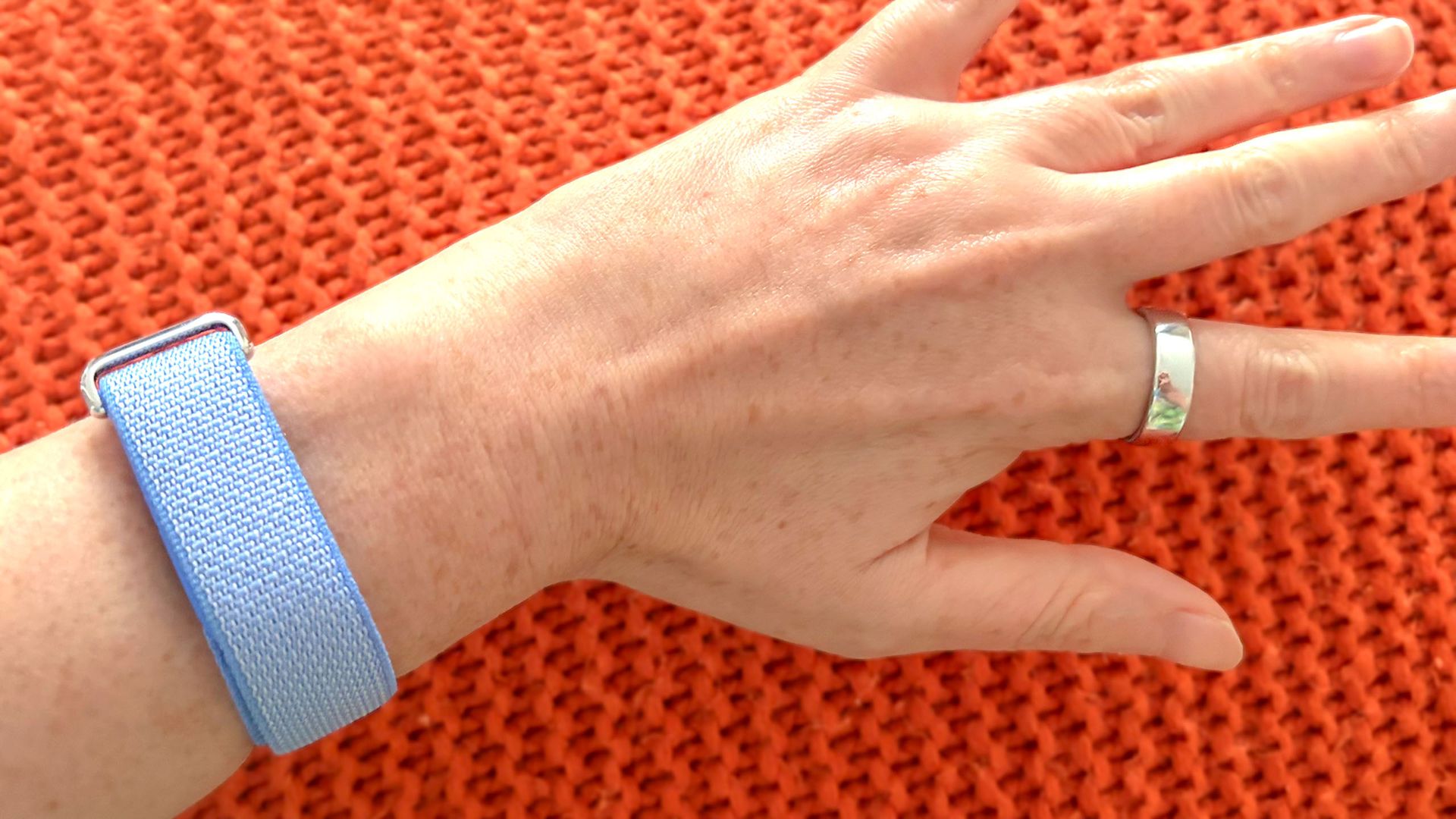
The Fitbit Air and Oura Ring 5 are best selling screenless sleep trackers — but there's only one I wear to bed every night

The Fitbit Air and Oura Ring 5 have become the top-selling screenless sleep trackers. Despite both being sleek and accurate, the Fitbit Air is the only one I wear to bed every night. These sleep trackers offer detailed tracking without the bulk of a smartwatch. The Fitbit Air is a tracking band with a super slim profile, while the Oura 5 is a smart ring that looks like ordinary jewelry.

In terms of price and availability, the Fitbit Air is more affordable, starting at just $99.99 and offering a free tier with all standard tracking metrics. Google Health Premium subscription at $9.99/month provides additional features like Google's Health Coach, workout and mindfulness library. On the other hand, the Oura Ring 5 is premium tech, with prices starting at $399 and a required monthly subscription of $5.99.

The Oura Ring's design is sleek and lightweight, but it requires a sizing kit for the perfect fit. The Fitbit Air's battery lasts up to 7 days, while the Oura Ring 5 can last 6-9 days. Both devices provide standard sleep tracking features such as sleep onset, wake-up, sleep stages, and disturbances. The Fitbit Air and Oura Ring 5 both collect data like heart rate, movement, and temperature, and generate an overall sleep score.

Written by urgent.news from Tom's Guide's reporting — not their text. Machine-written — may contain errors; check the original before relying on it.

Read the original at tomsguide.com →

More in Tech

Combining Automated Payment Rails with Human Fallback

Designing one transaction lifecycle that can move safely between API-based payouts and operational fulfillment. Payment coverage is rarely uniform. One destination may support an immediate API payout.

  • Automated and manual fulfillment treated as distinct strategies within unified customer lifecycle
  • Routing layer determines fulfillment method based on destination and payment method
  • Manual fallback should only occur when appropriate, not for every provider error

What's Inside a Tesla Paint Shop Wrap File (and How to Validate One Before It Hits the Car)

What's Inside a Tesla Paint Shop Wrap File (and How to Validate One Before It Hits the Car) Since the Paint Shop feature started accepting custom wraps, a lot of Tesla owners have discovered the same…

  • Tesla's Paint Shop feature enables vehicle customization with unique wraps.
  • Wrap files must be PNG, 512x512 to 1024x1024 pixels, and under 1 MB.
  • Validation script checks file type, size, name format, and image dimensions.

Day 60: Persistent Volumes and IP Configuration

Day 60 of DevOps, Day 10 of Azure. Both tasks today had an object in the middle that the task never names. A pod does not mount a PersistentVolume; it mounts a claim, and the claim finds the volume.

  • 3Gi PersistentVolume named pv-xfusion created on host path
  • PVC pvc-xfusion found volume, mounted in pod pod-xfusion
  • Public IP devops-pip attached to virtual machine

More from Saturday 10 October →