The effects of haze on our little ones — Jeyasakthy Saniasiaya
OCTOBER 12 — The sudden announcement of school closures across several Malaysian states on 9th October 2026, follo...
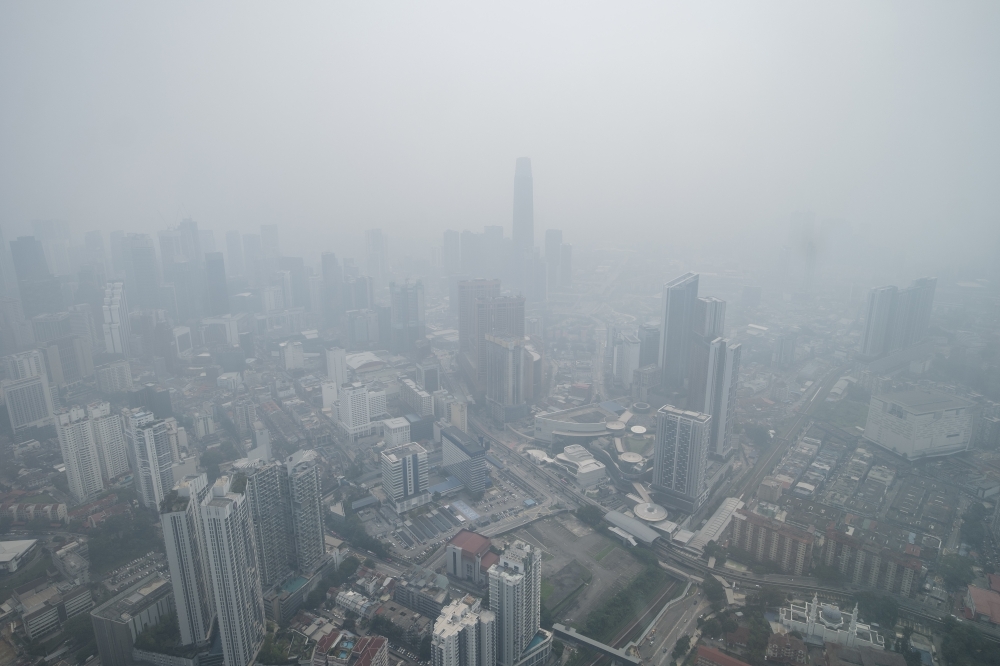
On October 12, Malaysian schools were abruptly shut down in multiple states due to worsening haze conditions on October 9, 2026. Parents quickly reorganized childcare, work schedules, indoor activities and protective measures for their children. However, the real concern lies in the impact of haze on children's health that goes beyond a few days of disruption.
Haze is composed of fine particulate matter (PM2.5) that can enter lungs, causing inflammation and affecting other organs. This pollution is particularly dangerous for children and the elderly. Research shows that air pollution exposure leads to respiratory symptoms, worsens asthma, and triggers more hospital admissions among kids.
Children are more vulnerable due to developing lungs and immune systems, higher breathing rates, and greater air intake relative to body weight. Their outdoor playtime increases exposure. Effects aren't limited to lungs; air pollution can irritate nose, throat and airways, potentially leading to allergic rhinitis, ear infections and worsening asthma.
For children with pre-existing conditions, haze may worsen conditions like allergic rhinitis, upper/lower airway abnormalities, and tracheostomy use. Symptoms to watch include persistent cough, wheezing, breathlessness, reduced activity and difficulty feeding. Parents should follow air quality guidelines, use air purifiers and limit indoor pollution.
The long-term impact of repeated haze exposure remains a concern, potentially leading to impaired lung growth and increased respiratory problems. Protecting children's health during haze requires vigilance, precautionary measures and a focus on their unique vulnerability.
Rewritten by urgent.news; may contain errors — check the original.
Source: malaymail.com