Health Ministry approves 400 additional ambulances
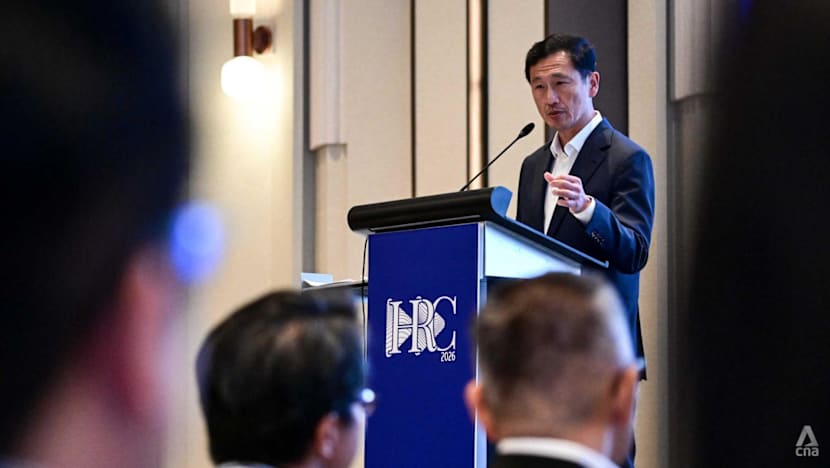
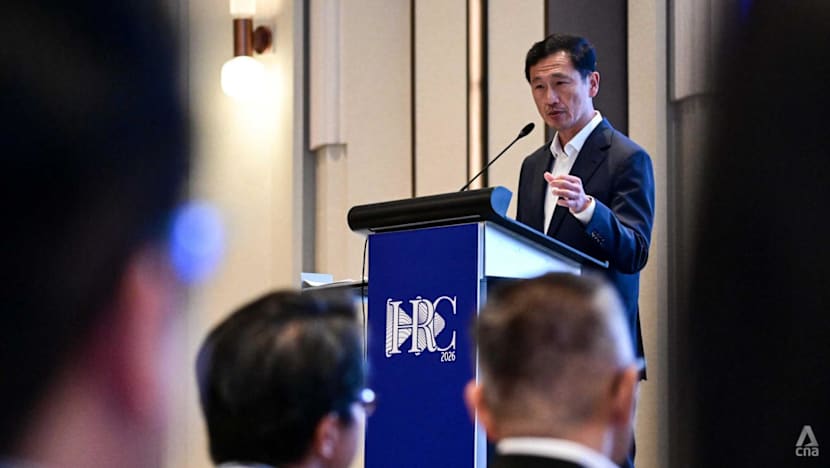
KUALA LUMPUR: The Health Ministry has approved 400 additional ambulances to improve emergency response services nationwide, said Health Minister Datuk Seri Dr Dzulkefly Ahmad.
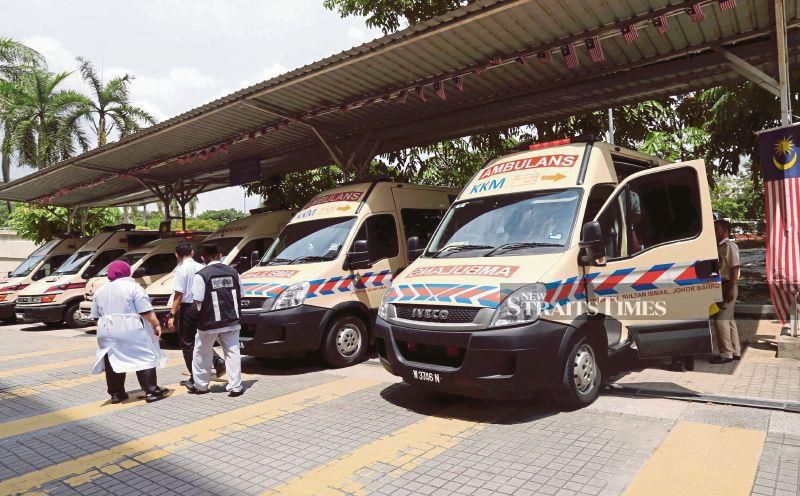
The Health Ministry in Malaysia has approved 400 additional ambulances to enhance emergency response services across the country, according to Health Minister Datuk Seri Dr Dzulkefly Ahmad. In parliament, Dr Dzulkefly outlined the ministry's goal of ensuring that 50% of Priority 1 (P1) emergency calls receive an ambulance within 15 minutes, with P1 cases being life-threatening medical emergencies requiring urgent intervention.
Currently, P1 case response times in 2025 stand at 40%, below the 50% target. To address this, the ministry is increasing ambulance capacity in Jelebu district, with five ambulances set to arrive this year and two more on the way. The ministry regularly assesses pre-hospital care and ambulance performance to improve response times and is strengthening coordination under the Next Generation Malaysian Emergency Response Services (NG999) system.
Patient transfer performance is monitored through three KPIs, including ambulance activation time. Paramedics also receive real-time medical guidance from specialists during emergencies. Dr Dzulkefly's comments came in response to a question about addressing disparities in access to healthcare between urban areas and rural districts.
Rewritten by urgent.news; may contain errors — check the original.
Source: nst.com.my