The disproportionate power of the landed elite
The apparent transformation of rural society sits uneasily with the landed elite’s strong presence in Pakistan’s legislatures, pointing to a disconnect between landownership patterns and political representation. Does this reflect limitations in the sample-based Agriculture Census, ambiguities in legislators’ self-declared professions, or the disproportionate political influence of a relatively…
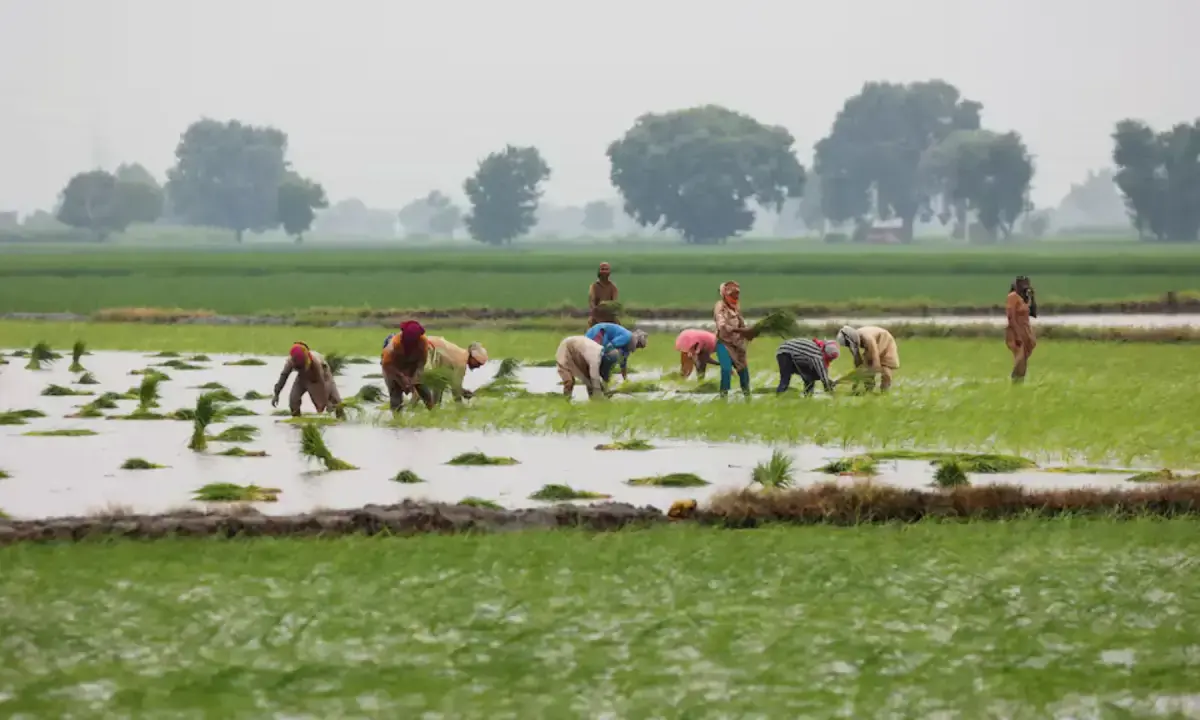
In Pakistan's complex society, a significant disparity exists between the political influence of the landed elite and the changing rural landscape. Despite official data indicating increasingly fragmented landholdings, landowners and those with agri-business interests dominate Pakistan's legislatures. This discrepancy raises questions about the reliability of the data and the disproportionate political influence of a relatively small class of farmers.
According to the Free and Fair Election Network's (Fafen) 2018 analysis, 3% of Pakistani farmers, who own more than 12.5 acres, constitute the largest professional group in the National Assembly and provincial assemblies. These landowners, who are largely responsible for the majority of legislative seats, use their influence to control additional 'benami' land registered in the names of relatives, employees, servants, or haris.
They secure government land on lease and obtain private land on concessional terms for cultivation by tenants.
Former Prime Minister and senior leader of Awaam Pakistan, Shahid Khaqan Abbasi, attributes this disconnect to elite capture. He claims that these influential farmers use their agricultural income to launder earnings and evade taxes, while also building expensive palatial homes on farmland to justify their agricultural earnings.
However, Ziad Bashir, CEO of Ideas and a prominent business leader, argues that the contradiction may reflect different realities. He suggests that the census captures operational holdings, including tenancies, rather than simply ownership, resulting in a numerical dominance of farmers despite the small size of their individual holdings. Furthermore, he points out that formal records might understate effective control when family members or associates divide the land while managing it as a single farm.
Tax policy also plays a role in sustaining this dynamic. Agricultural income is taxed provincially at a lighter rate than comparable non-agricultural income. Weak enforcement of tax laws, coupled with unequal landownership, patronage, and access to state institutions, helps sustain the landed influence despite the fragmentation of farms.
Written by urgent.news from Dawn Business's reporting — not their text. Machine-written — may contain errors; check the original before relying on it.