Textile makers warn of steep decline in exports from Oct to Dec
• Pakistan Textile Exporters Association cites weak Western demand, higher freight, rising production costs • Exporters seek 6-8pc Duty Drawback of Local Taxes and Levies support, clearance of outstanding refunds • Industry says announced 4.5pc Export Finance Scheme rate yet to be implemented ISLAMABAD: Textile exporters have warned the government of a steep decline in goods exports during the…
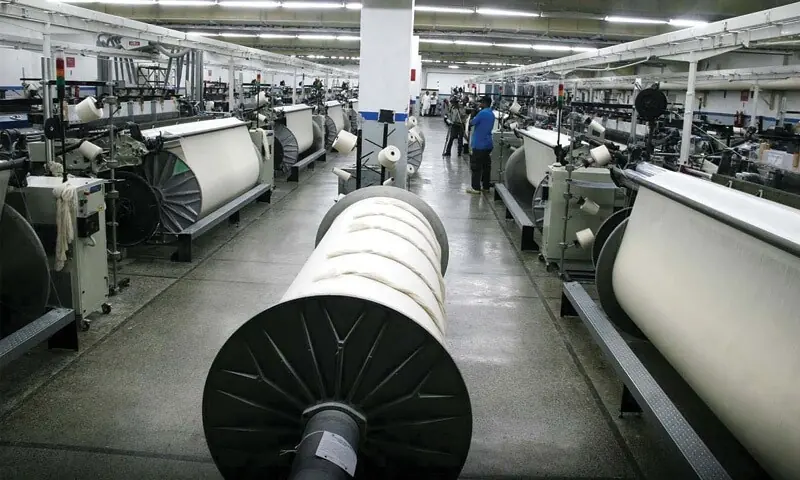
Pakistan's textile exporters are warning of a sharp export decline from October to December of the current fiscal year, citing weakened demand in Western markets, higher freight costs, and rising production expenses. The Pakistan Textile Exporters Association (PTEA) says the industry is suffering under multiple pressures that threaten its competitiveness.
Inflation in Western markets has reduced demand from buyers, while sea freight prices have surged, squeezing exporters' already tight profit margins. Rising input and logistics costs are also undermining the appeal of Pakistani products. PTEA Patron-in-Chief Khurram Mukhtar said the export trade volume drop is unprecedented and that only financially stable exporters will survive.
The situation has affected the entire textile value chain, from ginning to knitting, and domestic demand is weak due to high inflation. Mukhtar urged the government to provide temporary support through the Duty Drawback of Local Taxes and Levies (DLTL) scheme at 6-8pc to help exporters maintain their international market presence.
He also demanded the immediate clearance of outstanding refunds to ease the financial crisis across the textile industry and removal of cross-subsidies in industrial energy tariffs to lower production costs. The government announced a 4.5pc Export Finance Scheme rate for the fiscal year 2027, but the decision has yet to be implemented, leaving banks to charge between 5.5pc and 8.5pc.
Mukhtar pointed out that around Rs200 billion in financing was given to yarn exporters under the scheme despite yarn being on the negative list. He also questioned financing provided to sugar exporters, a regulated sector. Some exporters achieving five to six times the required export performance could not obtain financing, he argued, which discourages value addition and penalizes high-performing exporters.
Mukhtar welcomed the EFS's increased financing for SMEs but doubted its effective utilization. He said an additional Rs300bn allocation for SMEs would require Rs600bn in export performance, which does not currently exist, as the previous Rs100bn allocation lapsed. He called for a 10-year strategic plan for textile exports, focusing on existing industrial expertise, exportable surplus, and structural reforms to enhance international competitiveness.
Rewritten by urgent.news; may contain errors — check the original.
Source: dawn.com
This story
This is one outlet's version. Read the fullest account.