Stop buying filler seed: What chickadees actually need to survive a cold snap
Learn how freezing nights impact winter chickadees and how one simple feeding addition provides the essential calories they need to survive cold snaps.
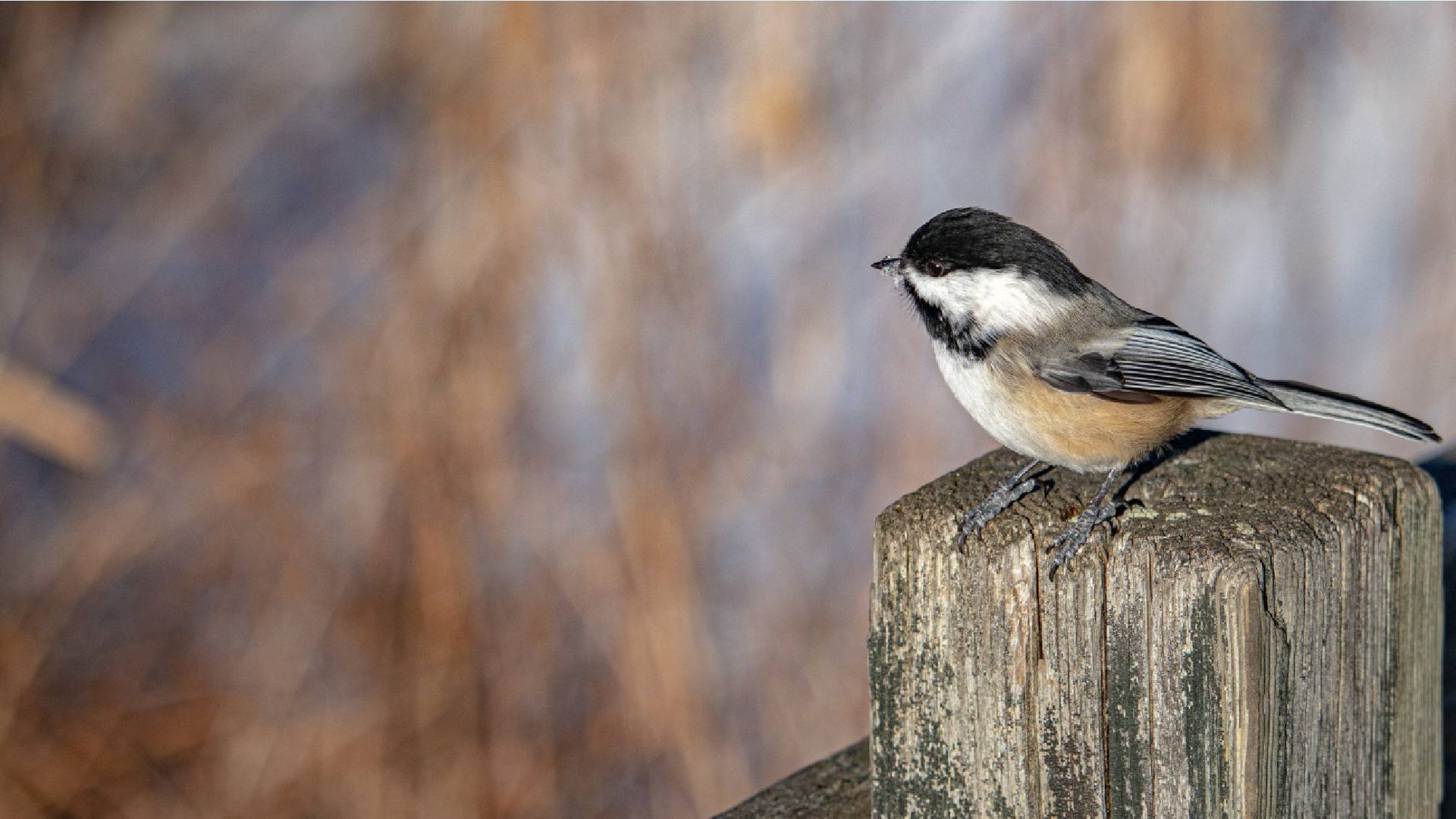
Black-capped chickadees, despite their diminutive size, are remarkably hardy when it comes to enduring frigid winter nights. To endure these sub-zero temperatures, they have developed a unique adaptation: they deliberately lower their body temperature by up to 15 degrees during the night to conserve energy. However, this energy-saving method is not without its costs.
A single night of extreme cold can deplete a chickadee's energy reserves by up to 10% of its total body weight. When a sudden cold snap strikes and natural food sources become inaccessible due to ice, a chickadee's chance for survival dwindles to zero. In order to give these small birds a fighting chance to rebuild their essential fat reserves before nightfall, a simple addition to your backyard can make all the difference.
As the leaves fall and daylight hours dwindle, chickadees become highly focused on building up their winter fat reserves. Standard birdseed blends, which often include filler seeds like red millet or milo, are not sufficient for meeting the high caloric demands of chilly nights. Instead, backyard feeders should prioritize dense, easily accessible fats.
The most effective strategy is to introduce high-fat suet cakes and pure black oil sunflower seeds. Suet cakes provide an abundant source of energy that chickadees can quickly digest, converting it directly into warmth. Meanwhile, black oil sunflower seeds offer thin shells that small beaks can easily crack open to access the nutrient-rich kernel inside.
To maximize the benefits of these high-calorie foods, it is crucial to position suet feeders near evergreen bushes or dense tree canopies. This allows chickadees to access the food while being shielded from the biting autumn winds. Furthermore, protecting feeders from damp weather is essential. Late fall rain, sleet, and early frost can quickly render open birdseed clumpy, spoiled, or frozen.
Installing a wide baffle or weather guard above the feeders can help keep the food dry and readily available for the birds. Regularly checking feeders in the morning also ensures that chickadees have a fresh and reliable food source as they awaken from their nightly energy-depleting state.
In addition to providing high-quality food, offering clean shelter and water is equally important for the well-being of chickadees during the cold months. Establishing roosting boxes, natural tree cavities, or dense brush piles around your yard can create a warm and protected refuge for the birds. These structures provide a cozy place for chickadees to rest as evening temperatures plummet.
Furthermore, maintaining a fresh water source through the use of a birdbath heater is vital. As the weather turns colder, the availability of liquid water becomes increasingly important, as chickadees would otherwise expend precious energy drinking from near-freezing water. By implementing these simple measures, you can help ensure that black-capped chickadees have the best possible chance to survive and thrive through the harshest winter conditions.
Written by urgent.news from Tom's Guide's reporting — not their text. Machine-written — may contain errors; check the original before relying on it.