Pakar gesa Putrajaya teliti 3 aspek pelaksanaan e-ART di JB
Pakar berkata pelaksanaan sistem transit baharu itu perlu ambil kira kapasiti penumpang, kos jangka panjang dan kesan terhadap aliran trafik sedia ada.
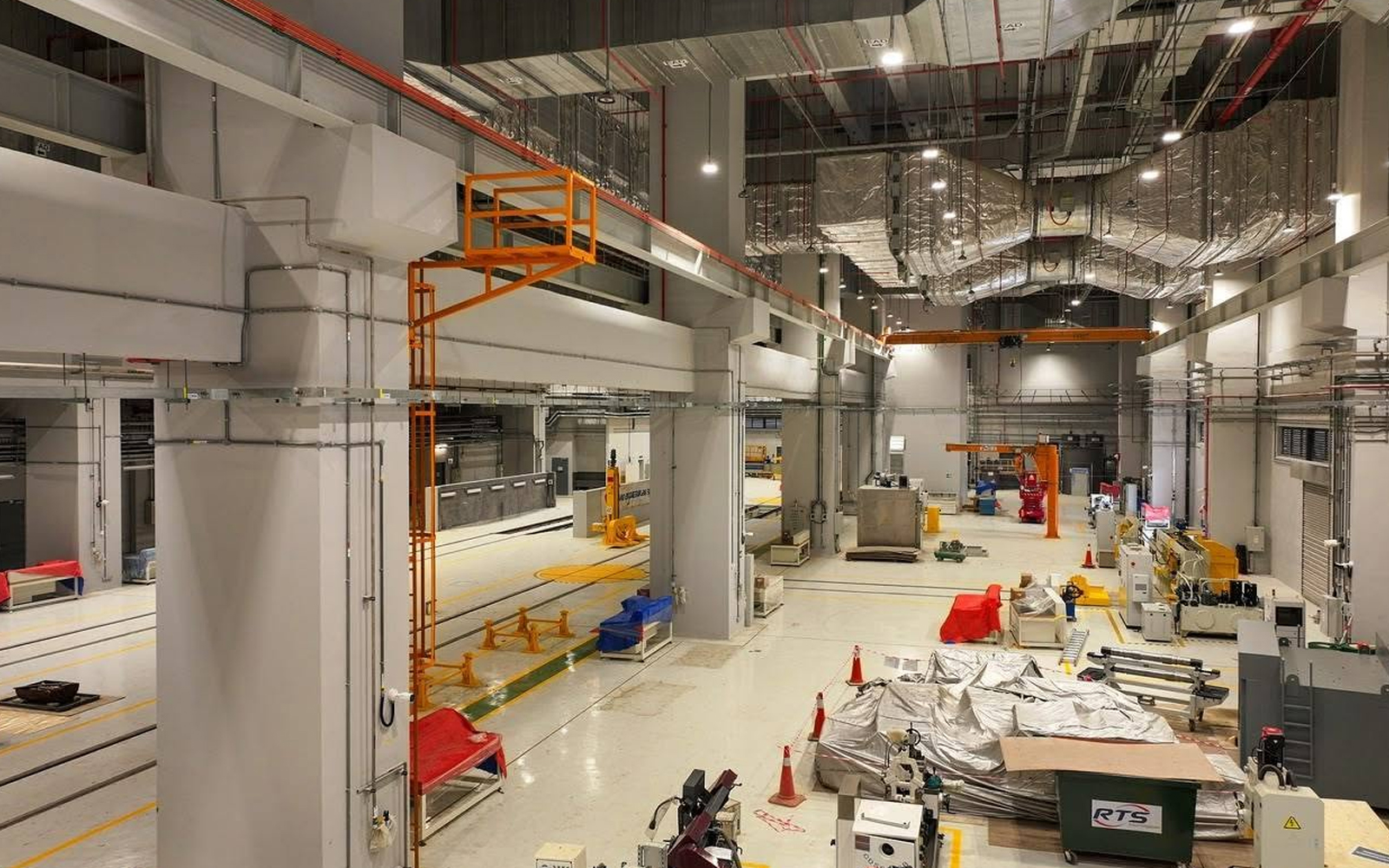
Johor Bahru is set to commence operation of a Johor Bahru-Singapore rapid transit (RTS) system by mid-February. According to a transportation planning body, the Malaysian government must investigate three key aspects of implementing a high-level autonomous rapid transit system (e-ART) to address traffic congestion in the city. e-ART executive chairman Rahman Hussin stated that these aspects include passenger capacity, operating costs, long-term maintenance, and impact on existing traffic flow, especially during construction and at major intersections.
The government must determine the estimated number of passengers expected to use the system, particularly during peak hours, in addition to ensuring vehicle capacity and service frequency can accommodate demand. The assessment should take into account not only construction costs but also infrastructure maintenance, vehicle replacement, energy usage, and technological support throughout the system's life, he told FMT.
Last Friday, the government announced the selection of an e-ART system to alleviate congestion in Johor Bahru, alongside temporary measures such as increasing bus and KTM Komuter services in targeted areas. Rahman emphasized that the government must also investigate how the system will integrate with existing transport facilities and the forthcoming Johor Bahru-Singapore rapid transit system, which is expected to begin operations in mid-February.
International experience shows that successful urban transport systems depend on passenger demand, network integration, and operational performance, not just the technology used, he added. Meanwhile, transport economist Rosli Azad Khan noted that e-ART vehicles can carry nearly ten times more passengers than conventional bus stops, making them more suitable for handling high peak-hour usage.
He added that the multi-level system would complement the RTS by accommodating large passenger volumes at a Bukit Chagar bus stop. Rosli stated that dedicated lanes or segregated lanes for e-ART vehicles would allow them to operate at maximum speed without being hindered by traffic congestion. To ensure the system's success, it should be introduced before the RTS begins operation so its network can be established earlier, and public transport users can become accustomed to it, he added.
Written by urgent.news from Free Malaysia Today's reporting — not their text. Machine-written — may contain errors; check the original before relying on it.
Also reported by 1 other outlet
- Pakar gesa Putrajaya teliti 3 aspek pelaksanaan e-ART di JB freemalaysiatoday.com