Mystery of La Navidad: site of first Spanish settlement in Americas unknown
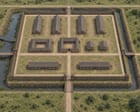
On Christmas Eve 1492 the Santa María ran aground off Haiti; Columbus used its timbers to build Fort Navidad, where 39 men died. More than five centuries later, archaeologists have yet to pinpoint the site.
In the annals of Spanish maritime history, a tale unfolds concerning the first settlement established in the Americas, a mystery that has eluded precise location for centuries. This story begins with Christopher Columbus' voyage in 1492, where he discovered the New World on October 12 from the Pinta, one of his three ships.
On December 24, as Columbus rested, the Santa María struck a reef off the northern coast of Hispaniola. Instead of accepting the loss, Columbus ordered the ship dismantled to salvage materials for a fort, which he named La Navidad. When Columbus returned in 1493, he found the fort destroyed and the crew dead, save for a few survivors led by Diego de Arana.
The precise location of La Navidad remains uncertain, with historians suggesting it might be near Cap-Haïtien in northern Haiti. However, definitive proof remains elusive. Researchers discovered evidence of Taíno pottery in this area, suggesting it was once a significant settlement. The wreck of the Santa María, however, has been claimed by various explorers, with one recent claim dating back to 2014. Despite these findings, the exact site of La Navidad remains a mystery, shrouded in the sands of time.
Written by urgent.news from Euronews's reporting — not their text. Machine-written — may contain errors; check the original before relying on it.