Mistlabs takes its Ambi AI system out of beta on Apple devices with $26M in funding
Ambient intelligence startup Mistlabs Ltd. today brought its Ambi artificial intelligence system out of beta test on Apple Inc. devices, backed by $26 million in new funding. Ambi is designed to act without being asked. Chief Executive Peter Mo said most AI platforms are built to complete tasks, and Mistlabs wants to see what becomes […] The post Mistlabs takes its Ambi AI system out of beta on…
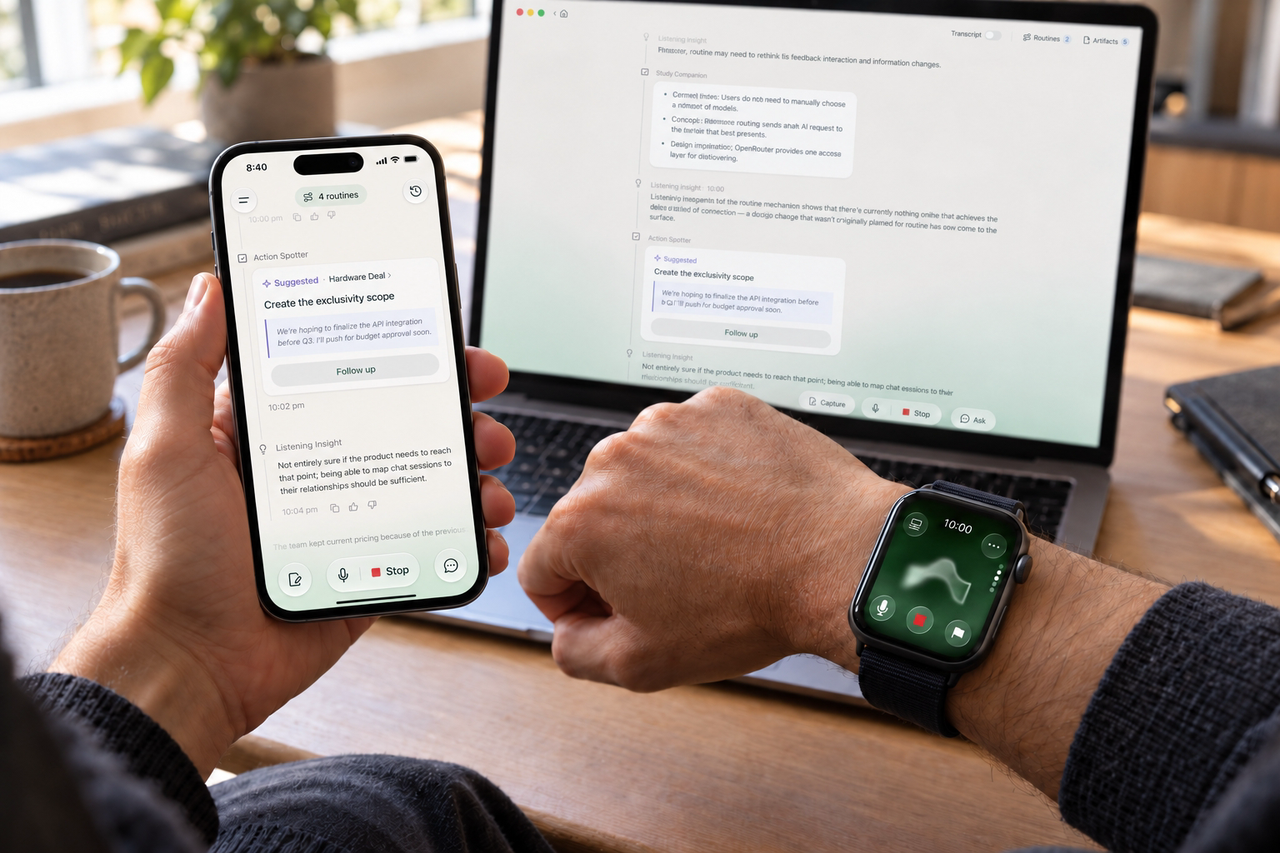
Mistlabs, an ambient intelligence startup, has made its Ambi artificial intelligence system available to Apple devices outside of its beta testing phase, securing $26 million in new funding. Unlike most AI platforms that focus on completing tasks upon request, Mistlabs aims to create software capable of understanding, reasoning, and acting in real-time.
Ambi can sometimes act before a user even asks it to, learning about a person through conversations heard on their Apple devices, such as iPhone, Apple Watch, or Mac. This knowledge allows Ambi to sharpen its understanding of how that person prefers to work over time. Importantly, the software follows the user from one device to another, adapting to their needs on a Mac, iPhone, or Apple Watch.
The Ambi system enables users to set up routines for recurring tasks, with agents working from the data Ambi has gathered about the individual. For example, during a meeting about competitors, Ambi agents could fact-check the discussion, draft a proposal, and flag missing information—all before the user leaves the room. In the future, Mistlabs envisions Ambi agents negotiating with each other, working out overlapping priorities, and eventually bargaining towards a mutually acceptable result, all while the conversation is still ongoing.
The recent $26 million funding round, led by Luminous Ventures and Huaqin Technology Co. Ltd., will support the development of a standalone wearable device that will provide Ambi with even more contextual information about its users and surroundings.
Written by urgent.news from SiliconANGLE's reporting — not their text. Machine-written — may contain errors; check the original before relying on it.