Microsoft to rely more on homegrown AI chips, reducing dependence on Nvidia
By increasingly counting on its own chips, Microsoft stands to expand margins and bolster its AI stack.
Microsoft announced on October 12 that it will start deploying its in-house artificial intelligence chips, known as Maia, on a large scale from 2027, potentially reducing its reliance on Nvidia. These chips, central to the data centers powering AI, will draw significant amounts of electricity, comparable to several nuclear reactors' output.
Nvidia currently dominates the market for chips used in training AI models, but as companies develop AI assistants and multi-step agents, the inference market, where these models are run, is growing rapidly, with competitors like AMD, Amazon, and Google also entering the space. Microsoft's executive vice-president, Scott Guthrie, emphasized that this marked a new phase for the company's AI infrastructure.
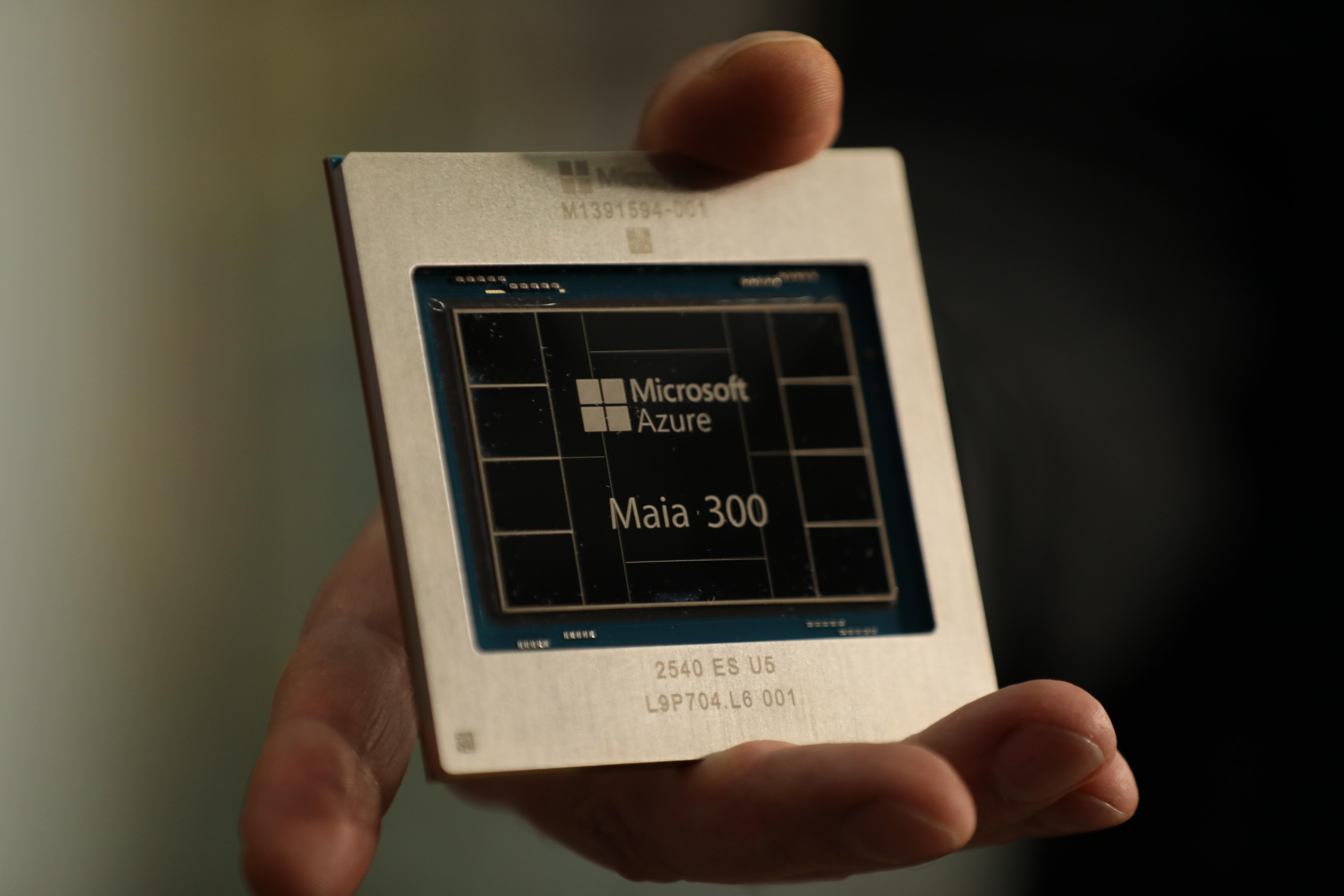
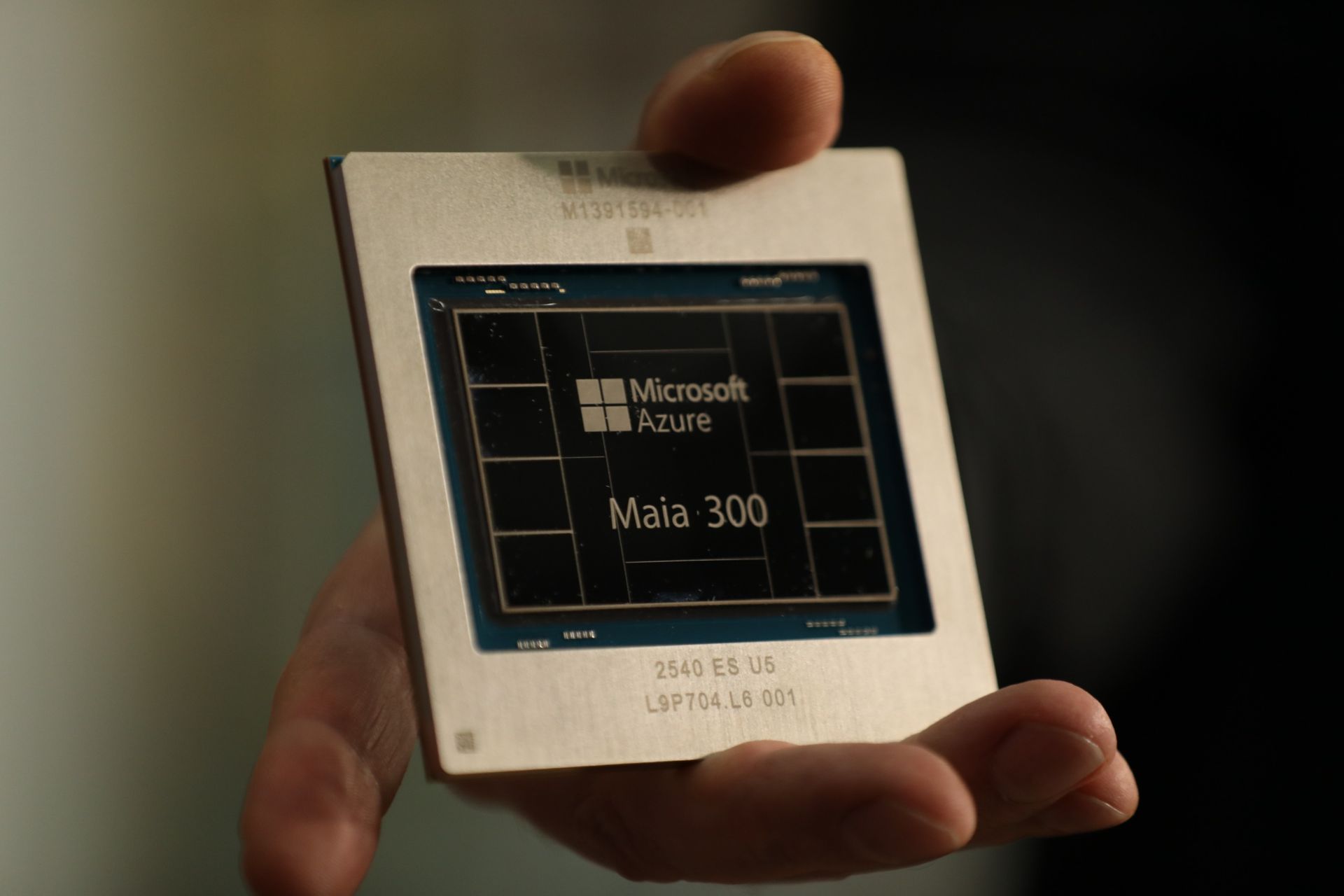
The company unveiled the Maia 200 chip, which is already operational and used in Microsoft 365 Copilot and other AI features, achieving up to 1.7 times more output per watt than leading GPU-based systems. The more powerful Maia 300, set to launch in 2027, promises to deliver 40% more AI work per watt compared to current systems, and more than double the performance of Microsoft's previous chip.
Manufactured by Taiwan Semiconductor Manufacturing Company (TSMC), Maia 200 chips will be housed in server racks, each containing 96 chips, handling up to seven times the workload. Microsoft highlighted energy efficiency as a key focus, tackling the challenge of data movement within machines, a growing concern due to AI's rising power demands.
The chips are cooled using liquid, but Microsoft also noted their compatibility with traditional air-cooled data centers.
Written by urgent.news from Straits Times Business's reporting — not their text. Machine-written — may contain errors; check the original before relying on it.
This story
This is one outlet's version. Read the fullest account.
- Microsoft bets on home-grown AI chip to challenge Nvidia straitstimes.com
- Microsoft’s new AI chip makes it less reliant on Nvidia’s GPUs theverge.com
- Microsoft bets on homegrown AI chip to challenge Nvidia punchng.com
- Microsoft to rely more on homegrown AI chips, reducing dependence on Nvidia cnbc.com