Military superiority cannot guarantee peace in the Middle East
The deadly attack on Riyadh’s King Khalid International Airport on Saturday was another reminder of how vulnerable civilian life and economic activity have become to the region’s wars. At least 13 people were killed, hundreds were injured and air traffic was disrupted. The consequences extended well beyond the airport itself. The attack also illustrated a larger strategic problem – an armed group…
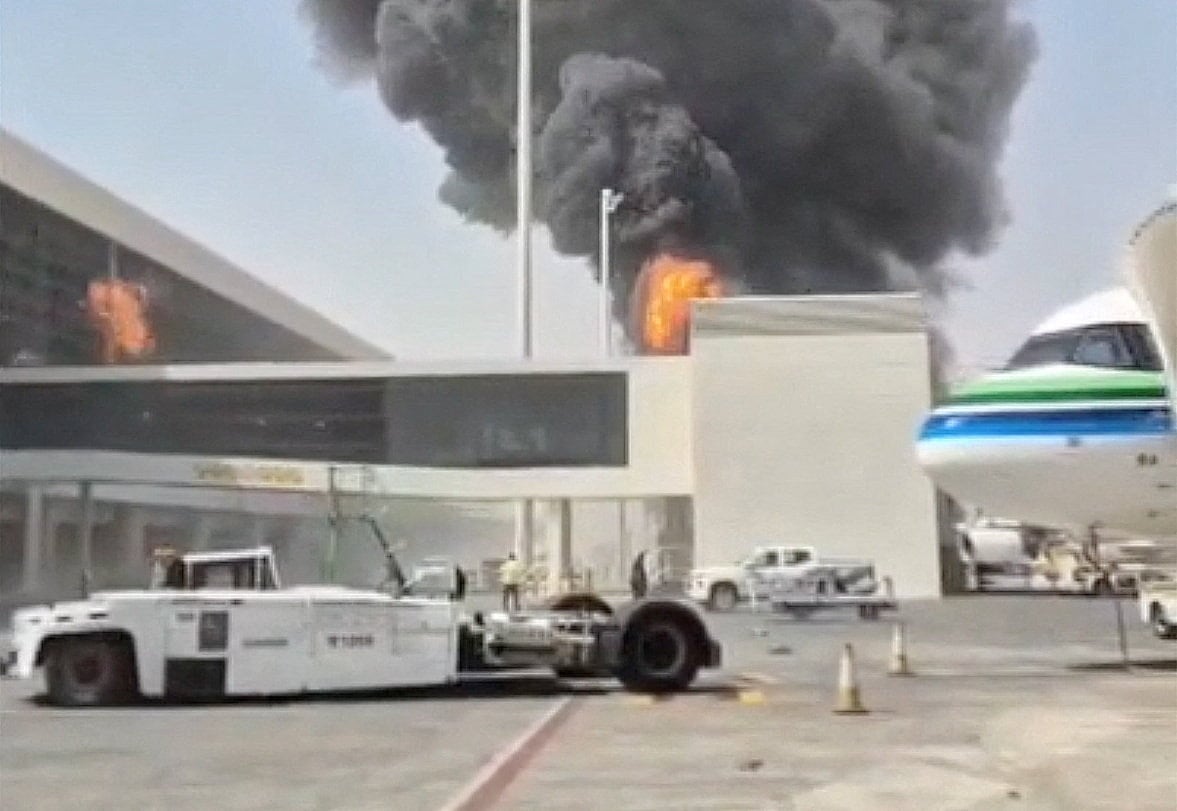
The attack on Riyadh's King Khalid International Airport on Saturday highlighted the vulnerability of civilian life and economic activity in the Middle East to ongoing conflicts. At least 13 people were killed and hundreds injured, with air traffic disrupted. This attack exemplifies a growing strategic problem – an armed group no longer needs to win a war to make its continued presence costly for others.
Military power remains crucial on the battlefield but has proven inadequate in achieving lasting political settlements. The Iranian conflict with the US and Israel exemplifies this issue. While the US and Israel possess superior military and technological capabilities, Iran retains the means to prolong the confrontation and threaten interests beyond its borders, particularly through disrupting shipping in the Strait of Hormuz.
Iran's ability to inflict damage is detached from its capacity to force a political resolution. Despite Iran's sustained military and economic damage, it cannot impose losses comparable to those it has suffered, yet it complicates Washington's calculations, raises economic costs, and makes achieving a satisfactory political conclusion more challenging.
Similarly, Israel's military advantage has not resolved the political future of Gaza or the Palestinian question. In Lebanon, durable stability hinges on the state's authority over war and peace decisions, Hezbollah's weapons, and Israeli withdrawal. In Yemen, weakening the Houthis militarily would not resolve the country's divisions.
The obstacle lies in the gap between temporarily stopping fighting and preventing a return to conflict. Various actors possess the means to halt hostilities, negotiate and make concessions, enforce agreements, or undermine them. However, those capable of restarting the fighting may perceive the benefits outweighing the costs, posing a significant challenge in ending these wars.
The US, as the most influential external security actor in the region, remains unable to compel Iran's compliance due to the division of authority among multiple actors.
Written by urgent.news from The National Business's reporting — not their text. Machine-written — may contain errors; check the original before relying on it.
This story
This is one outlet's version. Read the fullest account.
- Military superiority cannot guarantee peace in the Middle East thenationalnews.com