Ledger implant tests Bitcoin ETFs as safer custodial solutions than hardware wallets
The discovery of an unauthorized Ledger hardware implant reignited debate on whether Bitcoin ETFs are safer than self-custodying Bitcoin via hardware wallet devices.
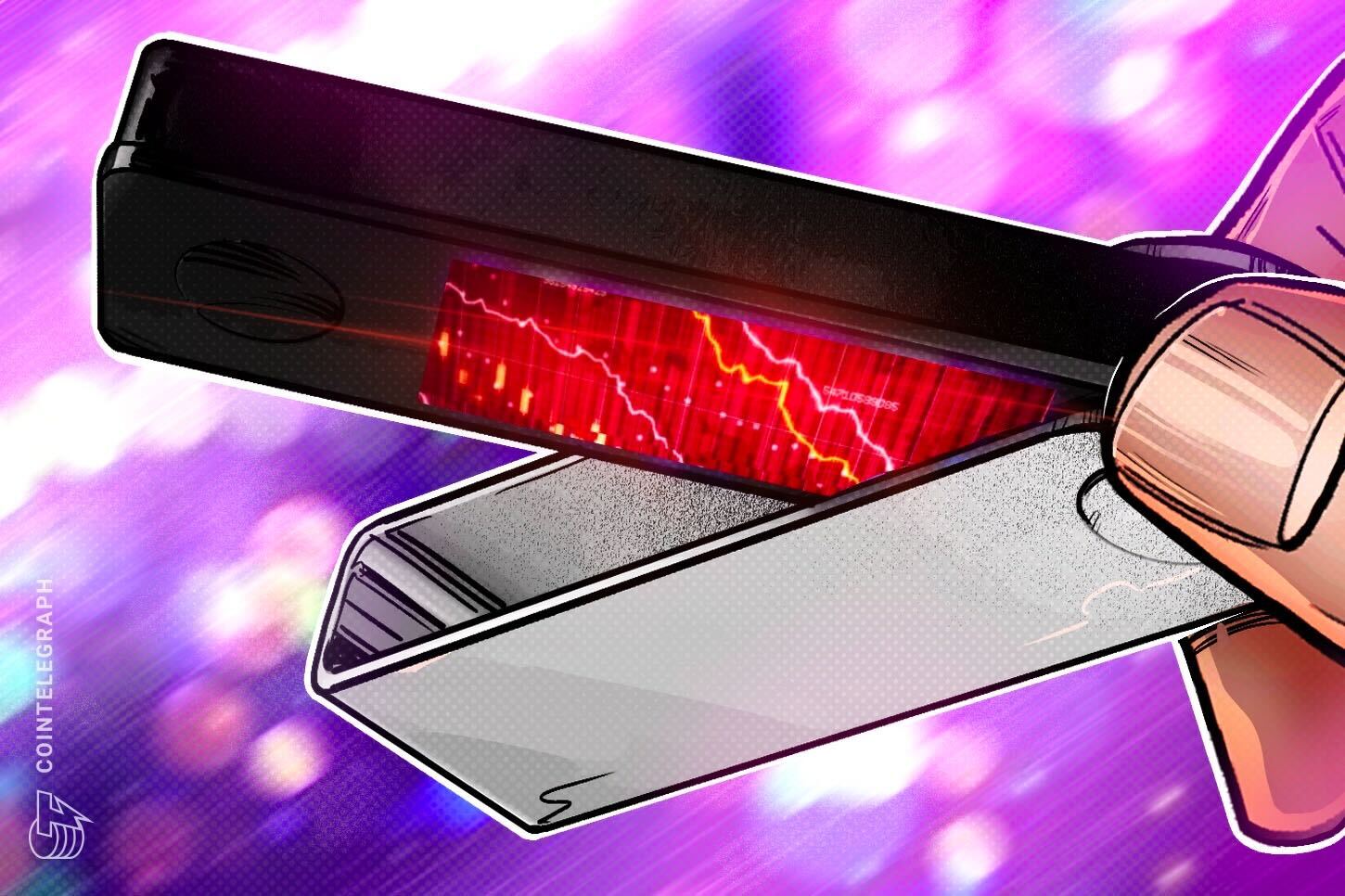
A recently discovered hardware implant found in a Ledger device has sparked a renewed discussion about the relative safety of Bitcoin ETFs compared to self-custodying Bitcoin through hardware wallets. The exploit has reignited debate over whether hardware wallets can provide adequate protection for Bitcoin holdings, especially in the wake of previous vulnerabilities such as the Coldcard and Ledger incidents.
Bitcoin analyst Plan B expressed satisfaction with his decision to move his BTC holdings to an ETF in 2025, stating that there are no regrets about his choice. ETFs are often marketed as a solution for enhanced security, with 21Shares co-founder Ophelia Snyder noting that large holders have been converting their self-custodied assets to ETFs for this purpose.
The recent discovery of a compromised Ledger wallet containing an unauthorized hardware implant has fueled concerns about the security of self-custodial cold wallets, with estimates of potential losses from these implants reaching over $86 million. While hardware wallets can still be secure options, experts like Blockstream CEO Adam Back argue that manufacturers need to better understand and address the evolving threat landscape.
Snyder emphasized that the security of self-custodial wallets is heavily dependent on the technical expertise and proper setup of the investor, stating that without thorough preparation, self-custody is inherently less secure than entrusting assets to a specialized firm. Bitcoin security researcher Jameson Lopp also cautioned against a mass exodus to self-custody solutions, warning that such a move could create new central points of failure if executed hurriedly.
Written by urgent.news from Cointelegraph's reporting — not their text. Machine-written — may contain errors; check the original before relying on it.