Fortune’s AIQ Summit: the conversation has moved from experimentation to execution
The strongest companies aren't simply distributing AI tools but redesigning workflows, developing talent, strengthening governance and building discipline.
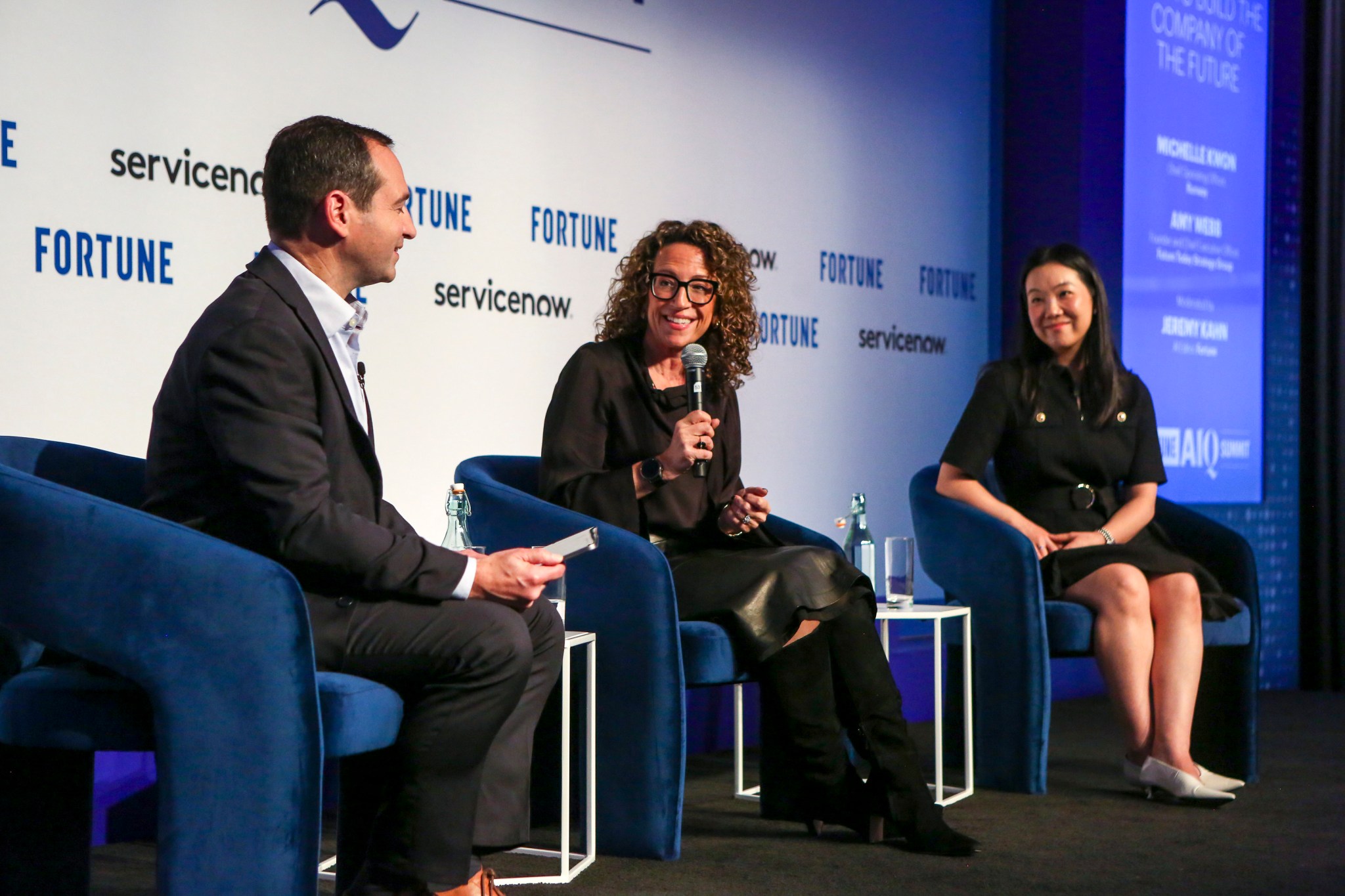
At Fortune's AIQ Summit held at the New York Stock Exchange, executives from various sectors discussed the crucial difference between merely deploying AI tools and truly transforming operations through the technology. The key themes identified were moving from experimentation to enterprise transformation, building an AI-ready workforce, managing governance, trust and risk, applying AI in physical and regulated environments, and measuring ROI and controlling costs for growth.
Leaders emphasized that AI adoption does not automatically result in productivity or business value. Instead, successful companies focus on changing how work is done, not just on implementing technology. Diana David, Director of Futures at ServiceNow, highlighted that leading organizations invest heavily in ongoing AI upskilling, while only a small percentage of organizations do so. The biggest gap lies in talent acquisition, hiring, and retention - 68% of pacesetters do this compared to only 10% of others.
Paul Fipps, President of Global Customer Operations at ServiceNow, stressed that the real gains come from redesigning business processes around AI capabilities rather than merely automating existing ones. Standard Chartered's adoption of AI helped deflect 77% of employee requests, with larger deflection rates yielding more transformative results.
Amy Webb, Founder and CEO of Future Today Strategy Group, cautioned that many Fortune 500 companies are late to the AI party and are investing in pilots without proper strategy or planning, leading to isolated failures.
To truly succeed with AI, organizations must become AI-ready by changing how they work. Stacy Dillow, Executive Vice President and Chief People Officer at HPE, stressed that companies need to rethink their processes instead of simply retrofitting existing ones with AI. Employees must be willing to learn new skills, question assumptions, and adapt quickly.
Michelle Kwon, Chief Operating Officer at Runway, warned against confusing AI volume with productivity, advocating that AI should improve work outcomes rather than adding additional tasks.
Written by urgent.news from Fortune's reporting — not their text. Machine-written — may contain errors; check the original before relying on it.