Black Stars: Two decades of coaching triumphs and turmoil (2006–2026)
IntroductionFor two decades, the Ghana Black Stars have been a mirror of the nation’s footballing hopes and frustrations. From the euphoric highs of the 2006 World Cup debut and the unforgettable 2010 quarter-final run, to the sobering lows of recent tournament exits and coaching instability, the team’s journey has been defined as much by its […]
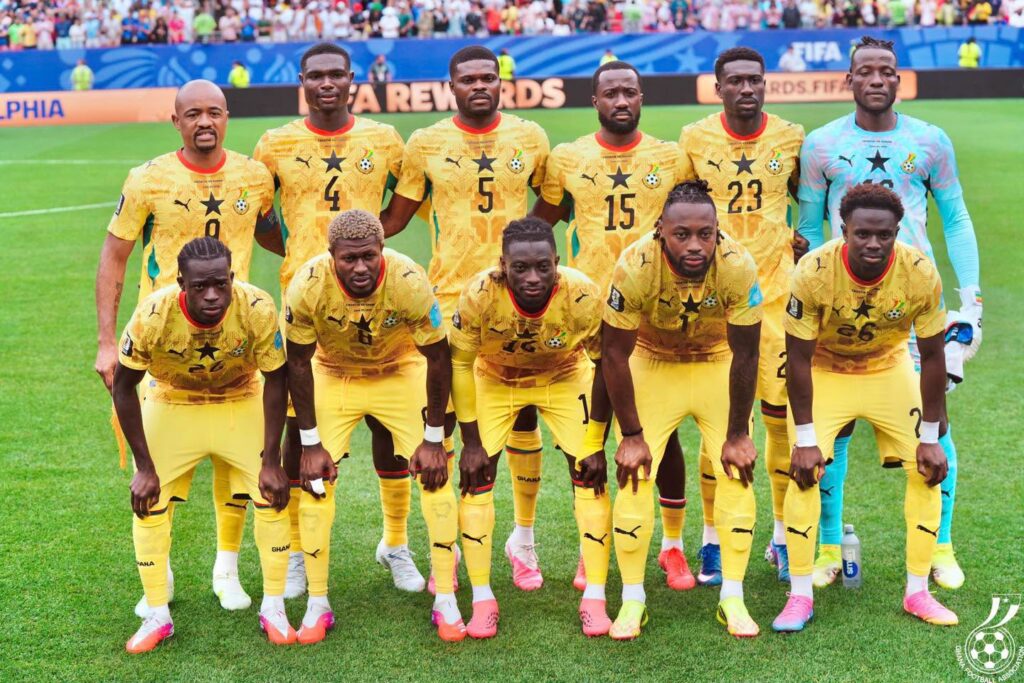
From the year 2006 to 2026, Ghana's national football team, known as the Black Stars, experienced a tumultuous relationship with its coaches. Throughout this two-decade period, the team underwent thirteen different coaching regimes, each bringing its unique approach to the pitch. These coaches were instrumental in shaping the Black Stars' journey through triumphs and tribulations on the international stage.
At the beginning of this era, Ratomir Dujković led Ghana to their first-ever appearance in a FIFA World Cup in Germany. Dujković implemented a disciplined 442 formation, focusing on a compact defense and swift counter-attacks. Although Ghana was eliminated in the Round of 16 after a narrow defeat to Brazil, Dujković's tenure marked a significant milestone for the Black Stars.
Following Dujković, Claude Le Roy took charge and introduced a more adventurous style of play. Le Roy's emphasis on wing play and high-pressing football led Ghana to a bronze medal at the 2008 African Cup of Nations (AFCON) held in their home country, demonstrating that Ghana could compete with other African football powerhouses.
The Golden Era arrived with Milovan Rajevac, who held the coaching position from 2008 to 2010. Rajevac emphasized defensive solidity and quick transitions, leading Ghana to a remarkable achievement by reaching the 2010 AFCON final. The team’s quarter-final run at the 2010 FIFA World Cup in South Africa further solidified Rajevac's legacy as a successful coach. However, Ghana's subsequent years saw a decline in performance, with frequent coaching changes that often resulted in instability and inconsistency.
In the years following Rajevac, Ghana experienced a plateau in success. Koša Stevanović and Kwesi Appiah both struggled to replicate the success of the golden era. Stevanović's tactical focus on attacking midfield play lacked defensive balance, while Appiah's emphasis on youth development and tactical flexibility resulted in mixed results. Despite Appiah's efforts, Ghana faced internal disputes and a disappointing group-stage exit at both the 2013 AFCON and the 2014 World Cup.
From 2017 to 2022, Ghana continued to struggle with coaching instability. Kwesi Appiah returned for a second stint, but his attempts to modernize Ghana’s pressing game were met with limited success. Charles Akonnor, who followed Appiah, aimed to evolve Ghana’s style of play but faced challenges in maintaining team cohesion. The appointment of Milovan Rajevac in 2021 was seen as a potential turning point, but his outdated tactics and inability to overcome Ghana's underlying issues led to a disastrous AFCON 2021 campaign.
This marked a pivotal moment for the Black Stars, as they transitioned from being feared giants to vulnerable participants.
In the latter part of this period, Ghana's performance continued to decline. Otto Addo, who coached Ghana from 2022 to 2023, focused on integrating youth talent but fell short of expectations as the team exited at the group stage of the 2022 World Cup. His second term saw marginal improvement, with Ghana reaching the Round of 32 at the expanded 2026 World Cup.
However, Chris Hughton's stint from 2023 to 2024 was marked by defensive organization but a lack of attacking creativity, resulting in another group-stage exit at the 2023 AFCON.
The penultimate chapter in this era was Carlos Queiroz's short tenure from 2026. Queiroz, a seasoned tactician, resigned after just seven matches, citing poor infrastructure and inadequate training facilities as the primary reasons for his departure. His resignation highlighted a critical issue that plagued Ghana's football development: the lack of a permanent national training base.
Coaches have been forced to prepare teams on match pitches, which compromises playing surfaces and undermines tactical preparation. Furthermore, the Ghana Football Association (GFA) has often prioritized short-term fixes over long-term planning, with frequent coaching changes, limited investment in sports science, and insufficient youth and coaching development structures contributing to the team's struggles.
The Black Stars' journey from 2006 to 2026 offers several critical lessons. Stability appears to be paramount, as coaches like Rajevac thrived under continuity and tactical clarity. The importance of infrastructure cannot be overstated, as even world-class coaches struggle to implement their systems without modern facilities. Local integration of international talent is also crucial, as coaches must balance global experience with domestic league monitoring to ensure a strong talent pipeline.
Lastly, governance reform is essential, with the need to reduce management committees, align with international standards set by CAF and FIFA, and prioritize transparency in decision-making processes.
In conclusion, the story of Ghana's coaches from 2006 to 2026 illustrates the complex interplay between tactical acumen, infrastructure, and governance in shaping the Black Stars' performance on the international stage. While several coaches have brought brilliance and success, the recurring challenges of instability, inadequate facilities, and governance issues have hindered Ghana's progression to greater heights in international football.
Written by urgent.news from MyJoyOnline Ghana's reporting — not their text. Machine-written — may contain errors; check the original before relying on it.