As Colombo heats up, passive cooling offers a low-energy solution — but at a cost
COLOMBO — Fathima Rinoza lives on the fourth floor of a 14-story apartment block in Dematagoda, a suburb of Sri Lanka’s commercial capital, Colombo. She rarely keeps the two windows in her house open for long. The heat becomes unbearable by midday, she says, and the surrounding buildings obstruct wind flowing in the direction of […]
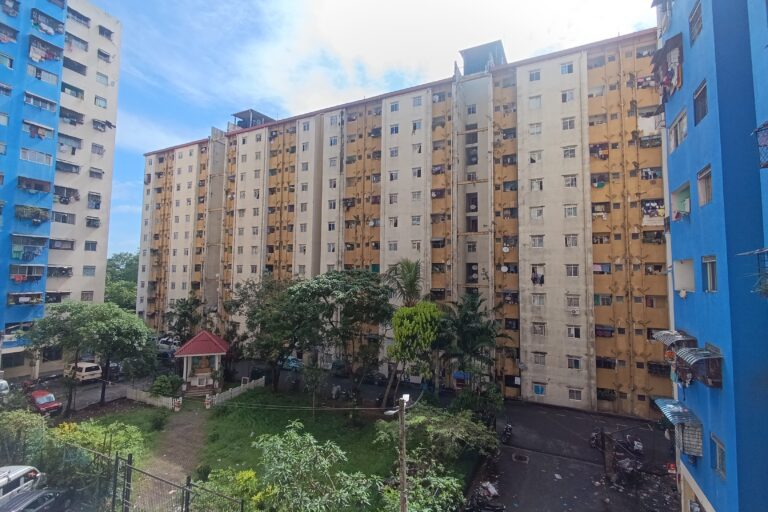
COLOMBO — Fathima Rinoza, a resident of Dematagoda, a suburb of Sri Lanka's commercial hub Colombo, faces extreme heat and poor ventilation in her apartment block. The stench from litter discourages her from keeping windows open for extended periods, making it challenging to rely on natural cooling methods. Rinoza uses fans almost continuously throughout the day to maintain a livable temperature.
The urban residential sector accounts for nearly a third of Sri Lanka's total energy consumption, primarily used for heating and cooling buildings, lighting, devices, and appliances. In response to rising heat and energy demand, Sri Lanka is increasingly exploring passive-cooling methods, which utilize natural energy flows like wind and shade to lower indoor temperatures.
Passive cooling strategies involve designing buildings that harness natural ventilation and shading to maintain comfortable indoor temperatures without relying heavily on mechanical cooling systems.
Written by urgent.news from Mongabay's reporting — not their text. Machine-written — may contain errors; check the original before relying on it.