Amazon wildfires hide another threat to the rainforest
Amazon wildfires are weakening the rainforest’s ability to absorb carbon, as ozone pollution damages trees that survive the flames. The post Amazon wildfires hide another threat to the rainforest first appeared on EarthSky .
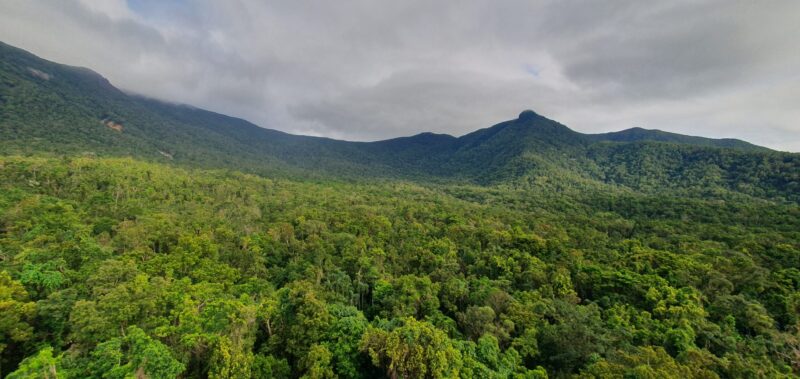
Tropical rainforests are among the most biodiverse ecosystems on Earth and play a crucial role in regulating the global carbon cycle. A recent study on Amazon wildfires has revealed a hidden threat to these vital ecosystems: ozone pollution produced during wildfires can damage the leaves of surviving trees, reducing their ability to absorb carbon dioxide (CO2).
This secondary impact of wildfires extends beyond the direct loss of vegetation and can exacerbate carbon loss during periods of extreme drought. The study, conducted by researchers from the University of Exeter, ETH Zurich, and James Cook University, was published in the journal Communications Earth & Environment. Almost all Amazon wildfires are ignited by humans for purposes such as clearing land for agriculture and cattle ranching.
However, these human-induced fires can escape control and spread into adjacent rainforest areas, causing widespread destruction. While wildfires release significant amounts of CO2 when forests burn, they also generate pollutants responsible for the formation of tropospheric ozone. This ozone, found in the lowest layer of the atmosphere, is harmful to both human health and vegetation.
Unlike ozone in the stratosphere, which protects against ultraviolet radiation, tropospheric ozone damages the leaves of surviving trees, diminishing their capacity to absorb CO2. The researchers estimate that this additional carbon uptake reduction is equivalent to about 24% of the carbon released directly by wildfires. Lead author Flossie Brown from ETH Zurich emphasizes that the effects of wildfires extend far beyond the immediate combustion of trees, as ozone pollution weakens surviving trees and impairs their ability to continue absorbing carbon.
To investigate this phenomenon, the research team analyzed observations from 1997 to 2024 and utilized a global vegetation model to examine the relationship between wildfires, ozone damage, and the Amazon's carbon absorption capacity. The findings indicate that this ozone-induced carbon loss can become more severe during intense droughts and El Niño events, which are associated with heightened global temperatures and altered weather patterns.
The study highlights that while human activities are primarily responsible for Amazon wildfires, climatic conditions can intensify their impact. Severe droughts, such as those experienced during the 1997–1998, 2015–2016, and 2023–2024 El Niño events, have coincided with heightened ozone-related damage in the rainforest. The researchers warn that a severe El Niño event could exacerbate the already concerning situation.
However, it is essential to distinguish between the role of climate phenomena like El Niño and the root cause of deforestation. While El Niño can intensify the damage caused by wildfires, the underlying factors such as deforestation and burning remain critical issues that require direct intervention. The study underscores the need for a comprehensive approach to protecting the Amazon rainforest, which includes preventing further deforestation and forest degradation, thus mitigating both direct fire emissions and the secondary carbon loss resulting from ozone pollution.
By addressing both aspects, efforts to preserve the Amazon can be more effective in mitigating its vulnerability to carbon emissions.
Written by urgent.news from EarthSky's reporting — not their text. Machine-written — may contain errors; check the original before relying on it.