7 extraordinary Indigenous sites in the US, from Chaco Canyon to Chimney Rock
The Native Americans built impressive sites across what is now the U.S., including Walnut Canyon and Cahokia.
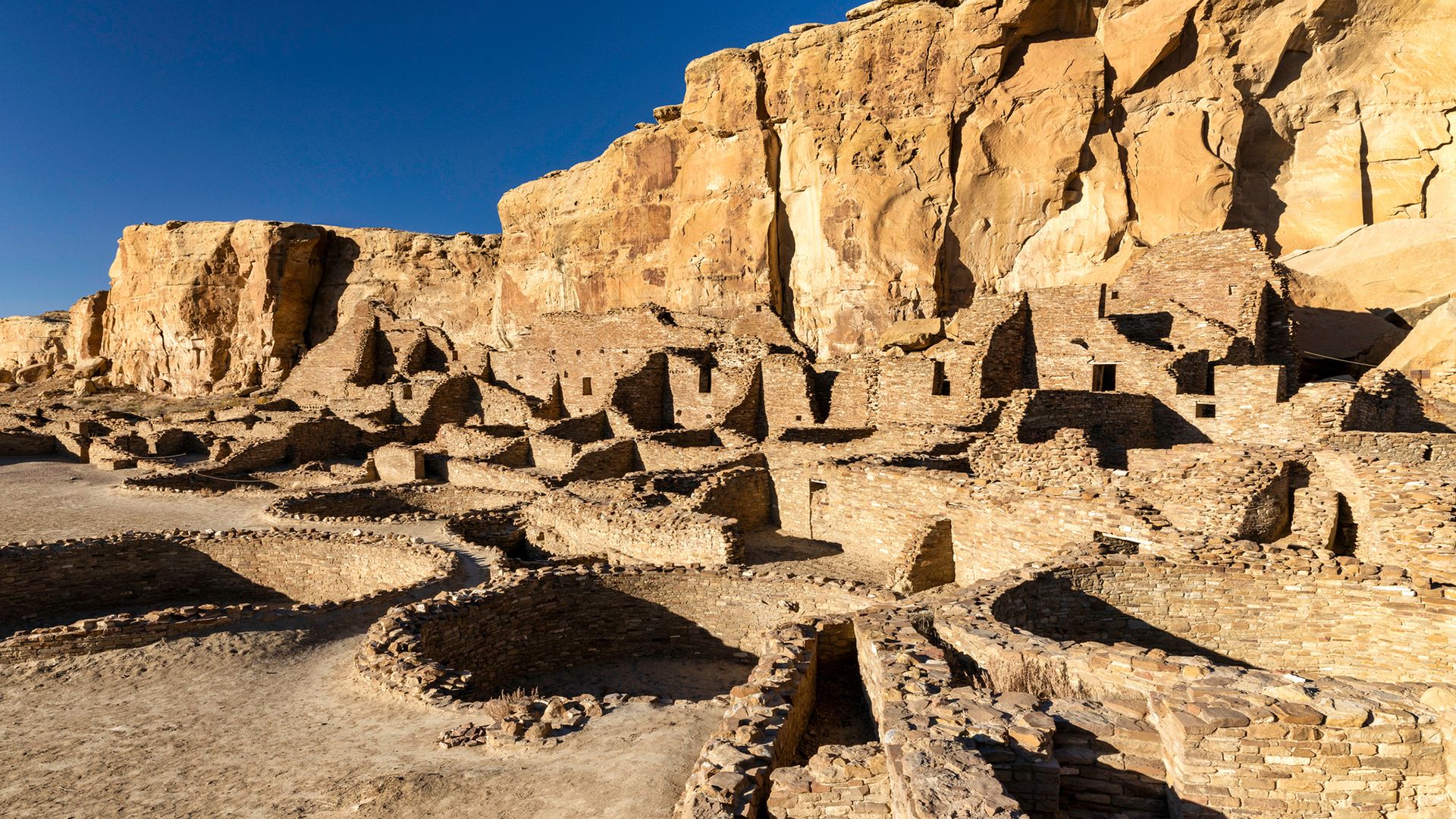
1. Chaco Canyon, located in New Mexico, served as the political and ceremonial center for the Ancestral Puebloan people between 850 and 1250 AD. This ancient settlement was home to over 600 rooms and 35 kivas, constructed using over 200,000 timber beams imported from distant mountains. The town was connected by a road network spanning more than 400 miles, and evidence of trade with distant regions has been found, including imported Mesoamerican macaws and cacao.
2. Cahokia, Illinois, was once the largest Indigenous American settlement north of Mexico, with a population of up to 40,000 people in AD 1100. Residents lived in wattle and daub houses within a town featuring large public plazas, wooden palisades, and dozens of ceremonial earthen mounds. The Mitchell Log, a 5-ton tree transported from over 110 miles away, stands as a testament to the cultural exchange that occurred at this site.
Now a UNESCO World Heritage site, Cahokia includes Monks Mound, a 100-foot-tall terraced earthwork, and a reconstructed woodhenge that tracks solstices and equinoxes.
3. Mound Key, a shell island in Estero Bay, Florida, once served as the thriving maritime city of the Calusa people before European arrival in the 16th century. The artificial mounds, composed of millions of shells, are up to 30 feet above the water and continue to serve as a testament to the island's historical significance.
4. Sitka National Historical Park in Alaska preserves the battlefield of the 1804 Battle of Sitka, where Tlingit warriors defeated Russian troops after they encroached on tribal territory by building a fort in 1802. The Tlingit destroyed the enemy fort and expelled the Russians, only to be forced to abandon their own fort when bombarded by Russian ships in 1804. This historical event marked the beginning of the formal American ownership of Alaska, which was purchased from Russia in 1867.
5. Walnut Canyon, located in Arizona, preserves more than 80 cliff dwellings constructed by the Northern Sinagua people between AD 1125 and 1250. These dwellings were built within natural caves in limestone cliffs, providing insulation against cold and heat while offering defense. The site can be reached via a walking trail through a deep limestone and sandstone gorge, showcasing the Sinagua's ingenious water management techniques as they farmed crops on the canyon rim and collected water from the river below to fill cisterns.
6. Chimney Rock, a single feature within a large forest in Colorado, is part of a larger archaeological site containing over 80 ancient structures. This site, often overshadowed by nearby Pikes Peak, offers a unique glimpse into the heritage of Indigenous Americans in Colorado and how they adapted to the region's environment.
Written by urgent.news from Live Science's reporting — not their text. Machine-written — may contain errors; check the original before relying on it.