What is a homemaker’s work worth? Indian courts have an answer
In January 2021, Kamal Haasan, a former actor turned politician, pledged to pay India's homemakers for their unrecognized and unmonetized work. This sparked a debate about whether the promise was progressive or regressive. Nine years prior, Goa had implemented a scheme to pay married women a monthly allowance through the Griha Aadhar scheme, without labeling it as payment for housework.
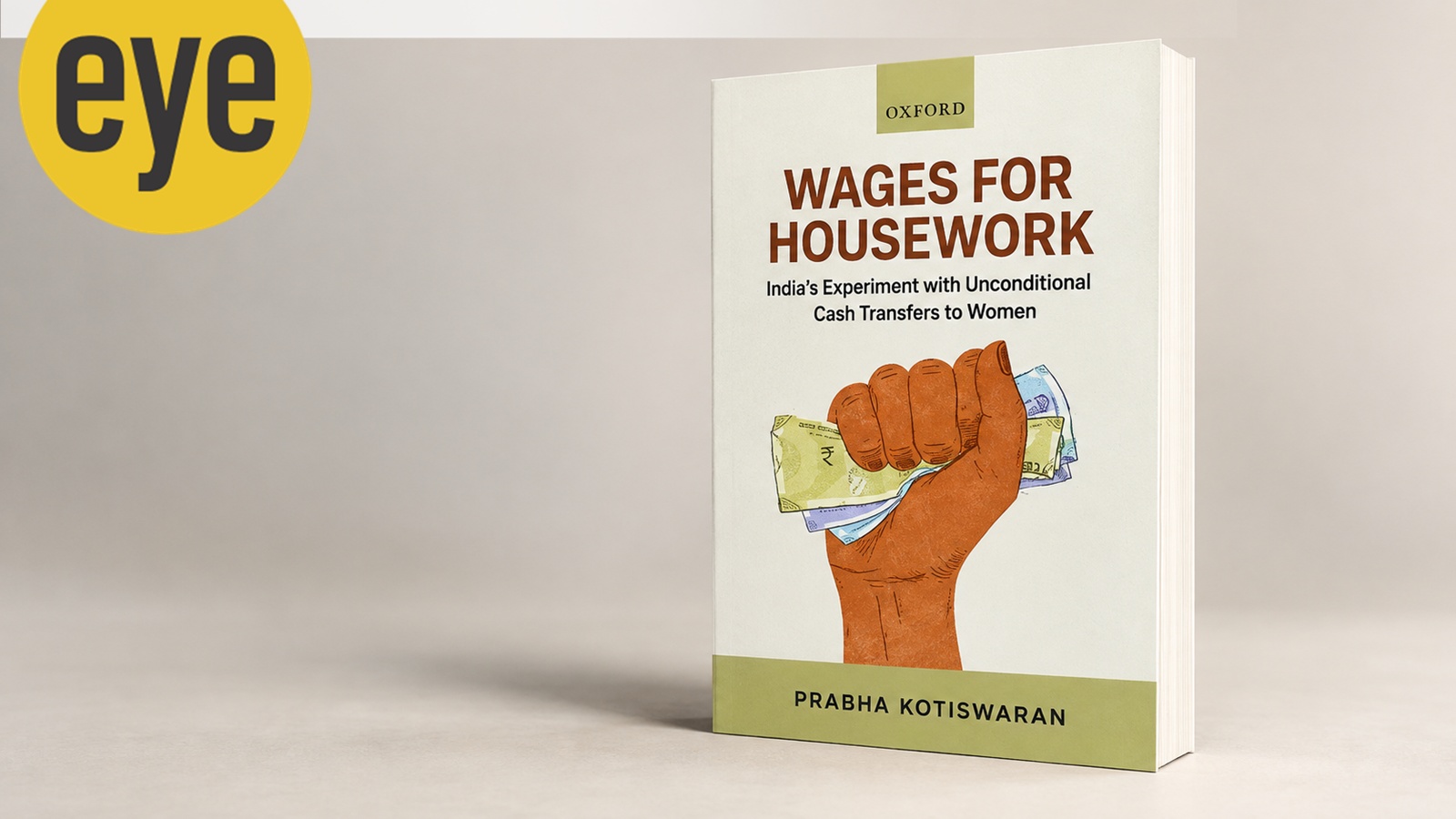
Prabha Kotiswaran's book, "Wages for Housework," examines whether the cash-transfer schemes across India's 12 states collectively fulfill the argument first proposed over 80 years ago. Kotiswaran delves into the origins of the argument to the Wages for Housework (WFH) campaign in 1972, which argued that capitalism relies on unpaid female labor whose exploitation remains invisible until priced.
However, the campaign's founders considered the demand primarily as a political perspective and revolutionary strategy for recognition of housework rather than a financial payout for housewives. The book connects the WFH movement to the All India Women's Conference (AIWC) in India, which argued that homemakers' unpaid labor was economically equivalent to their husbands' factory wages over three decades before the WFH campaign.
This connection highlights today's cash transfers as an overdue return to the past rather than a foreign import. The book also explores the use of tort law to quantify women's unpaid work and examines various stakeholders' perspectives on the impact of cash transfers on women's employment and education prospects. Despite the concerns that transfers may discourage girls' schooling or pull women from the workforce, the evidence from the three states studied does not provide a unanimous answer.
The final chapter expands the discussion beyond unpaid reproductive labor to include nurses, teachers, domestic workers, and government scheme workers, advocating for initiatives such as surveys to account for women's unpaid work, investments in physical and care infrastructure to reduce the burden of domestic and care work. Ultimately, the book argues that the true test of these schemes will be whether women's labor is recognized and counted as valuable work.
Written by urgent.news from The Indian Express's reporting — not their text. Machine-written — may contain errors; check the original before relying on it.