Unsung turtle conservation heroes in Malaysia’s Sabah unite to fight poachers
Roziah Jelali has a tip or two on catching a turtle poacher: carrying a pair of binoculars and having patience in spades are key to doing the job well. The 36-year-old Malaysian volunteer ranger once spent three months in Sabah tracking a man whom she suspected of illegally capturing protected turtles. Once thriving off the azure seas of Omadal Island in the Malaysian state, many turtles had been…
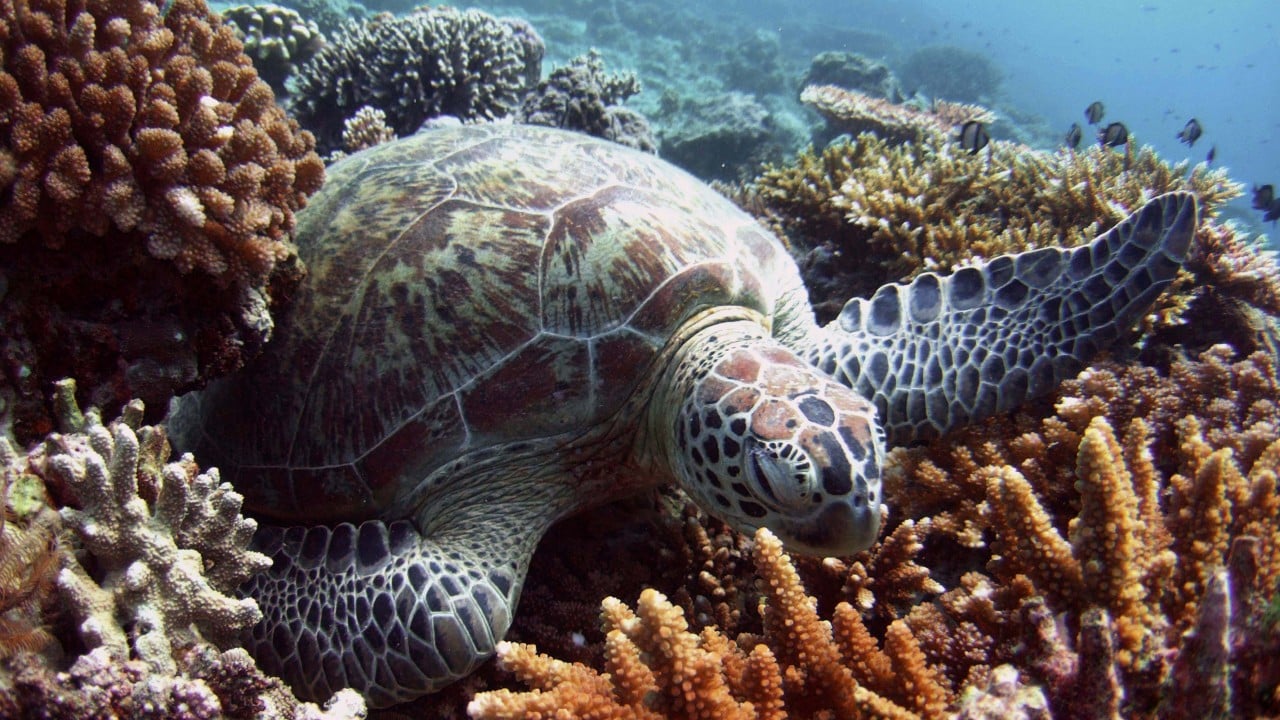
In Malaysia’s Sabah state, a group of unsung heroes are battling poachers who hunt and sell protected turtles. Roziah Jelali, a 36-year-old volunteer ranger, has spent three months tracking a poacher on Omadal Island, where she noted his movements and caught a live turtle before assisting authorities in apprehending the criminal. Roziah learned her anti-poaching skills through training from the Wildlife Department and WWF Malaysia.
Zainab, the chairwoman of the Women’s Association of Omadal Island (WAPO), and another volunteer ranger, Roziah, are part of a dedicated team working to protect marine life around the island. They weave pandan leaves into mats and baskets when not fighting poachers. Their husbands are fishermen who rely on the sea’s sustainability.
Sea turtles are fully protected under Sabah’s wildlife conservation laws since 1997. They play a crucial role in maintaining a healthy marine environment, as their grazing helps seagrass meadows grow, which stores carbon and supports fish and shellfish. Turtle nesting also prevents predators from attacking eggs and maintains nutrient balance with beaches. However, illegal trading remains a significant threat to these turtles.
Sea turtles traverse the Sulu-Celebes Seas, which serve as a trafficking corridor between Malaysia, the Philippines, and Indonesia. The waters surrounding Sabah account for most of the illegal wildlife trade activities involving turtles. Despite active enforcement by Malaysian authorities, the state remains a hotspot for illegal turtle trade.
Law enforcement agencies face a daunting challenge in patrolling the vast Sulu-Celebes Seas due to the vast area, hazardous conditions, and well-established networks among fishers, cargo vessels, and intermediaries. Roziah and Zainab consider their roles as complementary to those of enforcement agencies, aiming to boost Malaysia’s turtle population and conserve other species.
Written by urgent.news from South China Morning Post's reporting — not their text. Machine-written — may contain errors; check the original before relying on it.