U.S. health secretary Kennedy launches new push on vaccine injuries
Kennedy has long argued that chemicals in vaccines are dangerous, though experts say there is no evidence of harm
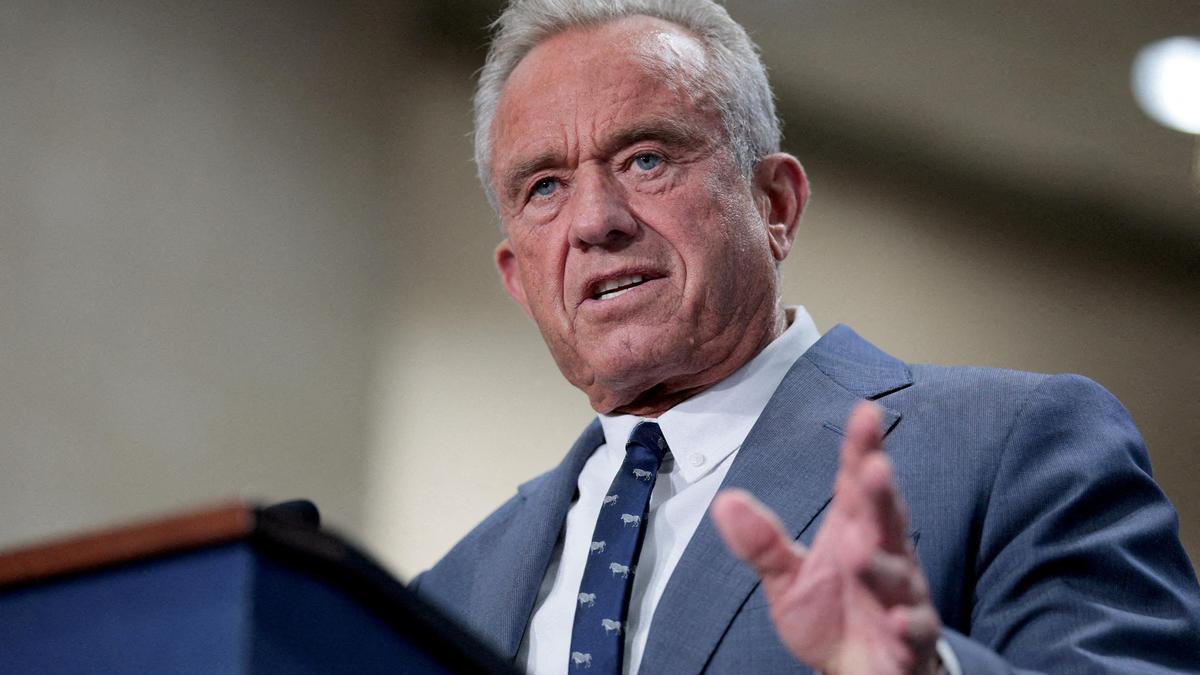
U.S. Health Secretary Robert F. Kennedy Jr. has launched an agency-wide effort to study and document health issues reported after vaccination, according to the Department of Health and Human Services. This initiative comes as part of Kennedy's decades-long campaign questioning vaccine safety, which began when he founded an anti-vaccine group before assuming his current role.
The American Academy of Pediatrics maintains that childhood vaccines undergo rigorous testing and surveillance post-approval. The federal Vaccine Injury Table lists 14 compensable injuries out of 16 vaccine types under the Vaccine Injury Compensation Program, a no-fault system where claimants file against the government, not manufacturers.
Since 1988, the program has awarded approximately $5 billion across around 12,300 injury and death claims. The new measures, perceived as extensions of Kennedy's past vaccine skepticism, occur as he confronts legal battles against efforts to modify U.S. childhood vaccination schedules and faces growing public health concerns over declining immunization rates, especially against measles, which has resurfaced in the U.S. since the previous year.
The initiative is anchored at a National Institutes of Health clinic established on Monday to treat and examine individuals reporting health problems following vaccinations. Additional actions encompass a proposal by the Centers for Medicare & Medicaid Services to reimburse physicians for reporting suspected injuries to the CDC's Vaccine Adverse Event Reporting System (VAERS), a CDC endeavor to refine VAERS, and HHS mandating electronic health records to capture vaccine-related adverse events.
Kennedy has asserted that U.S. children receive an excessive number of vaccines, falsely claiming up to 90 doses by age 18, a claim echoed by President Donald Trump. He has repeatedly argued that chemicals in vaccines pose a danger, despite expert consensus to the contrary. In his first year as HHS Secretary, Kennedy dismissed all 17 independent experts on the CDC's vaccine advisory committee and appointed new panelists, many of whom shared his anti-vaccine stance.
In January, the CDC announced a revamped childhood vaccine schedule, reducing recommended vaccines and dropping universal recommendations for several immunizations. A federal court issued a preliminary injunction in March blocking certain aspects of the revised schedule, ruling that Kennedy and HHS had infringed federal law in reshaping the CDC's Advisory Committee on Immunisation Practices.
The injunction has halted ACIP from convening meetings to offer immunization recommendations often required for insurance coverage.
Written by urgent.news from The Hindu Health's reporting — not their text. Machine-written — may contain errors; check the original before relying on it.
This story
This is one outlet's version. Read the fullest account.