Putin aide looks to boost Russian shipbuilding ties with China during visit
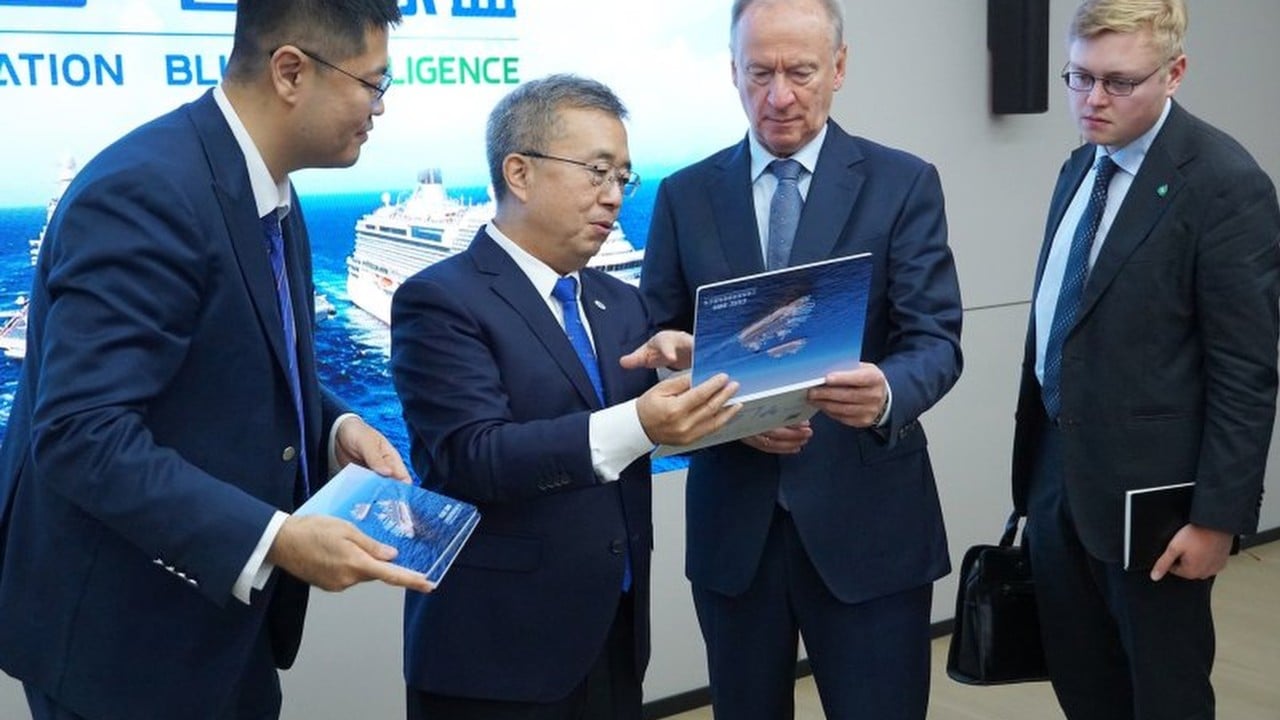
Russia is looking to expand shipbuilding cooperation with China through technology partnerships and joint investment, visiting presidential aide and Maritime Board chairman Nikolai Patrushev said. Patrushev held talks in Beijing with Ke Jixin, Chinese vice-minister of industry and information technology, the Russian Maritime Board said in a statement on Saturday. It said the two sides discussed…
Ukrainian President Volodymyr Zelensky criticized Donald Trump's announcement of a deal involving the import of Russian diesel into the United States. Zelensky deemed it a gift to Russian President Vladimir Putin, essentially funding a war that should be concluded rather than prolonged. His stance was swiftly supported by Ukraine's European allies.
Trump stated that Russian President Vladimir Putin had agreed to release 300,000 tonnes of diesel immediately to the American and global market, followed by 500,000 tonnes in November and an additional one million thereafter. The US Treasury has temporarily suspended sanctions on Russian diesel exports until April 7th as part of the deal, though other assets, including those held in American banks, remain frozen.
Trump further claimed that three million more tonnes would be delivered "within a short period," contingent on the refineries' condition, which have been targeted by Ukraine. Putin later announced that Russia, having imposed a ban on diesel exports earlier, was prepared to supply both the US and global markets with oil and petroleum products, without specifying exact quantities.
Zelensky responded by suggesting that Russia would repay the diesel with "further terror." He urged America to support Ukraine's defense against "further terror" and to engage in a robust conversation with Russia, rather than a weak one. Analysts questioned Russia's capacity to supply such a substantial quantity of diesel and the potential impact on US consumer fuel prices.
Investment strategist Tim Armitage from Quilter Cheviot noted that the numbers mentioned by Trump were "relatively small," with the first tranche equating to approximately 2.25 million barrels, and daily US consumption around 3.8 million barrels. Armitage suggested that the deal might be a desperate attempt by Trump to reduce inflation ahead of the midterm elections.
Former Institute of Fiscal Studies director Paul Johnson attributed the fuel price issue to the war in the Middle East, criticizing Trump for creating the problem himself. The White House requested information on what Russia would receive in return for the US commitment. This agreement has sparked criticism from European allies and pro-Ukraine politicians in the US, accusing Trump of aiding Moscow's war efforts.
The EU's foreign affairs chief Kaja Kallas argued that suspending sanctions provides Russia with more funds to continue the war, stating that Europe would not soften the pressure on Russia. The UK government reiterated its stance, committed to supporting Ukraine and imposing the toughest sanctions against Russia, thereby increasing the cost of Putin's aggression and pushing for a lasting peace.
This announcement is the latest effort by Trump to lower fuel prices in the US, following the Iran war, which has significantly impacted petrol and diesel prices, negatively affecting American public sentiment. As of now, the average diesel price in the US stands at $6.28 (£4.74) per gallon, down from the record high of $6.53 recorded at the end of September.
Shortly after Trump's announcement, the US Treasury issued a temporary license for Russian diesel to enter the market. Putin claimed to have discussed the global energy situation with Trump on Friday, confirming Russia's willingness to supply oil and petroleum products to the US and global markets. Putin's envoy, Kirill Dmitriev, welcomed the deal on social media, stating that Russia-US cooperation on diesel and energy would benefit the world.
In 2023, Russia experienced two waves of severe fuel shortages due to Ukrainian drone strikes on Russian oil refineries, reducing its diesel production by nearly 30%. Despite Trump's criticism of these attacks, Zelensky defended them, claiming they were a response to Russia's longstanding terror campaign against Ukraine's energy sector.
Rewritten by urgent.news; may contain errors — check the original.
Sources: scmp.com · capitalfm.africa · ukrinform.net
This story
This is one outlet's version. Read the fullest account.