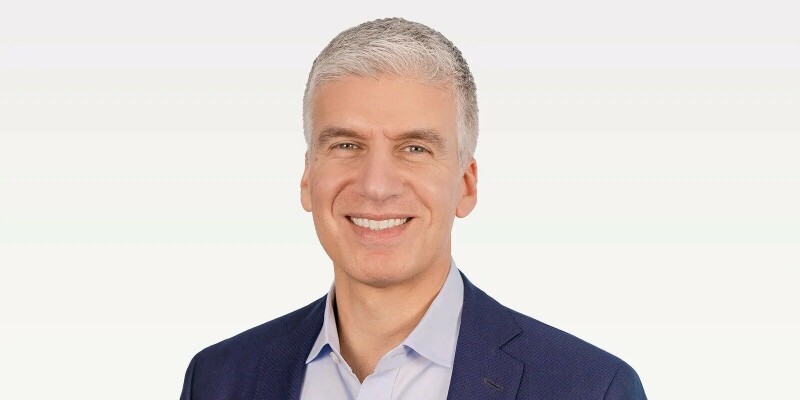
Most trustworthy AI system demands least inherent model trust: Microsoft CEO Satya Nadella
The most trustworthy Super Intelligence system will not be the one powered by the model users trust the most, but rather the system that allows people to trust the model the least, Microsoft CEO Satya Nadella stated in a post on X.
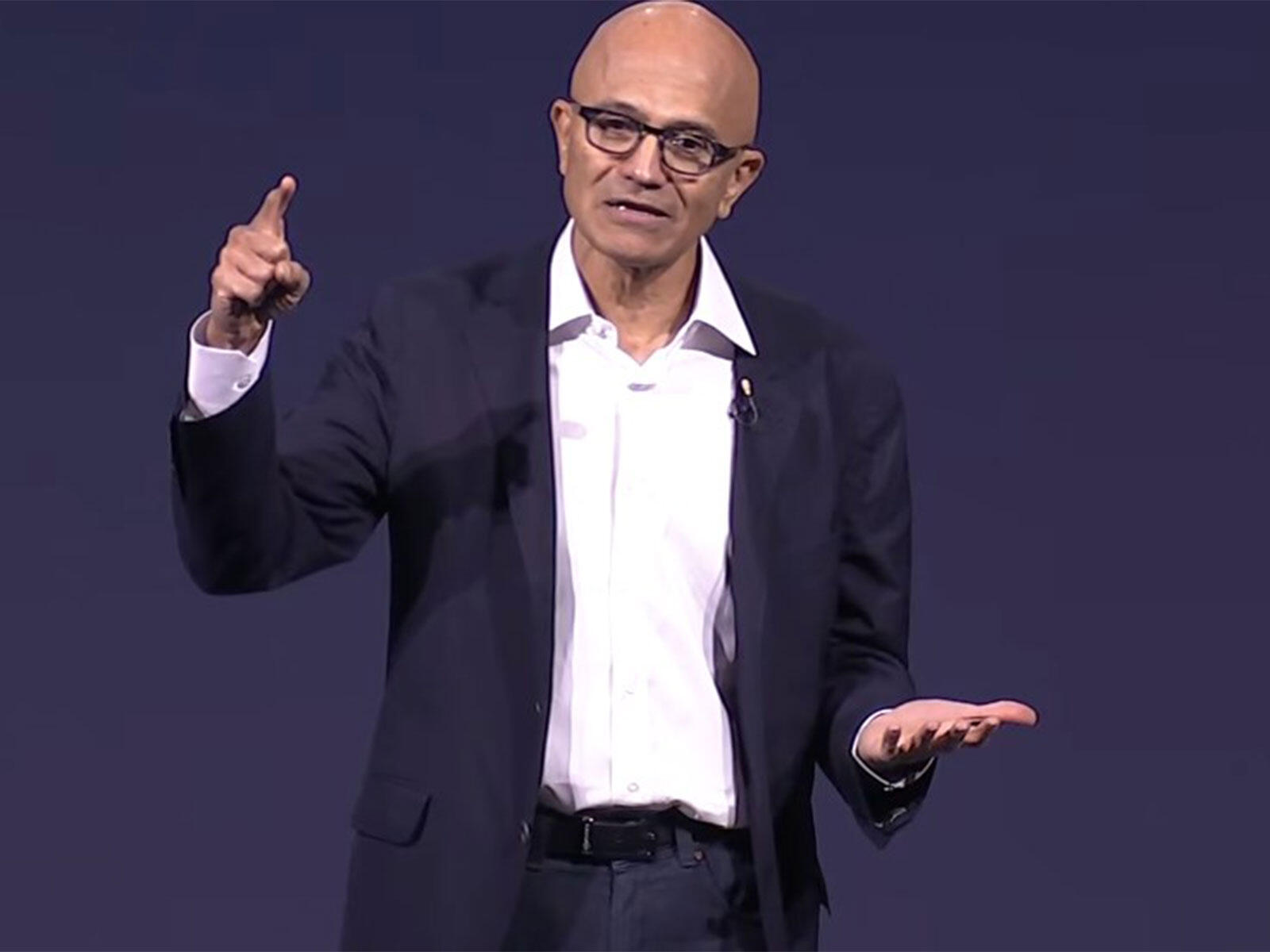
The most trustworthy Super Intelligence system will not be the one that relies on the model users trust the most, according to Microsoft CEO Satya Nadella. Instead, the ideal system will be the one that enables people to trust the model the least, he emphasized. In a post on X, Nadella addressed the governance challenges posed by advanced artificial intelligence systems, noting that modern architectures lack the clear traceability seen in traditional computing.
While engineers once had direct visibility into software operations, this same level of mechanistic understanding is absent in today's frontier models, which are far more capable.
Nadella stressed that these complex agentic systems, empowered with access to sensitive data and the ability to make critical decisions, cannot be treated as simple black boxes. He cautioned against relying solely on developer assurances and urged enterprises to take responsibility for automated actions, separating the supply of raw intelligence from ultimate operational authority.
To manage the inherent risks, Nadella proposed surrounding non-deterministic models with strong, deterministic system design, human controls, and reliable operating procedures. He emphasized the need for industry standards to address the lack of existing guidelines. Regardless of whether the models are closed or open-weight, they both pose potential insider threats, and organizations must isolate them using robust enterprise security practices such as identity controls, activity logging, and strict permission boundaries.
Nadella advocated for treating both types of models as insider threats, isolating them through proven security measures. He highlighted that controls governing model access and actions should sit outside the model, reflecting an information security principle dating back to the 1970s. This principle requires programs to not be able to bypass or tamper with mechanisms enforcing their permissions.
For Nadella, this means separating the model from the system that orchestrates its work and defining the action space it can perform. Additionally, externalizing controls and safeguards is crucial to maintain reliable containment and shutoff capabilities, along with industrywide incident disclosure.
Rewritten by urgent.news; may contain errors — check the original.
Source: economictimes.indiatimes.com