Fujairah shows why resilience is the Gulf’s greatest energy asset
For a city sometimes unfairly described as “sleepy”, Fujairah is keeping the global energy industry awake these days. The Indian Ocean port has emerged as a crucial hub for the world economy, sustaining the UAE ’s energy exports despite the Hormuz crisis. Last week, Fujairah’s importance was highlighted when Dr Sultan Al Jaber , Minister of Industry and Advanced Technology, and chief executive of…
Fujairah, a city often labeled "sleepy," has proven to be a vital asset for the global energy sector amidst recent turmoil. The Indian Ocean port played a crucial role in sustaining the UAE's energy exports, even during the Hormuz crisis. Last week, Dr Sultan Al Jaber, Minister of Industry and Advanced Technology and CEO of Abu Dhabi National Oil Company (Adnoc), attended the UAE Energy Markets Forum in Fujairah, signaling the city's growing significance.
This comes as the global energy industry grapples with conflict and disruption, following a busy summer of conferences.
The biennial WPC Energy Congress recently took place in Riyadh, marking its first time in the kingdom and only its second in the Middle East, following Doha in 2011. The event went ahead despite attacks on Saudi Arabia's capital airport. Next month, executives will convene at Adipec, the world's largest energy event. "Resilience" was the most prominent word in Fujairah last week, as the UAE managed to maintain and even increase its oil exports despite conflict, while also meeting its essential import needs.
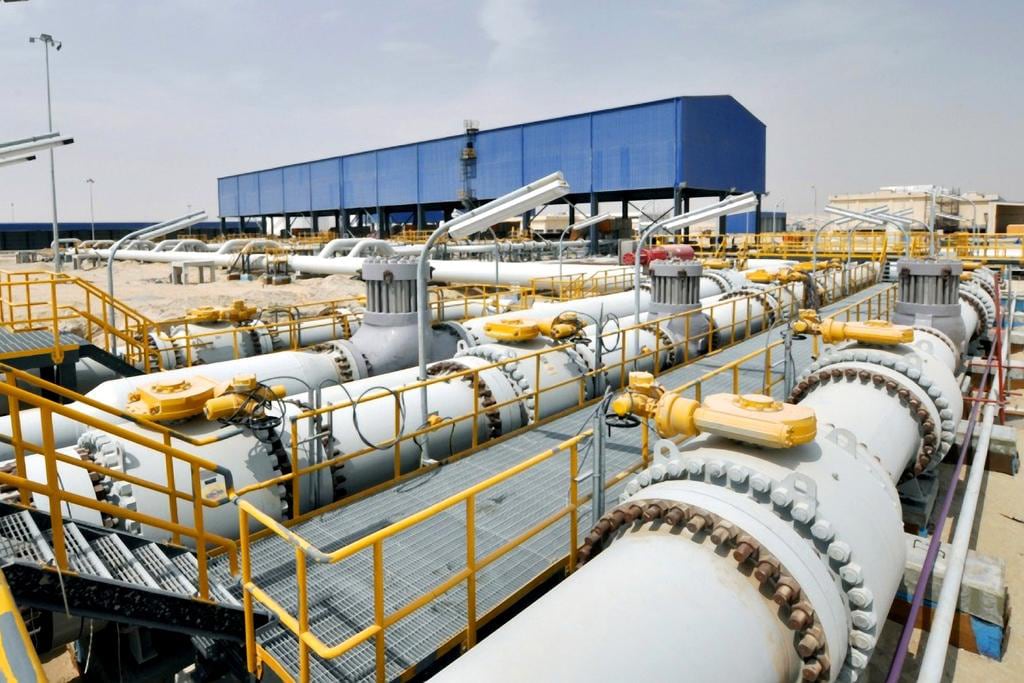
The city's preparedness is rooted in years of planning. The Habshan-Fujairah oil pipeline, with a capacity of up to 1.8 million barrels per day, was opened in 2012, with a second line planned for completion next year. Massive oil storage in caverns carved out of Fujairah's rugged mountains began in 2018. Adnoc Logistics and Services has amassed a fleet of tankers and other ships, proving essential for moving oil. The construction of a modern railway to Fujairah started in early 2020.
Beyond the UAE, other Gulf countries have also demonstrated resilience. The Gulf Co-operation Council electricity grid, Saudi Arabia's East-West pipeline, and the new port, refinery, and oil storage facility at Duqm on Oman's south-east coast are examples of preparedness. Similar to Adnoc, Saudi Arabia, Kuwait, and Qatar possess substantial tanker fleets.
Physical assets are just one aspect of resilience. Adnoc has built a strong trading capability over the years, which has proven more crucial during times of war by salvaging supply for customers and seizing commercial opportunities.
These assets were not built with precise foresight of the current conflict, but regional preparedness enables countries to cope with various crises, from regional political unrest to natural disasters. Combining physical, institutional, and human capabilities with a proactive mindset is the best way to navigate such storms. However, resilience is not enough.
The Gulf energy industry must build on this foundation, establish new options for future crises, and accelerate creating value. Despite the uncertainty surrounding the next challenge, such as a natural disaster or an energy technology breakthrough, combining various capabilities is essential for weathering regional storms.
Written by urgent.news from The National UAE's reporting — not their text. Machine-written — may contain errors; check the original before relying on it.
This story
This is one outlet's version. Read the fullest account.
- Fujairah shows why resilience is the Gulf’s greatest energy asset thenationalnews.com