Fujairah shows why resilience is the Gulf’s greatest energy asset
For a city sometimes unfairly described as “sleepy”, Fujairah is keeping the global energy industry awake these days. The Indian Ocean port has emerged as a crucial hub for the world economy, sustaining the UAE ’s energy exports despite the Hormuz crisis. Last week, Fujairah’s importance was highlighted when Dr Sultan Al Jaber , Minister of Industry and Advanced Technology, and chief executive of…
Fujairah, a city often labelled as "sleepy," has emerged as a vital hub for the global energy industry, despite the Hormuz crisis. Minister of Industry and Advanced Technology Dr Sultan Al Jaber and Chief Executive of Abu Dhabi National Oil Company (Adnoc) attended the UAE Energy Markets Forum in the city, showcasing its significance.
This comes as the global energy sector attempts to navigate conflict and disruption following sticky summer weather. The biennial WPC Energy Congress, held in Riyadh, and Adipec, the world's largest energy event, are upcoming opportunities for industry leaders to discuss challenges and solutions.
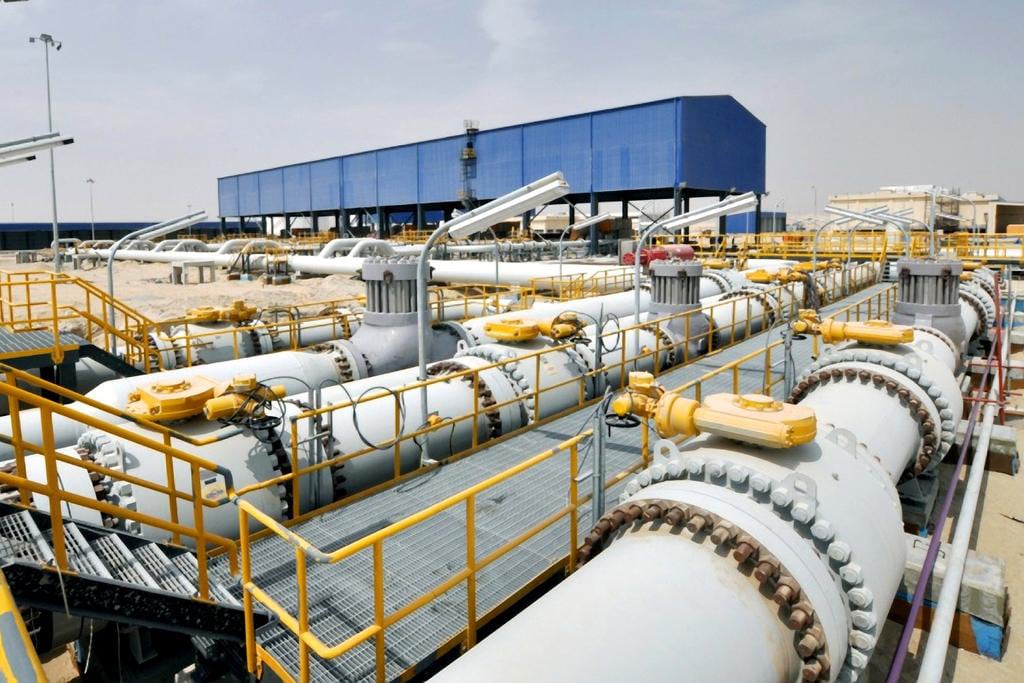
Fujairah's resilience stems from its preparedness, which dates back to years of planning. The city's Habshan-Fujairah oil pipeline, capable of transporting 1.8 million barrels per day, opened in 2012, and plans for a second pipeline are set to be completed next year. The city also boasts massive oil storage facilities in mountain caverns, construction of which began in 2018. Adnoc Logistics and Services have established a substantial fleet of tankers and ships, proving crucial in moving oil amidst supply chain challenges.
Preparedness extends beyond the UAE, with regional examples such as the Gulf Cooperation Council electricity grid, Saudi Arabia's East-West pipeline, and the new port, refinery, and oil storage facility in Duqm, Oman. Similar to Adnoc, Saudi Arabia, Kuwait, and Qatar possess sizeable tanker fleets, which contribute to regional preparedness.
Resilience is built upon a foundation of physical assets, institutional capabilities, and human resources. Saudi Arabia, Bahri, Kuwait, and Qatar have their own sizable tanker fleets, while Adnoc has honed its trading capabilities over the years. These assets have been instrumental in supplying customers and seizing commercial opportunities during periods of conflict.
The Gulf's energy industry must continue to build on its existing resilience, explore new options for crisis response, and accelerate the creation of value. While dealing with the ongoing conflict and its global ramifications, regional countries have been investing heavily in their energy sectors to solidify oil upstream, enhance downstream operations, access gas for both domestic and export use, and reduce greenhouse gas emissions. Furthermore, transformational new technologies in artificial intelligence are gaining traction.
Regional energy companies can bolster their capabilities by becoming global players, inventing and deploying game-changing technologies, and collaborating more closely to network physical infrastructure. These actions will contribute to a more resilient and adaptable energy sector capable of overcoming future challenges.
Written by urgent.news from The National Business's reporting — not their text. Machine-written — may contain errors; check the original before relying on it.
Also reported by 1 other outlet
- Fujairah shows why resilience is the Gulf’s greatest energy asset thenationalnews.com