Europa encara el invierno con las reservas de gas bajo mínimos y los precios en máximos
Las reservas de gas en Europa se sitúan en el 73% de la capacidad total, 15 puntos por debajo de la media de los últimos cinco años. Los precios, en 80,4 euros por megavatio-hora, duplican los de junio. Leer
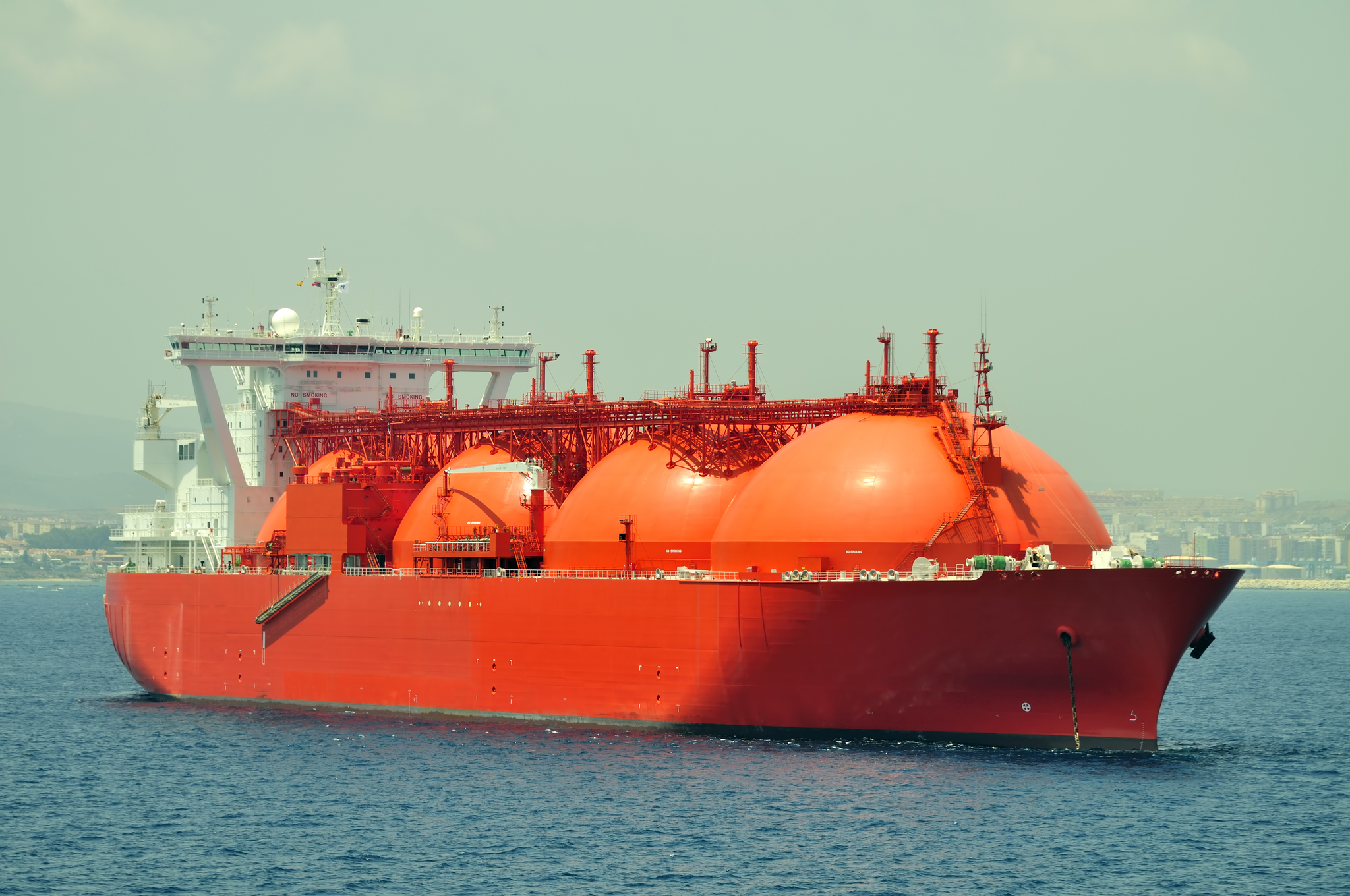
Europe's gas reserves sit at a 73% capacity, 15 points below the five-year average and half the inventory typically consumed by this time next year. As tensions escalated in Ukraine, the European energy policy's primary focus shifted to securing gas supplies during winter to avoid power cuts and industrial shutdowns. The aim was to reach 90% of capacity by November, but this target remains unattainable due to supply difficulties via the Strait of Hormuz, threatening to worsen the gas shortage.
Currently, gas reserves stand at 73% of total capacity, the lowest since these targets were set after Russia's invasion of Ukraine and 24 points below 2022 levels. This raises concerns about winter supply security.
While there is enough gas to last until spring, disparities exist among European countries. For instance, Poland has 99.1% capacity, Italy has 88.3%, France has 86.1%, and Spain has 76.3%, while Germany, the Netherlands, and numerous eastern European nations have less than 50%. This raises questions about the region's overall gas security, especially in former Soviet countries where pipelines cannot supply gas in reverse.
Despite high overall gas storage levels, severe supply issues may affect many parts of Europe, particularly in Eastern bloc countries.
Europe is also facing historically high gas prices, with TTF gas reaching 80.4 euros per megawatt-hour, double June's prices and the highest since 2022. This means, if the Hormuz Strait remains blocked, Europe will not only struggle to supply gas for winter but also at higher prices, exacerbating consumer and industry woes. The European Commission issued an alarm on this situation, urging member states to cut gas and electricity demand to ensure winter consumption.
Recommendations include reducing peak-hour electricity use, shifting demand to off-peak hours using smart meters and variable tariffs, lowering public building temperatures, and limiting non-essential outdoor lighting. However, these are mere suggestions without strict timeframes or targets. Experts believe a 7% demand reduction is necessary to avoid winter supply problems, but this could lead to industrial slowdowns, employment cuts, and reduced exports.
The main concern is whether Europe will be able to avoid energy shortages and maintain economic stability during the harsh winter ahead.
Written by urgent.news from Expansion ES's reporting — not their text. Machine-written — may contain errors; check the original before relying on it.