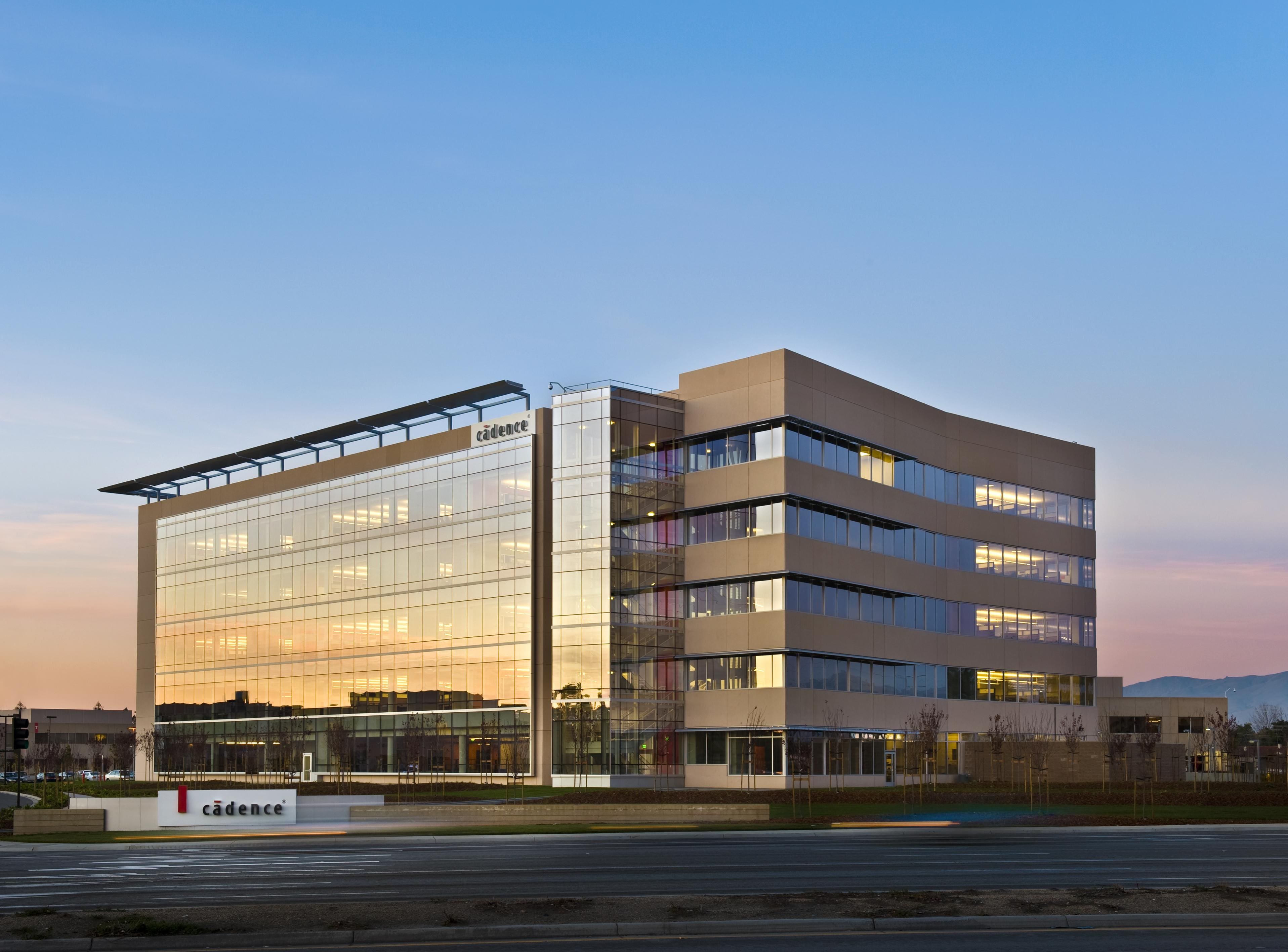
Cadence pitches homegrown EDA industry for India's chip design push
Cadence India Managing Director Alok Jain said India needs a balanced semiconductor ecosystem, including local EDA tools, to become a major global player
India has set its sights on becoming a major player in the global technology industry, committing billions of dollars to semiconductor manufacturing, electronics production, and artificial intelligence. Prime Minister Narendra Modi hailed this decade as India's "Techade," but the nation faces a daunting challenge to match the output of industry giants like the United States, China, and South Korea.
Chips: A national priority
For the past decade, India has imported over $150 billion worth of microchips, which power everything from smartphones to military equipment. In response, New Delhi has pledged more than $20 billion in government support to reduce this dependence. Fives assembly, testing, and packaging plants are now in operation, involving major US firms like Micron, as well as Indian companies Kaynes, CDIL, and Suchi Semicon, along with a joint venture from India, Japan, and Thailand.
However, these facilities do not require the same level of expertise as core manufacturing and research.
Another seven projects are in the pipeline, including a chip factory in Gujarat being built by Tata Electronics in partnership with Taiwan's PSMC. The government projects that India's semiconductor market, estimated at around $50 billion in 2026, will reach $110 billion by 2030 and $200 billion by 2035.
Electronics production
India's electronics industry has grown from $31 billion in 2014-15 to $133 billion in 2024-25. The government aims to position the country as a tech manufacturing hub, with major global manufacturers like Apple and Samsung expanding their production in India to diversify supply chains away from China. Local supply chains are being encouraged through incentives for component makers.
Data centers
While India generates vast amounts of digital data, it only has about three percent of global data-center capacity. The government aims to change this, with projects worth nearly $70 billion currently under construction and a further $90 billion announced. Investors include Indian conglomerates like Reliance and Adani, as well as US tech giants Amazon, Microsoft, and Meta. The southeastern port city of Visakhapatnam is a key hub, where Google is building a $15 billion AI center.
Workforce strength
As the world's most populous nation, India boasts nearly 20 percent of the global chip-design workforce. Technology Minister Ashwini Vaishnaw claims that around 70,000 design engineers have been trained in the past four years, with semiconductor-related courses and programs expanded across hundreds of engineering colleges. Prime Minister Modi highlighted this vast talent pool as a "goldmine" during a semiconductor conference in New Delhi in September.
However, experts warn that India faces significant challenges in translating these ambitious plans into a competitive technology ecosystem.
Written by urgent.news from Gulf News's reporting — not their text. Machine-written — may contain errors; check the original before relying on it.
This story
This is one outlet's version. Read the fullest account.