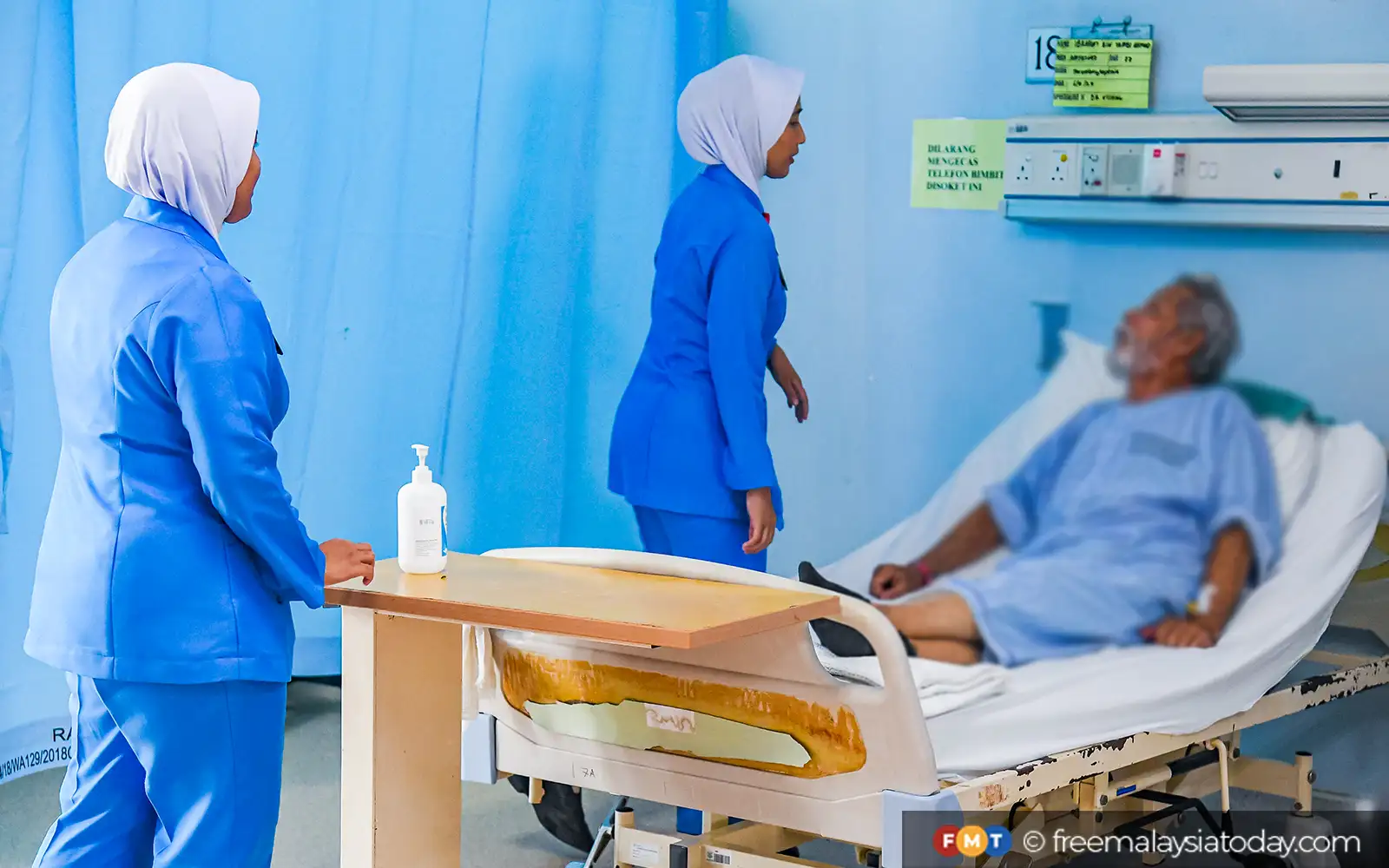
Antarctic village requires all residents to have their appendix removed
Long-term residents of Villa Las Estrellas, a Chilean settlement on Antarctica's King George Island, must have their appendix removed before moving in because the nearest major hospital is more than 1,000 km away.
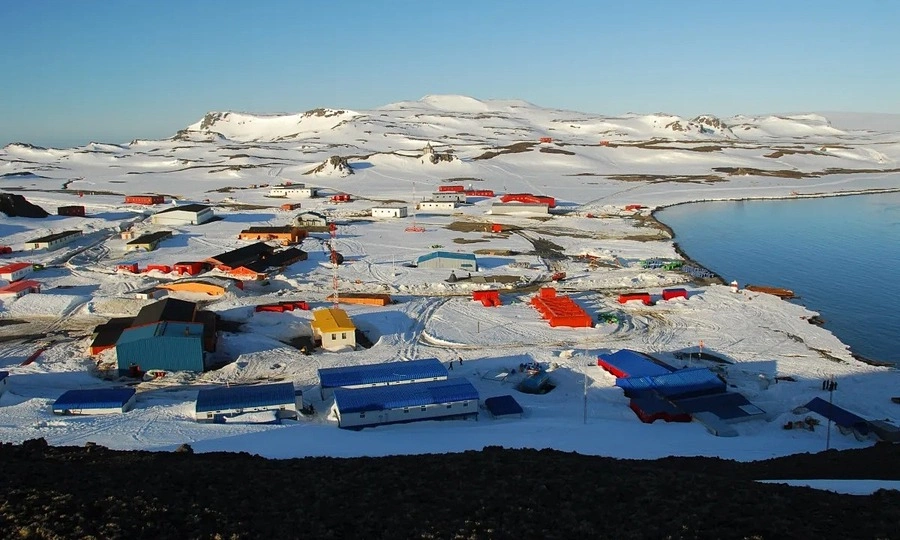
The Antarctic village houses approximately 100 individuals, comprising scientists and personnel from the Chilean Air Force and Navy, though some families may reside longer-term. Basic amenities like a post office and bank exist within the settlement. Appendicitis poses a significant health risk due to its sudden onset and rapid deterioration within hours.
Without surgical intervention, the appendix could rupture, leading to peritonitis and potentially fatal consequences. The base boasts a scarce medical team, with only a handful of doctors, none of whom are qualified surgeons according to BBC reports. The village's primary school ceased operations in 2018 following three decades of service, as the base's facilities had fallen into disrepair, as noted by the Chilean newspaper El Mercurio.
That year's rotation featured families without children and single personnel, with military personnel discouraged from conceiving due to the associated risks. The settlement experiences an average annual temperature of -2.3 degrees Celsius, reported by Chile's meteorological services. Commander Sergio Cubillos Alvarado of the Presidente Eduardo Frei Montalva air base disclosed to the BBC that during a harsh winter, his family was confined to their home for weeks.
In the Australian Antarctic Program, doctors stationed during the winter are mandated to have their appendix removed, while other expeditioners are exempt. This requirement traces back to the 1950s when an Australian doctor on Heard Island developed appendicitis and necessitated a complex emergency evacuation. In 1961, Soviet surgeon Leonid Rogozov, serving as the sole medical professional at Antarctica's Novolazarevskaya station, developed appendicitis while on duty.
Blizzards precluded air evacuation, and the expedition's ship would not return for a year. Rogozov opted to perform the surgery on himself using local anesthesia, guided by colleagues who supplied instruments and performed a mirror reflection. Despite the challenges, the operation was successful, with Rogozov recovering within two weeks.
Written by urgent.news from VnExpress International's reporting — not their text. Machine-written — may contain errors; check the original before relying on it.