US, Ukrainians, Europeans discuss ‘new ideas’ to end war
MIAMI, Oct 10 — US, Ukrainian and European officials met in Miami yesterday in a renewed diplomatic push to end Ru...
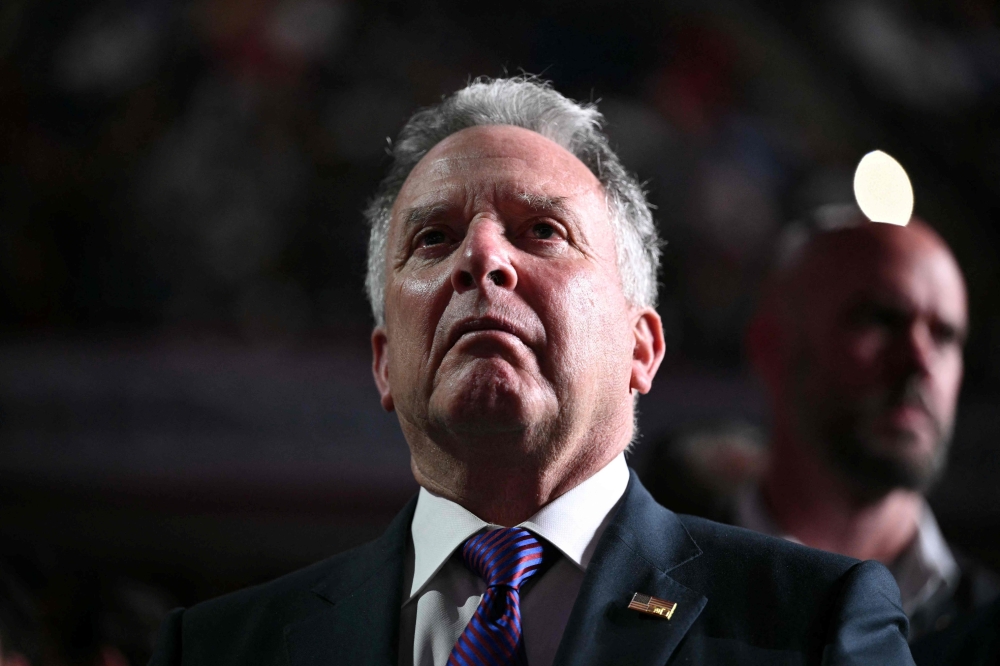
On October 10, US, Ukrainian, and European officials convened in Miami for a diplomatic effort aimed at resolving Russia's war in Ukraine. The talks were marked by the US President Donald Trump's announcement of a deal with Russian President Vladimir Putin to increase diesel supplies, highlighting how the conflict has become entwined with escalating energy costs.
The discussions, led by US envoy Steve Witkoff, included exploring avenues to de-escalate the war and achieve lasting peace, covering energy resilience, grain exports, security guarantees, and long-term security arrangements for Ukraine and Europe. Witkoff stated that the meeting comprised the E3 (the European Commission, Ukraine, and NATO) and covered energy resilience, grain exports, security guarantees, and long-term security arrangements for Ukraine and Europe's protection against future conflicts.
While the parties were set to meet as initially planned, Secretary of State Marco Rubio cautioned that the stalemate could escalate further, potentially involving NATO countries. Rubio warned that the conflict might spread to neighboring NATO nations if no agreement was reached. Trump attributed the surge in fuel prices to Ukrainian strikes on Russian refineries, although the primary disruptor of global energy supplies has been the US-Israeli conflict with Iran.
Following a phone call with Putin, Trump announced Russia would supply over 300,000 tonnes of diesel to US and global markets, with additional supplies planned for November. The US Treasury also issued a temporary license to allow Russian diesel to enter global markets. The Miami meeting followed earlier visits by Witkoff and Kushner to Moscow and Kyiv, aimed at reigniting negotiations that had yielded limited progress.
As winter approaches, the urgency to find a solution grows, given the risk of further escalation and damage to vital infrastructure. The conflict, which began in February 2022, has led to Russia occupying approximately one-fifth of Ukraine's territory. European officials have expressed concerns over energy costs and the potential economic fallout from the war.
Written by urgent.news from Malay Mail's reporting — not their text. Machine-written — may contain errors; check the original before relying on it.