The next label on your book might say a human wrote it
FRANKFURT, Oct 11 — Initiatives to label books as written by humans, and not artificial intelligence, are gaining...
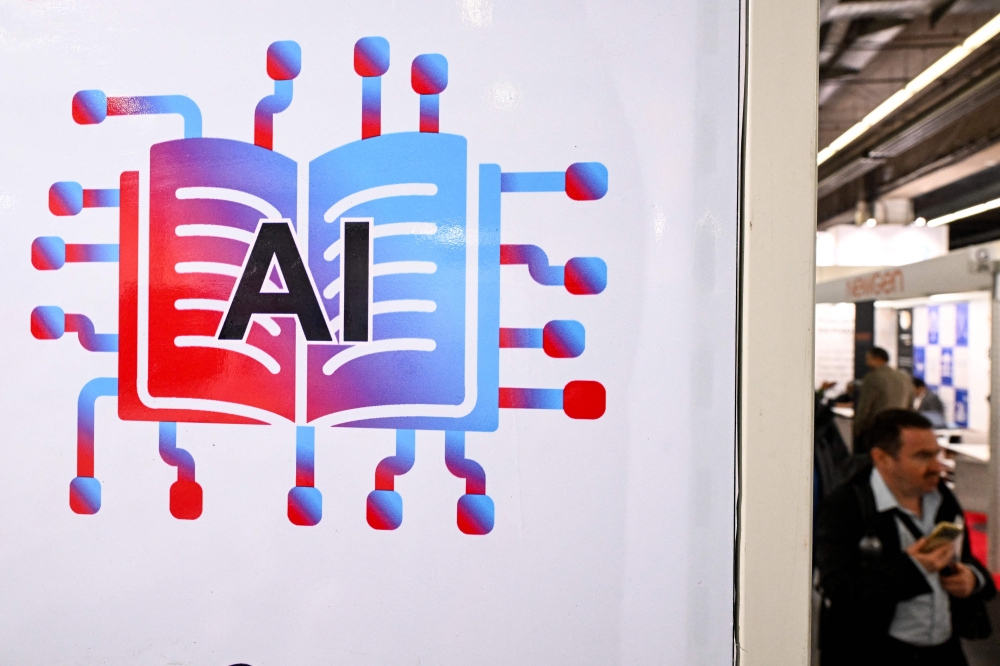
Recent scandals involving authors suspected of using artificial intelligence to write their books have led to the emergence of labeling initiatives to distinguish human-authored works from AI-generated ones. Prominent cases include Haitian-Canadian author Thelyson Orelien, whose debut novel's alleged use of AI caused a significant uproar in the French literary world.
Despite denying the accusations, Orelien's situation shook the industry, with Charlotte Allibert, co-founder of Librinova, describing the event as a "real earthquake" for the French book trade.
To combat these concerns, self-publishing company Librinova offers a scheme where authors can get their books assessed and labeled as "human creation" for a fee. The process involves running the work through AI detection software and a personal interview with an auditor. Currently, about 200 works have received this label.
In the UK, a startup called Books By People has registered its certification mark for human-authored works with the country's intellectual property office. To obtain the mark, titles must meet their "organic literature" standards, which allow limited use of AI for tasks such as spelling or grammar checks. Esme Dennys, co-founder of the initiative, emphasized the need for a comprehensive, transparent, and reliable framework for authors and publishers to trust.
In the United States, the Authors Guild introduced a "human authored" certification mark, which involves self-certification through a signed license agreement. Around 6,500 titles have already received this certification. However, controversies continue to emerge. For instance, Hachette cancelled the release of Mia Ballard's horror novel Shy Girl in the US and UK due to allegations of AI use. Ballard denied personal involvement but admitted that an editing acquaintance had employed AI.
Despite these initiatives, some industry professionals remain skeptical. Sebastian Guggolz, head of the German Publishers and Booksellers Association, acknowledged the challenges in categorizing AI usage in book production. He stressed the need for a deeper understanding of how to make industry practices transparent, suggesting that basic schemes might not suffice.
Written by urgent.news from Malay Mail's reporting — not their text. Machine-written — may contain errors; check the original before relying on it.