Thailand hosts IMF-World Bank meetings, but what’s in it for you?
What will ordinary Thai people actually gain from hosting the 2026 Annual Meetings of the International Monetary Fund (IMF) and the World Bank Group? That is the question many Thais want answered as Thailand prepares to host the global economic and financial gathering from 12-18 October 2026 at the Queen Sirikit National Convention Center in […] The post Thailand hosts IMF-World Bank meetings,…
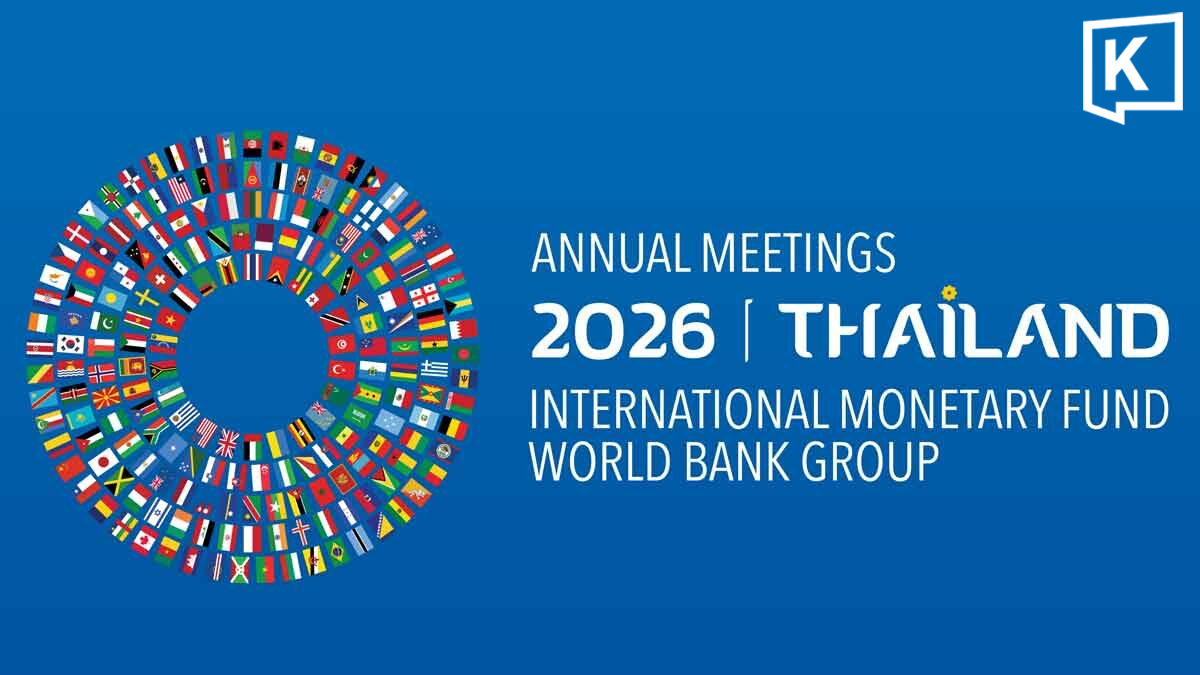
Thailand is set to host the 2026 Annual Meetings of the International Monetary Fund (IMF) and the World Bank Group from October 12-18, 2026 in Bangkok. While the primary aim of the meetings is to address global economic and financial issues, the question remains: what benefits can ordinary Thai citizens expect from this gathering?
The IMF will release its World Economic Outlook, evaluating the outlook for global economic growth amid geopolitical conflicts and economic uncertainties. These factors could impact trade, exports, investments and consumer purchasing power in Thailand. Thai policymakers will need to take these global dynamics into account when managing the country's fiscal policy, including debt management and designing stimulus measures.
Debt, borrowing costs and financial stability are major concerns that will be discussed during the meetings. As these issues are crucial for Thailand's fiscal policy, stable financing conditions will be important for managing the national debt and implementing effective economic stimulus programmes.
The rapid advancement of artificial intelligence is expected to be a significant topic of discussion. The meetings will explore the potential of AI to increase productivity, its impact on labor markets and inequality, and the financial risks it may create. Thai policymakers will need to consider how to develop workers' skills to ensure that people and businesses can adapt to and benefit from the integration of AI into the economy.
Mobilising private investment for job creation and economic growth is another key agenda item. While attracting foreign capital is important, the real challenge for Thailand lies in ensuring that investment translates into tangible economic activities, quality employment, and opportunities for the country's small and medium-sized enterprises (SMEs).
The meetings will also address the risks posed by ongoing conflicts in the Middle East and Ukraine, as well as their potential impact on energy prices, production, transportation costs, and food security. For Thai households, these issues are directly linked to fuel prices, electricity bills, food and other consumer goods, as well as the costs faced by farmers and businesses.
Inclusive growth and poverty reduction are crucial considerations during the meetings. Discussions will focus on inequality, economic opportunities, and improvements in living standards. For Thailand, the central challenge is ensuring that the benefits of economic growth reach all segments of society, including farmers, low-income workers, and small business owners.
Ultimately, the success of Thailand's hosting of the IMF-World Bank meetings will depend on how well the Thai government can translate the insights and recommendations from the global gathering into tangible benefits for its citizens. The real measure of success will be whether the country can generate more jobs, higher incomes, and an improved quality of life for ordinary Thais, and whether these improvements can be felt in their everyday lives.
Written by urgent.news from Khaosod English's reporting — not their text. Machine-written — may contain errors; check the original before relying on it.