Spain's slow response to crisis in Ceuta leaves teen migrants on streets
CEUTA, Spain — Hundreds of teenage migrants lined up outside a church in Ceuta in early October, hoping Spain's visiting minister of youth would bring them some good news: passage to continental Europe or at least a spot in a shelter. For two months, they had slept on cardboard sheets and ripped sofas in squalid tent camps, or on the streets of the Spanish city in North Africa that juts into the…
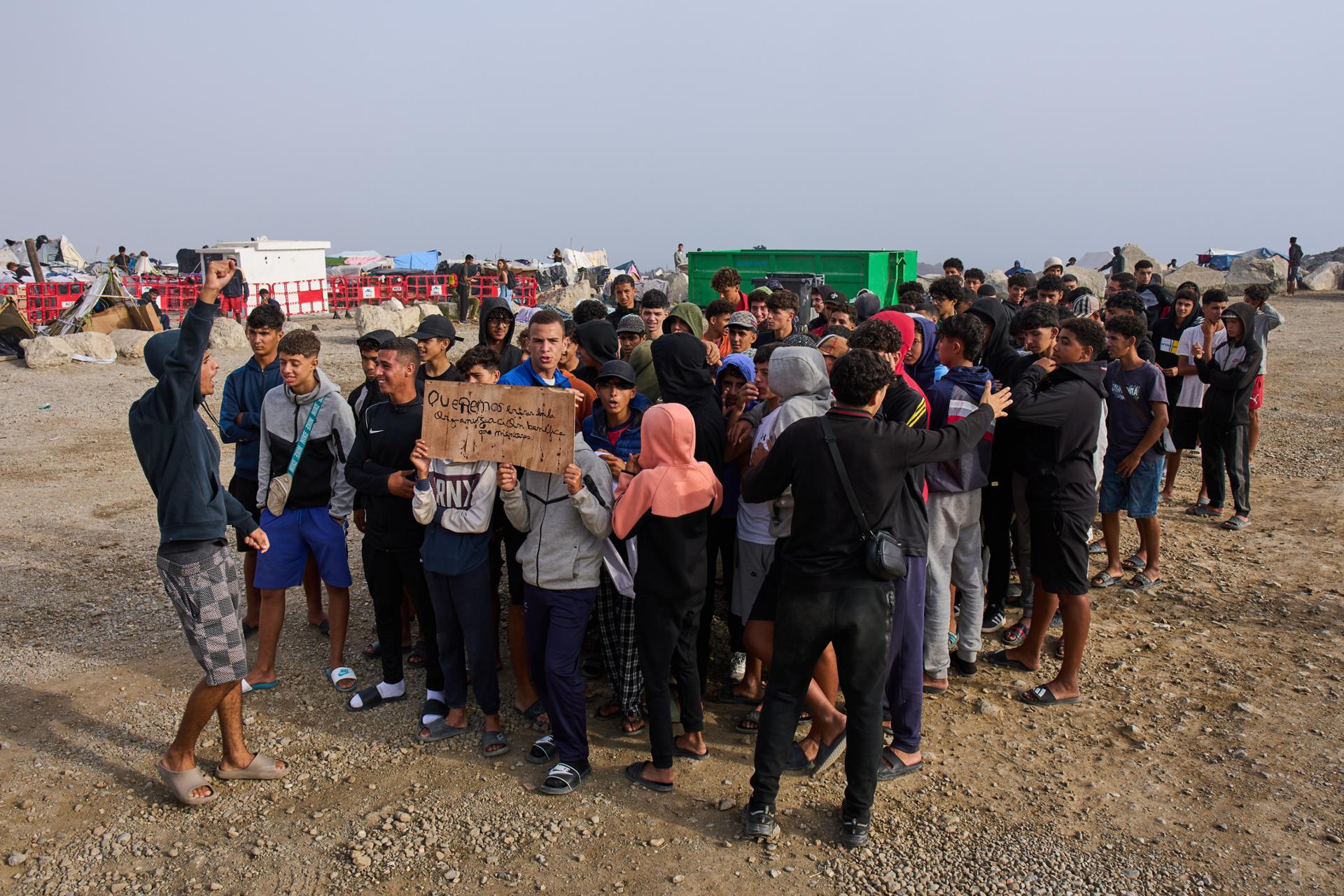
Ceuta, a Spanish city nestled on North Africa's Mediterranean coast, grappled with a severe migrant crisis in early October. Hundreds of teenage migrants, including a 17-year-old aspiring model from northern Morocco, gathered outside a church, hoping for assistance from Spain's visiting minister of youth. For months, these vulnerable young individuals had been living in squalid tent camps or on the streets, sleeping on cardboard sheets and ripped sofas.
The minister's visit, intended to provide these migrants with passage to continental Europe or at least shelter, proved inadequate. Instead of receiving aid, the teens were hurriedly led down a steep hill to a soccer field to avoid overwhelming the minister. Within hours, many found themselves back on the streets and hillsides, illustrating Spain's slow and often improvised response to the migration crisis in Ceuta.
Thousands of minors reached Ceuta alone, with no government support to guide them. This scene highlighted the urgent need for a more effective and organized approach to addressing the plight of these young migrants, whose only hope for a better future seemed to be slipping away.
Written by urgent.news from The Korea Times's reporting — not their text. Machine-written — may contain errors; check the original before relying on it.
This story
This is one outlet's version. Read the fullest account.