Spain's slow response to crisis in Ceuta leaves teen migrants on streets
CEUTA, Spain — Hundreds of teenage migrants lined up outside a church in Ceuta in early October, hoping Spain's visiting minister of youth would bring them some good news: passage to continental Europe or at least a spot in a shelter. For two months, they had slept on cardboard sheets and ripped sofas in squalid tent camps, or on the streets of the Spanish city in North Africa that juts into the…
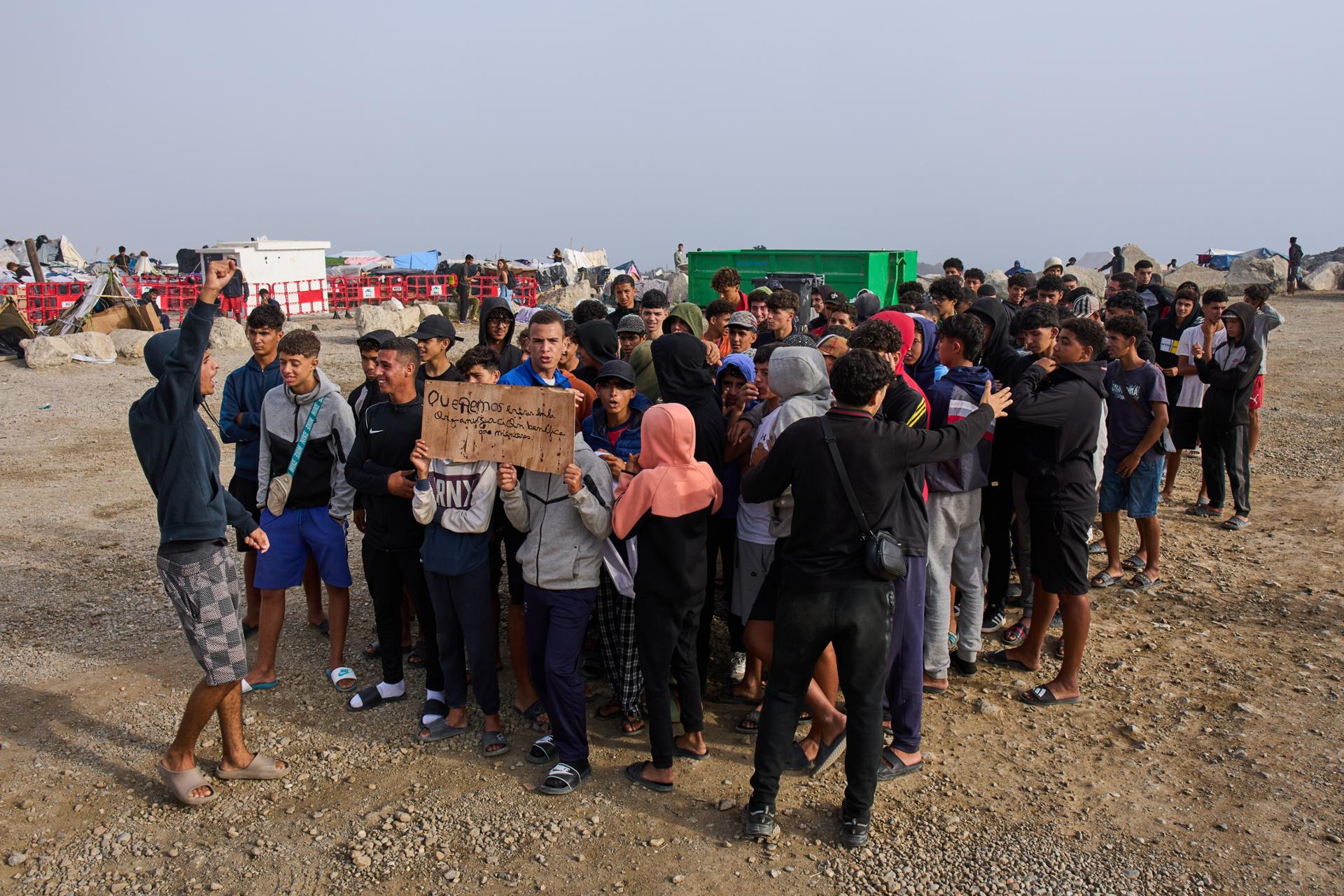
Ceuta, a Spanish city in North Africa, witnessed a severe migration crisis in late July when over 80,000 migrants, many of them teenagers, crossed the border, exacerbating the deadliest border situation in Spain's history. The Spanish government's response, however, has been slow and often improvised, leaving the youth in dire circumstances.
On October 1st, around 500 of these young migrants gathered outside a church in Ceuta, desperately seeking any form of assistance from the visiting Spanish minister of youth. For two months, they had been living in squalid tent camps or on the streets of Ceuta, sleeping on cardboard sheets and ripped sofas. The migrants, originating from northern Morocco, were caught in a desolate situation where southern Spain could be seen on clear days.
Despite the urgent need, the teens were not provided with immediate relief. Instead, they were led down a steep hill to a soccer field, a move that was meant to prevent the minister from being overwhelmed by the sheer number of minors. However, this quick fix only led to many of the migrants returning to the streets and hillsides just hours later.
This scenario further highlighted the Spanish government's inadequate response to the migrants' plight. Thousands of unaccompanied minors reached Ceuta alone, with no immediate shelter or passage to continental Europe offered to them. The scene at Ceuta served as a grim reminder of the ongoing challenges faced by the Spanish authorities in managing the border crisis and providing adequate support to vulnerable migrants.
Written by urgent.news from The Korea Times's reporting — not their text. Machine-written — may contain errors; check the original before relying on it.