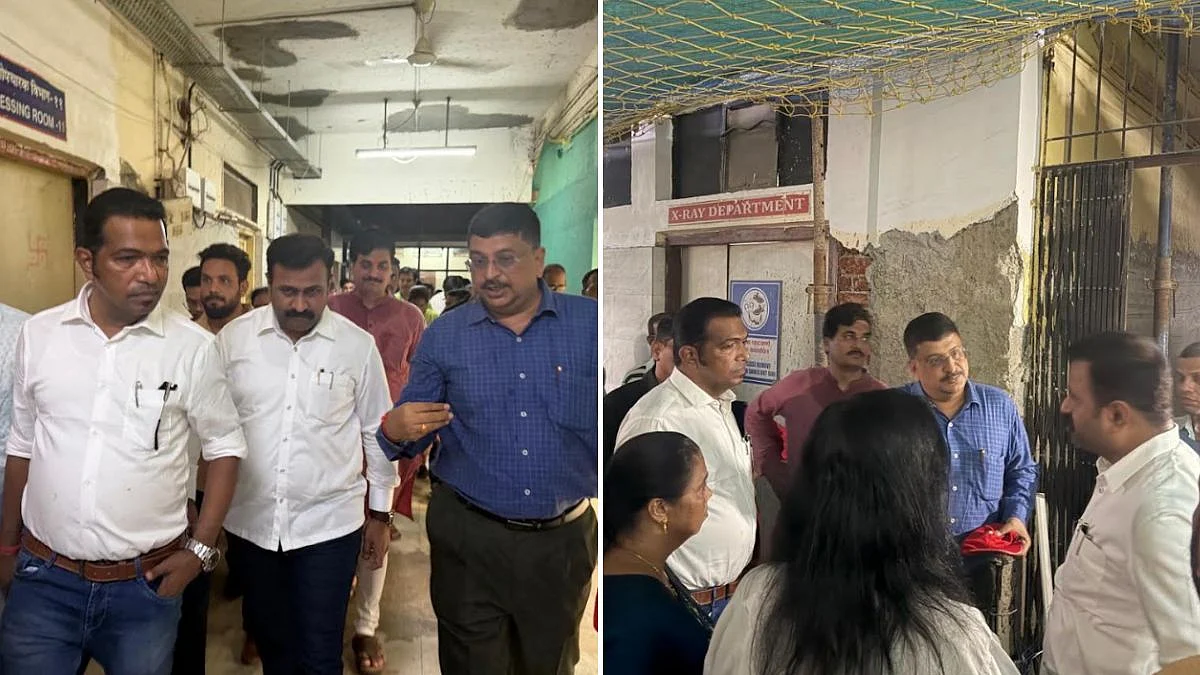
Photos: Mentapulse Africa convenes health and labour summit to address talent retention
Mentapulse Africa has convened policymakers, labour representatives, employers, researchers and professionals at the Ghana Health and Labour Summit 2026 at the University of Ghana, Legon, to discuss workplace wellness, decent employment and ways to retain skilled professionals in Ghana.
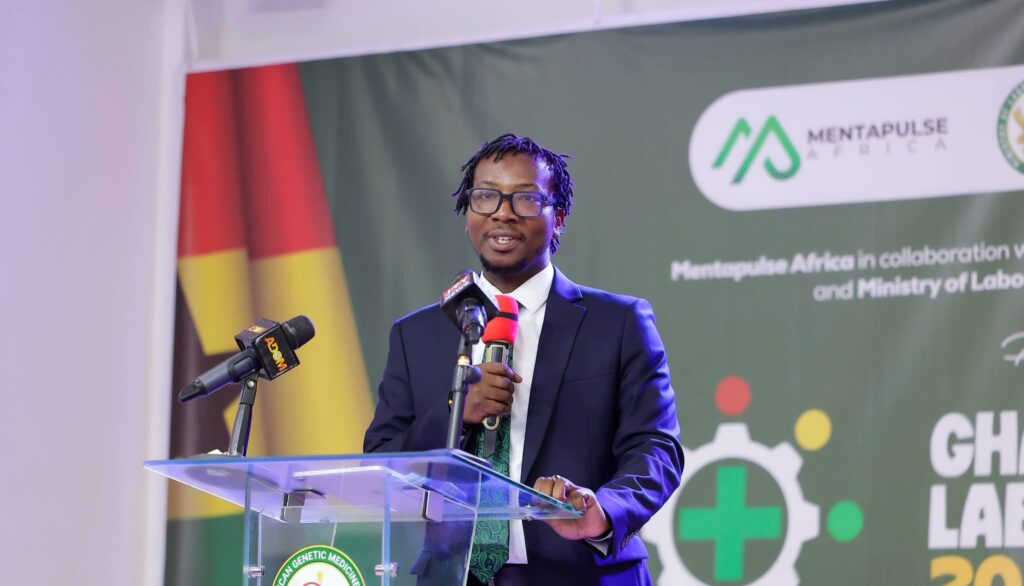
Mentapulse Africa convened a gathering of policymakers, labour representatives, employers, researchers, and professionals at the Ghana Health and Labour Summit 2026, held at the University of Ghana, Legon. The summit sought to tackle Ghana’s workforce challenges, focusing on workplace wellness, decent employment, and the retention of skilled professionals.
A critical concern was the outflow of skilled workers, which hampers sectors' ability to retain experienced professionals. Deputy Chief of Staff Nana Oye Bampoe Addo highlighted the government's intention to employ 16,500 health professionals in 2026, with financial clearance in place to avert pay delays. "Government plans to recruit 16,500 health professionals in 2026, and with financial clearance secured ahead of recruitment, so that no new recruit works without pay," she affirmed.
Despite acknowledging the recruitment drive, Addo emphasized that it is insufficient to counter the challenge of retaining skilled workers. She underscored the necessity of a conducive work environment that enables professionals to advance their careers within Ghana.
Dauda Ibrahim Braimah, the Chief Labour Officer representing the Minister for Labour, Jobs and Employment, asserted that workers' retention is influenced by factors beyond remuneration. "Ultimately, retention depends on quality of life, including housing, security, transportation, and workplace culture," he stated. Braimah elaborated on the Labour Ministry's initiatives to reform the labour market governance, enhance working conditions, and broaden access to dignified employment.
The ministry is also collaborating with stakeholders to align labour laws and institutions with contemporary workplace dynamics, including technological advancements and shifting employment expectations.
Braimah emphasized the need for collective efforts from government, employers, educational institutions, professional associations, and workers. Employers are urged to invest in their workforce, educational institutions must align curriculums with market demands, and workers should prioritize continuous professional development.
The summit served as a forum for stakeholders to deliberate on how employment policies, workplace conditions, skills development, and worker welfare could foster a more resilient workforce. Through this collaborative dialogue, Mentapulse Africa aimed to shed light on the challenges faced by the health and labour sectors and explore strategies to enable Ghana to generate decent employment opportunities and retain skilled professionals within the nation.
Written by urgent.news from MyJoyOnline Ghana's reporting — not their text. Machine-written — may contain errors; check the original before relying on it.