Photojournalist Steve Winter on his iconic Hollywood puma image, the illegal tiger trade and having a black panther knock on his door
Live Science spoke with Steve Winter ahead of the release of "Big Cats."
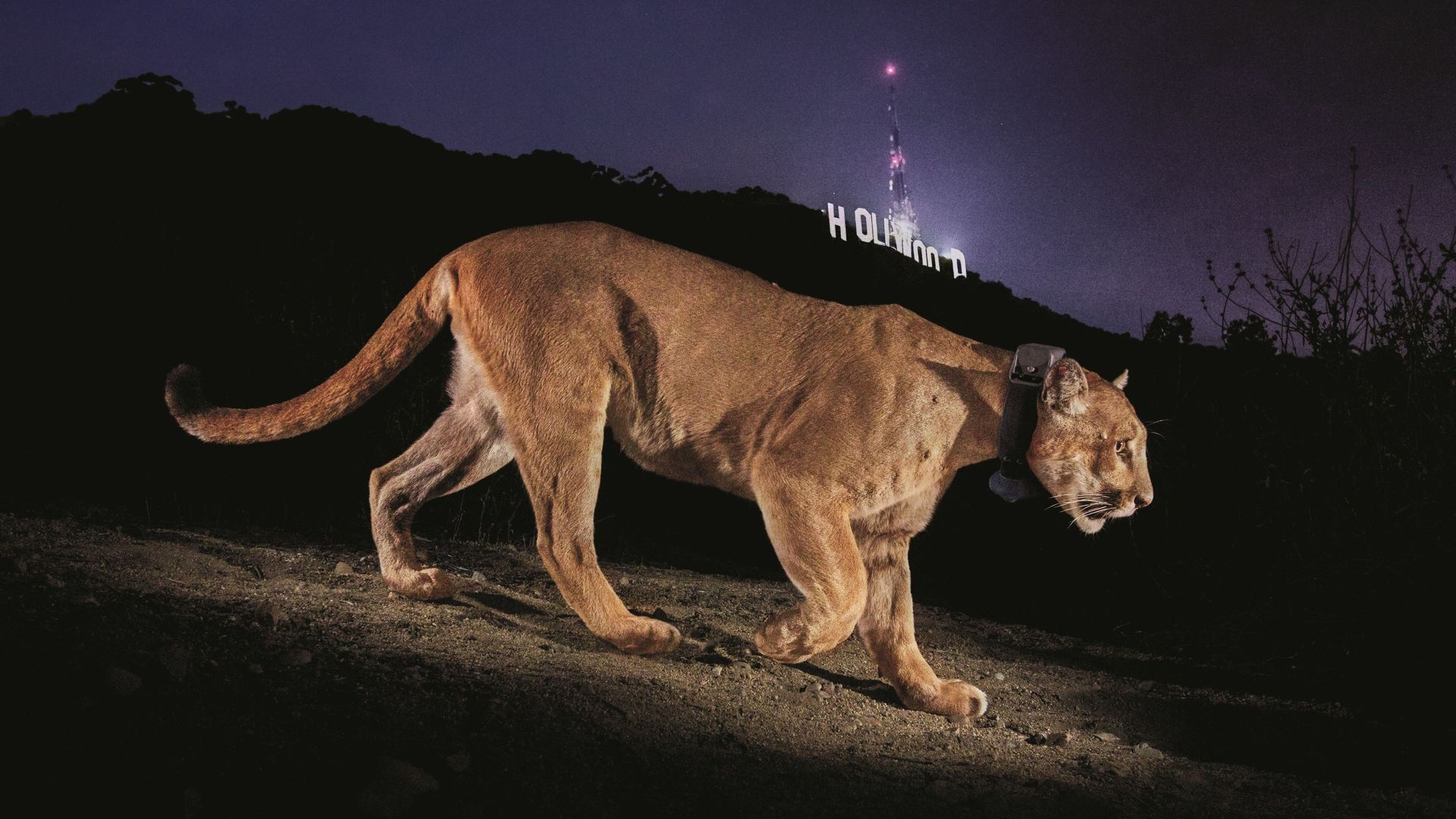
Renowned wildlife photographer Steve Winter has spent two and a half decades capturing breathtaking images of big cats for National Geographic. However, he only ventured into professional big cat photography at the age of 34. Winter, along with his wife Sharon Guynup, an author and environmental journalist, has played a significant role in changing laws surrounding big cats in the U.S., exposing the Tiger Temple in Bangkok, and capturing the iconic image of cougar P-22 beneath the Hollywood sign.
Their new book, "Big Cats," offers a retrospective of their careers, highlighting the vulnerability of these predators, the conservation efforts to protect them, and the ongoing challenges they face. In an interview with Live Science, Winter discussed his career, the transformations he has witnessed, and his optimism for the future.
Winter has received numerous international accolades, including BBC Wildlife Photographer of the Year and BBC Wildlife Photojournalist of the Year. He frequently lectures on photography and conservation issues and has collaborated with National Geographic magazine, often spending months on single assignments. Winter has camped in jungles, grasslands, and high-altitude locations such as the Himalayas to document the beauty and behavior of cats.
Among Winter's photographs, one stands out as particularly impactful: the image of P-22, a cougar residing under the Hollywood sign. This photograph not only exceeded his expectations but also catalyzed a city-wide transformation in Los Angeles. The image revealed the potential for urban wildlife corridors, eventually leading to the creation of the world's largest highway wildlife crossing over Highway 101 in California. This iconic image has become a symbol of urban wildlife conservation and education in the city.
Written by urgent.news from Live Science's reporting — not their text. Machine-written — may contain errors; check the original before relying on it.