Oil prices climb as Hurricane Isaias halts Gulf of Mexico output
Oil prices rose sharply after Hurricane Isaias forced a major production shutdown in the northern Gulf of Mexico.
Hurricane Isaias made landfall in Florida on Friday night, bringing heavy rain and strong winds to the US Gulf Coast. The Category 2 storm struck near Destin, Florida, the National Hurricane Center reported. As Isaias made landfall, life-threatening storm surge caused damage along the Gulf coast, with dangerous hurricane conditions and flash flooding spreading inland.
Coastal communities experienced mandatory evacuations and businesses closed as the hurricane intensified. Jonathan Ramos, a government employee in Pensacola, witnessed roofs torn off homes and trees snapping due to the intense winds. Over 300,000 customers in Florida and 200,000 in Alabama were without power on Friday night, while water service was suspended.
Isaias packed maximum sustained winds of 105 miles per hour, and forecasters predicted it would slam into the western Florida panhandle at or near major hurricane strength before weakening over land. The storm was fueled by record-warm Gulf waters, intensified by climate change. Florida Governor Ron DeSantis assured that resources and personnel were prepared for the storm's impact.
President Donald Trump canceled his visit to a college football game due to the hurricane. Mandatory evacuation orders were in place in several Florida counties, but impacts were expected across a wide area of the southeastern United States, with hurricane-force winds up to 100 miles inland. Storm surge, combined with tide levels, could flood dry areas, with water potentially reaching nine feet around the Alabama-Florida border.
Heavy rainfall might trigger flash flooding and river overflow. Two airports in northwestern Florida suspended operations due to the storm. Isaias' late arrival was largely attributed to an historically strong El Nino, which created strong vertical wind shear over the Atlantic, tearing storms apart. The Pacific, however, experienced weakened shear and allowed storms to grow.
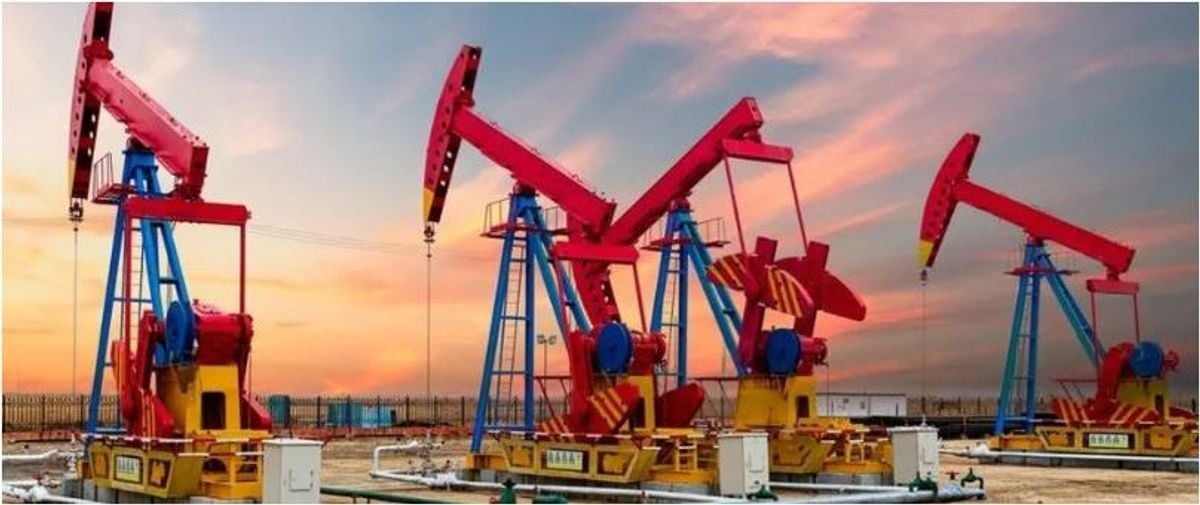
Warmer sea surface temperatures in the Gulf of Mexico, partly due to climate change, fueled Isaias' development into a major hurricane. Storm surge will be exacerbated by rising sea levels caused by climate change, while heavy rainfall is linked to increased moisture in the atmosphere. Oil and gas production in the Gulf of Mexico was disrupted, with platforms and rigs evacuated, resulting in reduced oil and gas output.
Written by urgent.news from New Straits Times's reporting — not their text. Machine-written — may contain errors; check the original before relying on it.
This story
This is one outlet's version. Read the fullest account.
- ‘Things are flying really fast’: Hurricane Isaias makes landfall in Florida, knocking out power to thousands malaymail.com
- Hurricane Isaias makes landfall in Florida nst.com.my
- Where did Hurricane Isaias make landfall? Scary visuals show damage in Perdido Key, Milton, Santa Rosa Beach in Florida hindustantimes.com
- Hurricane Isaias makes landfall on U.S. Gulf Coast as Category 2 storm cbc.ca
- Alabama emergency management director talks Hurricane Isaias cbsnews.com
- Hurricane Isaias makes landfall in Florida dw.com
- 'The storm is here - buckle down': Hurricane Isaias makes landfall in US news.sky.com