Mexican innovator, 21, turns discarded materials into power and cleaner water
Maritza Sanchez, hailing from Cuautlancingo, Mexico, is pioneering the development of microbial fuel cells aimed at tackling severe local pollution challenges. Her initiative, Aquayac Energy, focuses on generating sustainable electricity while also purifying the heavily contaminated Atoyac River. By 2027, Sanchez intends to create 50 operational fuel cells, enhancing energy accessibility and…
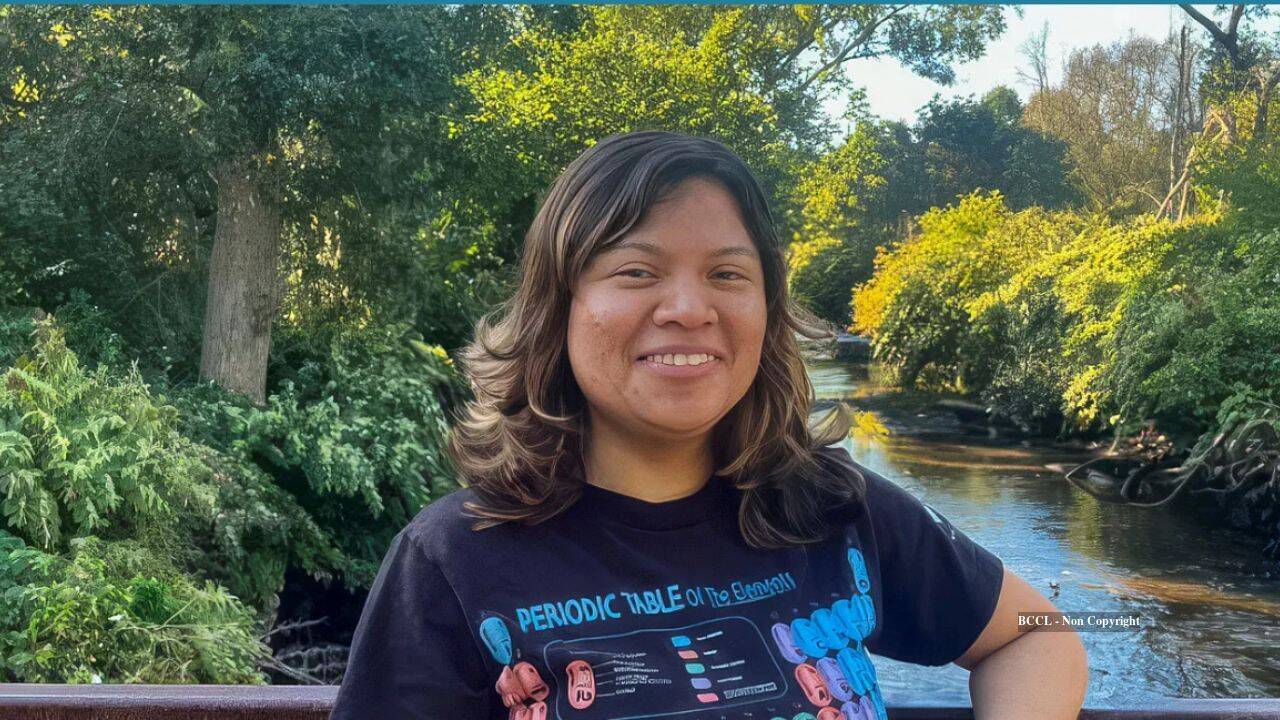
Maritza Sanchez, a 21-year-old innovator from Cuautlancingo, Mexico, is creating microbial fuel cells using discarded materials from local waste to generate electricity and improve polluted water. Her project, Aquayac Energy, specifically targets the Atoyac River, which suffers from severe contamination. With the goal of refining prototypes and producing 50 functional fuel cells by 2027, Sanchez has been recognized as one of the 2026 Brower Youth Award winners by Earth Island Institute.
This award highlights her work alongside five other young environmental leaders, emphasizing her efforts to tackle two urgent issues simultaneously: cleaner water and access to energy. Growing up in a town surrounded by pollution, Sanchez's interest in environmental issues developed during her high school years. She explored the possibility of repurposing discarded materials into a system that could generate both electricity and improve water quality.
The project focuses on the Atoyac River, which is heavily contaminated, and Sanchez is testing whether microbial fuel cells can offer a local solution for treating wastewater while generating useful energy. Microbial fuel cells utilize microorganisms to break down organic matter, releasing electrons that can be captured by electrodes to produce a small electrical current.
These cells are currently in the prototype stage, and Sanchez is designing, constructing, and testing them while assessing their performance and water quality. The technology is not a substitute for large-scale wastewater infrastructure or comprehensive river clean-up but is an early-stage effort to determine if a compact, locally built system can contribute to solutions in areas facing pollution and limited energy access.
Written by urgent.news from Times of India's reporting — not their text. Machine-written — may contain errors; check the original before relying on it.