How drones are hunting fires hidden beneath the Cairngorms
Dramatic flames from the huge Cairngorms wildfire in July have disappeared - but hot spots can continue to burn beneath the earth.
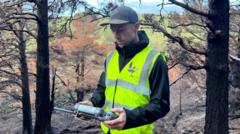
The Cairngorms National Park in Scotland was ravaged by a wildfire in July, burning across 3,300 hectares. Despite the flames being extinguished, hot spots continue to smolder beneath the ground. To track these hidden heat sources, the park employs thermal drones, a method that proved crucial during the firefight. Three months after the fire, the drones detected three locations with active hot spots, each potentially capable of reigniting a larger blaze.
Ben Jones, senior site manager for the RSPB, highlights the importance of pinpointing these hot spots for the efficient allocation of firefighting resources. Dr. Sarah Henshall of the Cairngorms National Park Authority notes that while some ecological impacts of the fire may manifest quickly, others could take years to surface. The drones are now tasked with mapping the recovery of the landscape over time, providing valuable data for conservationists.
In addition to their fire-fighting role, the drones may also aid in early detection of future wildfires, allowing for prompt intervention. The patrol's recent discovery of a hot spot beneath a thin layer of earth, evidenced by rising smoke, underscores the ongoing threat posed by these hidden fires.
Written by urgent.news from BBC Science's reporting — not their text. Machine-written — may contain errors; check the original before relying on it.