IMH to be expanded, redeveloped by 2040 as Singapore boosts mental health capacity
The Institute of Mental Health will also be redesignated as a national specialty centre and renamed the National Centre for Mental Health Singapore in 2027.
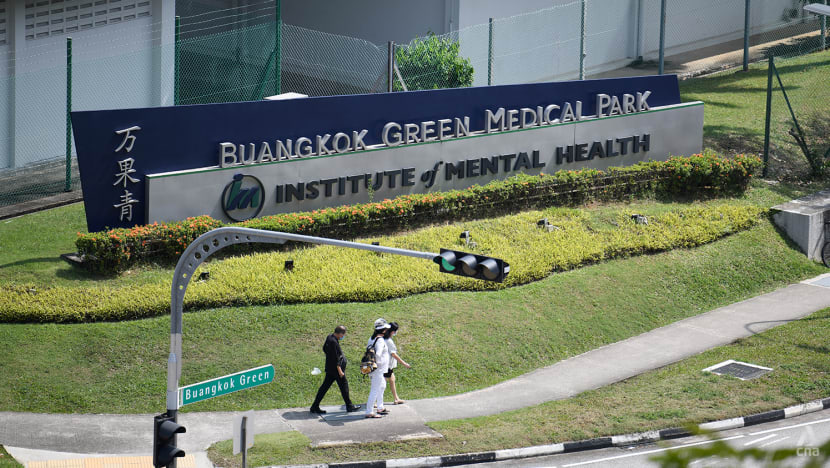
Singapore's Institute of Mental Health (IMH) is set to expand and redevelop its facilities by 2040, as the country strives to enhance its mental healthcare capacity. Health Minister Ong Ye Kung announced this on October 10, alongside plans to strengthen psychiatric capabilities at three regional hospitals - Changi General Hospital, Woodlands Hospital, and Alexandra Hospital.
The IMH will be rebranded as the National Centre for Mental Health Singapore in 2027, serving as a national specialty centre. Like Singapore's specialty centers for cancer, heart, or eye care, it will focus on research, coordinate psychiatric care across hospitals, and build mental health sector capabilities.
Speaking on World Mental Health Day, Ong emphasized that mental health challenges are increasing globally, particularly among young people. Hospitals and clinics are witnessing a surge in patient numbers, including school-going individuals. Community services have also been supporting more people, with the number of youths receiving help in the community having more than doubled, and the national mental health hotline handling about 9,000 calls for help monthly.
To address these rising demands, Ong stressed the need for Singapore to strengthen both specialist care and prevention/early intervention efforts. The increase in community caseloads also reflects a growing willingness among individuals to seek help, although stigma remains a significant barrier. He clarified that seeking mental health support should not become a negative mark on a person's record or future opportunities.
Ong also addressed the issue of parental consent for young people seeking mental health support. Current practices vary, with anonymous calls to the national mental health hotline and limited parental consent requirements for community-based providers. Schools generally require parental consent before formal counseling begins, but Ong advocated for a balanced approach that allows young people to access support without unnecessary parental barriers.
He emphasized that the right system should provide a safe entry point, followed by appropriate family involvement as the care journey progresses.
Rewritten by urgent.news; may contain errors — check the original.
Source: channelnewsasia.com
This story
This is one outlet's version. Read the fullest account.