How U.S. know-how is fracking Australia into a gas boom, from Texas oilmen to Trump’s energy secretary
Texas wildcatters, oilfield services giants, and U.S. Energy Secretary Chris Wright helped Australia's Beetaloo Basin deliver its first commercial gas. The hard part is still ahead.
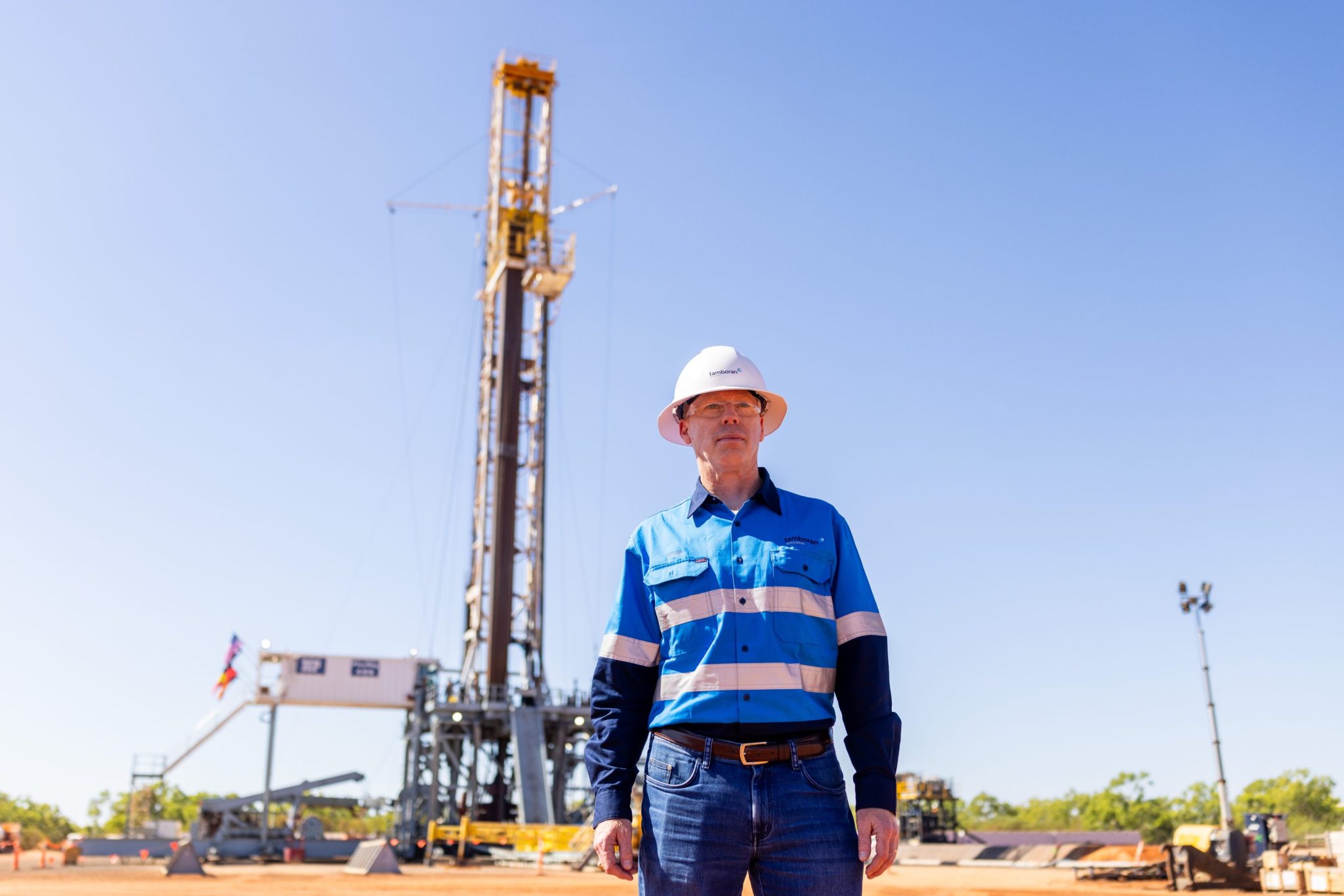
In 1979, a minerals drilling program in the Beetaloo Basin triggered an accidental gas blowout, capturing the attention of U.S. oil and gas giant Amoco, which would later be acquired by BP. Despite this initial interest, the basin remained largely untapped for over two decades. It wasn't until the arrival of American oilmen in September that commercial natural gas deliveries from the Beetaloo Basin began flowing to the energy-hungry Northern Territory.
The potential of the basin is vast, and companies such as Sydney startup Tamboran Resources and Daly Waters Energy faced numerous roadblocks to bring their operations to fruition. Sydney-based entrepreneur Bryan Sheffield, a Texas oil legend, played a significant role in bringing shale drilling and fracking expertise to the outback.
In 2014, Sheffield joined the board of Santos, an Australian natural gas player, after being intrigued by the prospect of bringing shale drilling and fracking expertise to the Beetaloo Basin. Another significant figure in the basin's development was Aubrey McClendon, a shale pioneer who made a small land position in the Beetaloo and inspired others to follow suit.
However, the basin faced setbacks, including a moratorium on fracking from 2016 to 2018 due to global pushback against the practice, as well as COVID-19's impact on global exploration budgets. Despite these challenges, the Beetaloo Basin has shown promise, with the first natural gas sales ever from the basin announced in September.
The milestone marks the arrival of shale drilling and fracking expertise from the U.S., with American oilfield services players such as Helmerich & Payne, Baker Hughes, and Liberty Energy taking ownership stakes in Tamboran. The success of the Beetaloo Basin hinges on the ability to prove its long-term economic viability, but the timing of the influx of capital and expertise is crucial for both the money-losing companies and Australia, which may face natural gas shortfalls in the coming years.
Written by urgent.news from Fortune's reporting — not their text. Machine-written — may contain errors; check the original before relying on it.