Fluent by AI, or fluent by habit? — Suarnamughy Maran
OCTOBER 10 — AI can make English easier, but are we truly becoming better English users — or simply better a...
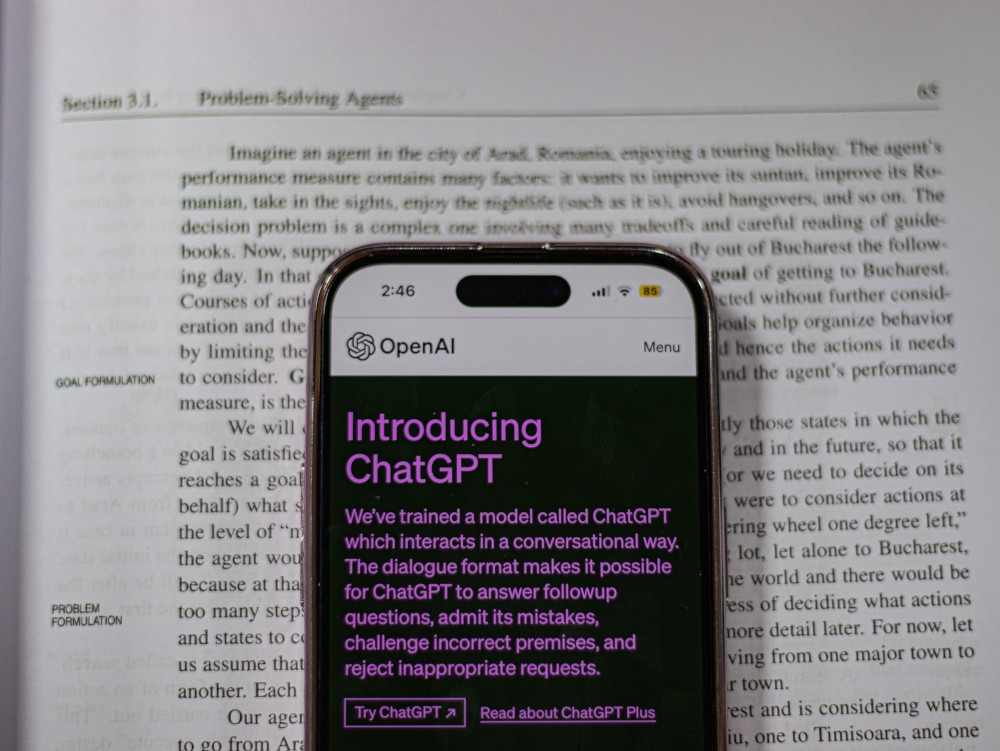
OCTOBER 10 — Artificial intelligence is reshaping the way we learn English, but are we truly enhancing our language skills or merely mastering the use of AI? The rapid integration of AI in our daily lives, particularly in education, has made English learning more accessible, convenient, and seemingly less intimidating. With the help of AI, students can now receive instant explanations, vocabulary suggestions, practice questions, and polished essays, often without leaving their homes.
For Malaysian university students, in particular, AI has proven beneficial in boosting confidence, improving grammar, expanding vocabulary, and providing immediate feedback.
However, a pressing question arises: has AI truly made us better English users, or have we merely become more proficient in using AI? While AI can undoubtedly facilitate English learning, the real concern lies in the potential over-reliance on this technology. When AI writes our assignments, corrects our grammar, finds the "right" words, and even formulates our ideas, we may be bypassing the very process that nurtures real language proficiency: cultivating our thoughts, grappling with challenges, and learning from our mistakes.
English is more than just proper grammar and a vast vocabulary; it is a means of communication, critical thinking, and self-expression. If students allow AI to handle all the thinking, their text may appear linguistically correct but lack originality, personal voice, and depth. A flawlessly written paragraph means little if the writer has not genuinely comprehended the underlying concept.
Speaking fluently also requires real interaction, which AI cannot fully replicate. While AI can simulate conversations, it cannot substitute for the essential human elements such as empathy, cultural nuances, and genuine feedback. Overdependence on AI can lead to a loss of confidence in independent problem-solving and may deprive students of the invaluable experience of making mistakes, struggling, and growing from them — for it is through such experiences that real learning occurs.
Educators must also adapt to this new landscape. The role of the lecturer has evolved beyond merely teaching grammar or vocabulary; they must now guide students on using AI wisely. This includes fostering digital literacy, critical thinking, and ethical awareness. It is crucial to remember that AI is not always accurate and can sometimes provide incomplete, biased, or even incorrect information.
Therefore, students must learn to question, verify, and think critically — skills that are essential not only for language learning but also for navigating the digital age.
In conclusion, AI has undoubtedly made English learning easier and will continue to serve as a valuable ally. Yet, true fluency transcends merely obtaining the correct answers. It encompasses the ability to use language with confidence, creativity, and purpose — a skill that is cultivated through consistent practice, interaction, and genuine interest in the language, rather than solely through a chatbot.
Ultimately, the aim should not be to become fluent by AI, but to attain fluency through habit — through persistent effort, genuine communication, and a willingness to continually learn, whether with or without technology. AI can guide us, but it is our curiosity, critical thinking, and human connections that will ultimately make us fluent.
Written by urgent.news from Malay Mail's reporting — not their text. Machine-written — may contain errors; check the original before relying on it.