Drying wetlands create genetic risk for southern Australia's brolgas
The brolga holds an important place in Gunditjmara culture and is an indicator of wetland health, but their numbers are under threat.
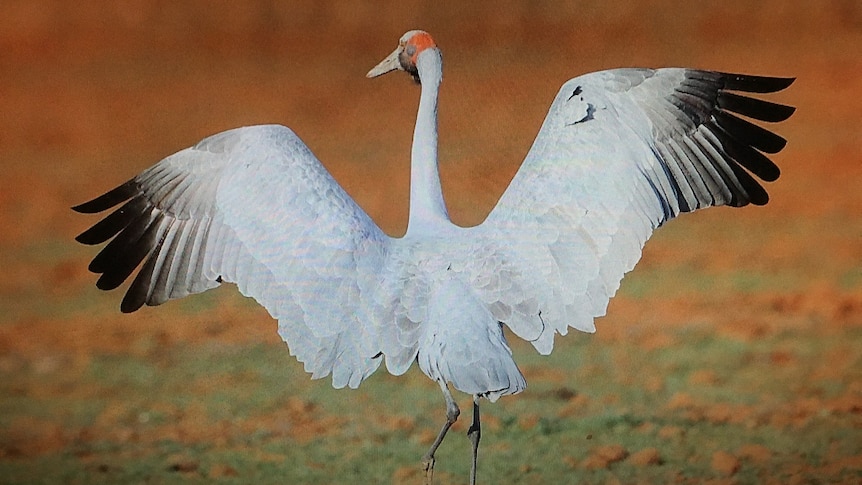
Wetland drying in southern Australia poses a genetic risk to the endangered brolga population, according to a new study. The birds, which can grow up to 1.5 meters tall with a wingspan of up to 2.5 meters, are known for their elaborate mating dances and lifelong pair bonding. A Macquarie University study found that genetic variation among Victorian brolgas has declined and become distinct from northern populations.
Lead researcher Abby Bryce noted that the reduction of wetland habitat is driving the decline in numbers and limiting the genetic diversity that could aid the species' survival. The birds' loss of breeding and feeding grounds in Victoria and south-east South Australia has also caused them to roam across a smaller area, further exacerbating genetic concerns.
Wetland restoration efforts in the region have shown promising signs, with some wetlands capable of attracting large flocks of brolgas. For the Gunditjmara people, brolgas hold cultural significance as a totem for their ancestors, and the birds serve as an indicator of the health and resilience of the land.
Written by urgent.news from ABC News AU's reporting — not their text. Machine-written — may contain errors; check the original before relying on it.